Maximise Your Energy Potential with Essential Nutrition Strategies
What Are the Essential Macronutrients That Support Optimal Health and Energy?

Understanding macronutrients is key to maintaining our body’s energy and overall health. The three primary macronutrients—carbohydrates, proteins, and fats—each play unique and crucial roles in our wellbeing. Carbohydrates are our main source of energy, essential for both physical activities and mental processes. On the other hand, proteins are vital for tissue repair, growth, and overall health, while fats provide concentrated energy, support cellular functions, and protect our organs. By recognising these roles, individuals can make informed dietary decisions that enhance their daily energy levels and promote better health.
- Carbohydrates: The essential fuel for physical activities and cognitive functions, providing immediate energy.
- Proteins: The fundamental building blocks for muscle tissue, hormones, and enzymes, crucial for recovery and growth.
- Fats: Function as energy stores, insulators, and protectors of vital organs.
- Water: Critical for hydration and the transportation of nutrients throughout the body, supporting overall health.
By understanding the importance of these macronutrients, individuals can develop balanced meals that enhance energy levels and promote overall well-being. Traditional UK culinary practices often incorporate all three macronutrients, providing diverse options that effectively satisfy daily energy requirements while supporting a healthy lifestyle.
What Impact Do Micronutrients Have on Our Health and Energy Levels?
Micronutrients, which encompass vital vitamins and minerals, may be needed in smaller amounts, yet they are essential for sustaining energy levels and overall health. These nutrients play a critical role in various biological processes, including energy production, immune function, and maintaining brain health. A deficiency in crucial micronutrients, such as iron, vitamin D, and B vitamins, can result in symptoms like fatigue, decreased concentration, and lowered energy.
For example, inadequate iron intake can lead to anaemia, which manifests as extreme tiredness and weakness. Similarly, insufficient vitamin D levels, particularly prevalent in the UK during winter due to limited sunlight exposure, can adversely affect mood and energy levels. Consequently, incorporating a variety of fruits, vegetables, and whole grains into one’s diet is vital for bridging gaps in micronutrient intake and promoting optimal energy levels.
How Does Staying Hydrated Affect Energy Levels Positively?
Maintaining proper hydration is essential for sustaining energy levels and ensuring that bodily functions operate efficiently. Dehydration can lead to fatigue, decreased cognitive performance, and reduced physical capabilities, severely impacting daily activities and overall productivity. Health experts suggest consuming at least 2 litres of water each day, although individual hydration requirements may vary based on factors like activity levels and environmental conditions.
To support optimal hydration, individuals should consistently drink water throughout the day, include water-rich foods such as fruits and vegetables in their meals, and monitor their hydration status by observing urine colour. A pale yellow colour typically signifies adequate hydration. Being proactive about hydration not only boosts daily energy levels but also enhances overall health and vitality.
Expert Recommendations on Nutrition Strategies for Energy Management

What Strategies Do Nutritionists Recommend for Maximising Energy Levels?
Nutritionists emphasise the importance of a well-balanced diet that includes a diverse range of whole foods, ensuring adequate intake of both macronutrients and micronutrients to support optimal energy levels. A common recommendation is to consume meals rich in whole grains, lean proteins, healthy fats, along with an abundance of fruits and vegetables, in line with UK dietary guidelines.
For instance, beginning the day with oats for breakfast, followed by a lean protein source like chicken or fish for lunch, and a vibrant mix of vegetables for dinner can help sustain energy levels throughout the day. Many successful dietary transformations have been reported among individuals transitioning from processed foods to whole foods, often resulting in heightened energy levels and improved overall mood. A notable case from a community health initiative in London demonstrated that participants who adopted a whole-food diet experienced significant improvements in their energy levels within weeks.
How Can Meal Timing Influence Energy Levels Effectively?
Eating meals at regular intervals is crucial for maintaining steady energy levels throughout the day. By enjoying small, balanced meals and nutritious snacks every 3-4 hours, individuals can prevent the energy dips that often occur after consuming larger meals or during extended periods without food. Establishing a consistent eating routine that aligns with daily activities can significantly enhance energy levels.
For instance, someone with a busy work schedule may find it beneficial to have a nourishing breakfast, a mid-morning snack, a well-balanced lunch, and an afternoon snack to maintain focus and energy. Meal timing can be personalised; some individuals discover that consuming a larger meal post-exercise aids in recovery and replenishing energy, while others prefer smaller portions spread throughout the day.
What Foods Are Most Effective for Sustaining Energy Levels?
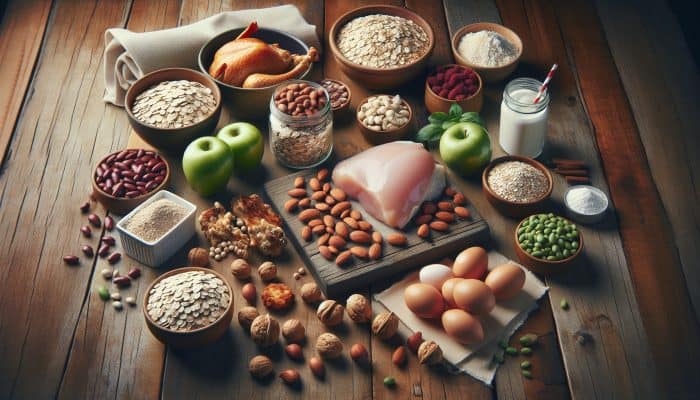
Certain foods excel at providing sustained energy due to their balanced composition of macronutrients and micronutrients. Foods such as whole grains, nuts, seeds, legumes, and lean proteins are ideal for maintaining energy throughout the day. These foods release energy gradually, preventing the rapid spikes and subsequent crashes associated with processed sugars.
- Oats: An excellent source of complex carbohydrates that offer long-lasting energy.
- Nuts: Rich in healthy fats and protein, providing a satisfying and energising snack.
- Lean Proteins: Essential for muscle repair and promoting feelings of fullness, aiding in sustained energy.
- Legumes: Offer both fibre and protein, crucial for enduring energy levels.
Incorporating these foods into meals and snacks can greatly enhance energy levels, particularly for those who are physically active. For example, starting the day with a bowl of porridge topped with nuts and fruit can provide lasting energy, while snacking on a handful of almonds or a protein bar can effectively bridge the energy gap between meals.
How Does Hydration Affect Energy Levels Positively?
Hydration plays a vital role in sustaining energy levels; even mild dehydration can lead to fatigue and decreased cognitive function. Water is essential for many bodily functions, including nutrient transport, temperature regulation, and metabolic processes. It is generally recommended that individuals aim for 1.5-2 litres of water daily, adjusting intake based on exercise levels and environmental conditions.
To enhance hydration, individuals should include foods with high water content, such as cucumbers, watermelon, and oranges, in their diets. Furthermore, drinking water before, during, and after physical activities is essential for maintaining optimal performance and energy levels. Monitoring hydration status through urine colour can serve as a straightforward method to ensure adequate fluid intake.
Can Nutritional Supplements Effectively Enhance Daily Energy Levels?
Nutritional supplements can play a significant role in boosting energy levels, especially when dietary intake falls short. Vitamins and minerals like B vitamins, vitamin D, iron, and magnesium are crucial for energy production and metabolic processes. For example, vitamin B12 is vital for red blood cell formation and energy metabolism, while magnesium is essential for muscle function and energy production.
Individuals should approach supplementation mindfully, as excessive intake of certain vitamins and minerals can lead to adverse effects. Consulting a healthcare professional before beginning any supplement regimen is advisable, particularly for those with underlying health conditions. Combining nutrient-dense foods with supplements can provide a holistic approach to maintaining energy levels and overall health.
The Influence of Diet on Daily Energy Levels
How Does a Balanced Diet Contribute to Elevated Energy Levels?
A balanced diet is fundamental for sustaining energy levels, supplying the body with all the nutrients necessary for optimal functioning. Each food group contributes uniquely to energy production and the maintenance of physiological processes. For example, carbohydrates are the primary energy source, proteins are essential for tissue repair and growth, and fats provide concentrated energy that supports various bodily functions.
Incorporating a variety of these food groups throughout the day helps prevent energy dips and stabilises blood sugar levels. For instance, a well-balanced meal consisting of whole-grain pasta, a lean protein source, and a colourful selection of vegetables can provide sustained energy for several hours. Conversely, a meal lacking variety may lead to fatigue. Prioritising a balanced diet is crucial for ensuring stable energy levels and supporting overall health.
What Are the Consequences of Excessive Sugar Intake on Energy Levels?
High sugar consumption can lead to rapid energy spikes followed by significant crashes, leaving individuals feeling lethargic and fatigued. Foods high in refined sugars can cause blood sugar fluctuations, negatively impacting mood and cognitive function. To maintain stable energy levels, it is essential to manage sugar intake and opt for complex carbohydrates over simple sugars.
For instance, rather than reaching for sugary snacks like chocolate bars, it is wiser to choose whole foods such as fruit or nuts, which provide sustained energy without the associated crash. Practicing mindfulness when consuming sugary foods and balancing them with protein and fibre can help mitigate their negative effects on energy levels.
What Role Does Fibre Play in Energy Regulation?
Fibre plays a crucial role in regulating energy by stabilising blood sugar levels and promoting digestive health. Foods rich in fibre, such as whole grains, fruits, vegetables, and legumes, slow the absorption of sugar into the bloodstream, preventing sudden spikes in energy. This gradual release of energy helps individuals avoid the crashes often associated with high-sugar diets.
Incorporating more fibre-rich foods into meals can enhance feelings of fullness and contribute to overall energy levels. For example, enjoying a bowl of oatmeal topped with berries and nuts not only provides a nutritious breakfast but also promotes steady energy throughout the morning. Striving for at least 25 grams of fibre daily can significantly improve energy regulation and digestive health.
The Interconnection Between Nutrition and Physical Activity
How Does Regular Exercise Affect Energy Requirements?
Engaging in consistent physical activity increases energy requirements, necessitating adjustments in nutritional intake to maintain optimal performance. Individuals who exercise regularly must ensure their diets align with their energy needs. The type and intensity of exercise dictate specific nutritional requirements; for example, endurance athletes may need a higher carbohydrate intake to effectively fuel their activities.
Furthermore, post-exercise nutrition is critical for recovery. Consuming a combination of carbohydrates and proteins shortly after exercise can replenish glycogen stores and support muscle repair. For instance, a smoothie made with banana, spinach, and a protein source like Greek yogurt serves as an effective post-workout recovery meal. Tailoring nutrition to exercise routines helps individuals maintain energy and enhance overall performance.
What Are the Best Nutritional Practices for Pre- and Post-Workout Nutrition?
Proper nutrition before and after workouts significantly influences performance and recovery. Pre-workout meals should focus on easily digestible carbohydrates and a moderate amount of protein to effectively fuel the workout without causing discomfort. Ideal pre-workout snacks could include a banana, a slice of wholemeal toast with nut butter, or a small serving of porridge.
After exercising, the emphasis should shift to replenishing energy and promoting muscle recovery. Consuming a meal or snack rich in carbohydrates and proteins within 30 minutes of exercising optimises recovery. Options like protein shakes, grilled chicken with quinoa, or a hearty vegetable stir-fry provide the essential nutrients necessary for restoring energy and supporting muscle repair.
What Are the Benefits of Integrating Diet with Physical Activity?
Combining a nutritious diet with regular physical activity yields substantial benefits for energy levels and overall health. Engaging in exercise boosts metabolic rates, while a balanced diet supplies the fuel needed to support increased activity levels. Together, they foster improved physical and mental wellbeing.
This synergistic approach also enhances weight management and emotional health. Individuals who combine exercise with healthy eating habits often report increased energy, improved mood, and greater vitality. For instance, participating in community sports clubs or group fitness classes creates a supportive environment that encourages both dietary and physical commitments.
Identifying Common Nutritional Deficiencies in the UK
How Common Are Vitamin D Deficiencies Among the UK Population?
Vitamin D deficiency is alarmingly prevalent in the UK, particularly during winter months when sunlight exposure is limited. This deficiency can result in various health complications, including fatigue, weakened immune function, and diminished bone health. To keep vitamin D levels adequate, it is essential to incorporate dietary sources such as oily fish, fortified foods, and supplements, especially in winter when sunlight is scarce.
There is growing awareness of the importance of vitamin D, prompting initiatives aimed at improving public health. Community health programmes frequently recommend vitamin D supplements, particularly for vulnerable groups such as older adults and those with limited sun exposure. Ensuring sufficient vitamin D intake is crucial for maintaining energy levels and overall health.
What Are the Effects of Iron Deficiency on Energy Levels?
Iron deficiency represents another common nutritional challenge in the UK, often leading to anaemia, which can significantly contribute to feelings of fatigue and low energy levels. Iron is a critical component of haemoglobin, responsible for transporting oxygen throughout the bloodstream. Ensuring adequate iron intake is essential for sustaining optimal energy levels.
Dietary sources of iron include red meat, poultry, fish, lentils, beans, and fortified cereals. Pairing iron-rich foods with vitamin C sources, such as citrus fruits or bell peppers, can enhance iron absorption. Individuals should monitor their iron levels and adjust their diets accordingly, particularly athletes and those with increased dietary needs due to physical activity.
What Is the Importance of Vitamin B12 in Energy Production?
Vitamin B12 is crucial for energy production, supporting red blood cell formation and DNA synthesis. A deficiency in vitamin B12 can lead to fatigue, weakness, and neurological complications. This deficiency is especially common among individuals following a vegan or vegetarian diet, making it vital to ensure adequate B12 intake for maintaining energy levels.
Sources of vitamin B12 include animal products like meat, fish, eggs, and dairy. For those who cannot obtain enough B12 through dietary means, supplementation may be necessary. Regularly including B12-rich foods in meals can help prevent deficiency and support sustained energy throughout the day.
How Does Folate Deficiency Contribute to Fatigue and Low Energy?
Folate, also known as vitamin B9, is essential for energy metabolism and cell division. A deficiency can result in fatigue, particularly among individuals with increased nutritional requirements, such as pregnant women. Folate is critical for producing red blood cells, which transport oxygen throughout the body and directly affect energy levels.
Dietary sources of folate include leafy green vegetables, legumes, and fortified cereals. Ensuring adequate folate intake is vital for maintaining energy levels and supporting overall health. For individuals at risk of folate deficiency, particularly pregnant women, incorporating folate-rich foods and considering supplements can help promote wellbeing.
What Is the Role of Magnesium in Energy Production and Health?
Magnesium is a vital mineral that plays a significant role in energy production and muscle function. Low magnesium levels can lead to symptoms such as fatigue, muscle cramps, and general lethargy. Ensuring adequate magnesium intake is crucial for sustaining energy and preventing deficiencies.
Foods high in magnesium include leafy greens, nuts, seeds, whole grains, and legumes. Incorporating these foods into daily meals can enhance energy levels and overall health. Additionally, individuals engaging in intense physical activities may need to increase their magnesium intake to counteract losses through sweat and urine.
Research-Backed Insights on Nutrition and Daily Energy Levels
What Does Recent Research Indicate About Nutrition’s Effect on Energy Levels?
Extensive research has established a clear connection between proper nutrition and energy levels. Studies have shown that diets rich in whole foods, including fruits, vegetables, whole grains, and lean proteins, lead to better energy management and overall well-being. Nutritional interventions have been linked to improvements in mood, cognitive function, and physical performance.
Applying scientific findings to everyday life can be straightforward. Simple strategies, such as incorporating more whole foods into each meal and reducing processed food intake, can have a considerable impact on energy levels. Individuals can create meal plans that prioritise nutrient-dense foods, ensuring they effectively meet their energy needs.
How Can Increasing Dietary Fibre Contribute to Enhanced Energy Levels?
Dietary fibre plays a vital role in regulating blood sugar levels, preventing energy crashes. Research indicates that high-fibre diets can enhance feelings of fullness and promote sustained energy; fibre-rich foods also support digestive health, which is crucial for effective nutrient absorption and energy production.
To boost fibre intake, individuals can focus on integrating more whole grains, fruits, and vegetables into their diets. For example, swapping white rice for brown rice or choosing whole-grain bread can be effective steps to enhance dietary fibre. The cumulative benefits of fibre not only improve energy levels but also contribute to long-term health and wellbeing.
What Is the Role of Antioxidants in Supporting Energy Levels?
Antioxidants are compounds that counteract oxidative stress, a condition that can lead to fatigue and reduced energy. Foods rich in antioxidants, such as berries, dark chocolate, and green tea, are known to support overall health and wellness. By reducing oxidative stress, antioxidants help sustain energy and facilitate recovery from physical exertion.
Incorporating a variety of antioxidant-rich foods into daily meals can significantly enhance energy levels. A colourful plate filled with fruits and vegetables not only looks appealing but also ensures a diverse range of antioxidants. Regular consumption of these foods can help maintain energy and support overall vitality.
Exploring Nutrition’s Influence on Mental Energy
How Does Diet Impact Cognitive Function and Mental Energy Levels?
A nutritious diet is essential for supporting brain health and cognitive function, having a direct effect on mental energy. Key nutrients like omega-3 fatty acids, antioxidants, and B vitamins are crucial for preserving cognitive function and preventing mental fatigue. Diets high in processed foods may contribute to cognitive decline and reduced mental clarity.
Incorporating brain-boosting foods into daily meals can elevate focus and mental energy. Foods like fatty fish, leafy greens, and whole grains provide essential nutrients that support brain function. For instance, enjoying a salmon salad with a variety of vegetables can promote improved cognitive function and sustained mental energy throughout the day.
What Is the Connection Between Gut Health and Mental Energy?
Gut health significantly affects mental energy, a relationship often referred to as the gut-brain axis. A healthy gut microbiome can boost mood, alleviate anxiety, and enhance cognitive function. Nutritional choices that promote gut health, such as prebiotics and probiotics, can greatly influence mental energy levels.
Including fermented foods like yoghurt, kefir, and sauerkraut alongside high-fibre foods can support gut health. By fostering a healthy microbiome, individuals can experience improvements in mental clarity and energy levels. Prioritising gut-friendly foods contributes to overall health and vitality.
What Foods Are Effective for Enhancing Brain Energy and Function?
Certain foods are particularly advantageous for enhancing brain energy due to their rich nutrient profiles. Foods high in omega-3 fatty acids, antioxidants, and complex carbohydrates provide the brain with the energy it needs to function optimally. Incorporating these foods into your diet supports cognitive function and mental clarity.
- Fatty fish: Rich in omega-3 fatty acids that promote brain health.
- Nuts: Provide healthy fats and vitamin E, crucial for cognitive function.
- Berries: High in antioxidants that protect brain function and enhance memory.
- Leafy greens: Packed with essential vitamins and minerals vital for cognitive health.
Including these brain-boosting foods in daily meals can enhance mental energy and overall cognitive performance. A simple way to integrate these foods is by adding berries to breakfast cereals or including nuts in your snacks.
Adapting Nutritional Needs Across Different Age Groups
What Nutritional Changes Occur as We Age?
Nutritional requirements shift throughout life, significantly impacting energy levels and overall health. As individuals age, metabolism may slow, leading to reduced caloric needs. However, the demand for certain nutrients, such as calcium and vitamin D, often increases, as they are critical for maintaining bone health.
It is essential to adjust dietary habits with age, focusing on nutrient-dense foods instead of calorie-dense options. For example, older adults may benefit from protein-rich meals to aid muscle maintenance and ensure sufficient intake of vitamins and minerals. Customising diets to meet these evolving needs can help sustain energy levels and promote overall wellbeing.
How Can Children Achieve High Energy Levels Through Balanced Nutrition?
Children require a well-balanced diet rich in essential nutrients to support their growth and maintain high energy levels. Prioritising whole foods like fruits, vegetables, whole grains, and lean proteins is vital for their developing bodies. Providing regular meals and healthy snacks throughout the day is essential for sustaining their energy levels.
For instance, preparing a school lunch that includes whole-grain sandwiches, fruit, and a protein source can ensure children have the energy needed for learning and play. Encouraging healthy eating habits from an early age fosters lifelong patterns that support sustained energy and overall health.
What Nutritional Strategies Should Seniors Follow to Maintain Optimal Energy Levels?
Seniors have unique nutritional needs that require special consideration to sustain energy levels and overall health. As their metabolism slows, it becomes vital to focus on nutrient-dense foods while managing caloric intake. Incorporating a variety of fruits, vegetables, whole grains, lean proteins, and healthy fats into meals is essential for maintaining energy and vitality.
Furthermore, seniors should be attentive to their hydration status, as the sensation of thirst may diminish with age. Including nutritious snacks like yoghurt, smoothies, and vegetable soup can enhance hydration and nutrient intake. Customising dietary strategies to meet older adults’ needs supports healthy aging and sustained energy levels.
Effective Strategies for Boosting Daily Energy Levels
How Can You Plan Your Meals to Optimise Energy Levels?
Meal planning is an effective approach to ensuring adequate nutrient intake and maintaining sustained energy levels. By preparing meals in advance, individuals can avoid unhealthy last-minute choices and ensure a diverse array of nutrients is included. Consider developing a weekly meal plan that features a balanced mix of carbohydrates, proteins, and healthy fats.
Effective meal planning strategies include:
- Batch-cooking meals to save time and ensure healthy options are readily available.
- Incorporating a spectrum of colours and textures to enhance nutrient diversity.
- Planning for nutrient-dense snacks, such as fruits and nuts.
- Creating a shopping list based on your meal plan to minimise impulse purchases.
By applying these strategies, individuals can optimise their meals for energy and ensure they meet their nutritional requirements throughout the week, ultimately leading to improved energy levels and health.
What Role Does Breakfast Play in Establishing Daily Energy Levels?
Consuming a nutritious breakfast is crucial for establishing energy levels throughout the day. A well-balanced breakfast provides essential nutrients and energy to kickstart metabolism and maintain focus during the morning hours. Including a mix of carbohydrates, protein, and healthy fats can enhance satiety and help prevent mid-morning energy dips.
For example, a breakfast consisting of whole-grain toast topped with avocado and poached eggs offers complex carbohydrates, protein, and healthy fats, promoting sustained energy. Research shows that individuals who regularly consume breakfast tend to demonstrate better attention and overall performance throughout the day. Prioritising breakfast can significantly impact daily energy levels and productivity.
What Are Simple Strategies for Boosting Energy Through Snacks?
Nutritious snacks can provide a quick energy boost, making it essential to select options that are both healthy and energising. Choosing snacks that balance carbohydrates, protein, and healthy fats can help sustain energy between meals. Some simple snack ideas include:
- Greek yoghurt with fruit: A protein-rich option that delivers natural sweetness and energy.
- Nuts and seeds: Loaded with healthy fats and protein for increased satiety and energy.
- Vegetable sticks with hummus: A nutritious and crunchy snack that provides fibre.
- Whole-grain rice cakes with nut butter: A satisfying and energising treat.
Incorporating these snack options into your daily routine can help maintain energy levels and prevent fatigue, ensuring you remain focused and productive throughout the day.
Common Questions About Nutrition and Energy Levels
What Are Macronutrients and Why Are They Essential for Energy?
Macronutrients are nutrients required in larger amounts, including carbohydrates, proteins, and fats, which are pivotal for energy production and various bodily functions.
How Can I Improve My Hydration Levels for Better Energy?
Enhance hydration by consistently drinking water, consuming water-rich foods, and monitoring urine colour to ensure adequate fluid intake.
What Foods Provide Sustained Energy Throughout the Day?
Foods such as whole grains, nuts, fruits, and lean proteins offer sustained energy by delivering complex carbohydrates and essential nutrients.
How Does Sugar Consumption Impact Energy Levels?
High sugar intake can cause energy spikes followed by crashes; therefore, managing sugar consumption is vital for maintaining stable energy levels.
What Role Does Vitamin D Play in Energy Levels and Health?
Vitamin D is essential for energy production and immune function; deficiencies can result in fatigue and decreased energy levels.
How Much Water Should I Aim to Drink Daily for Optimal Energy?
It is advisable to consume at least 2 litres of water daily, adjusting for activity levels and environmental conditions.
Can Nutritional Supplements Effectively Enhance My Energy Levels?
Supplements such as B vitamins and iron can support energy levels, but it is crucial to consult a healthcare professional before starting any regimen.
What Are the Optimal Times to Eat for Sustained Energy Throughout the Day?
Eating balanced meals and snacks every 3-4 hours can help maintain steady energy levels throughout the day.
How Does Exercise Influence My Energy Needs and Nutritional Requirements?
Regular exercise increases energy requirements, necessitating appropriate dietary adjustments to uphold optimal performance and recovery.
What Are the Effects of a High-Fibre Diet on Energy Levels?
A high-fibre diet helps regulate blood sugar levels, preventing energy crashes and promoting sustained energy throughout the day.
Connect with us on Facebook for More Insights!
The Article Nutrition and Daily Energy Levels: Boost Your Vitality Was First Published On https://acupuncture-frome.co.uk
The Article Boost Your Vitality: Nutrition for Daily Energy Levels Was Found On https://limitsofstrategy.com