What Common Issues Do Homeowners Observe With Their Porcelain Floors?
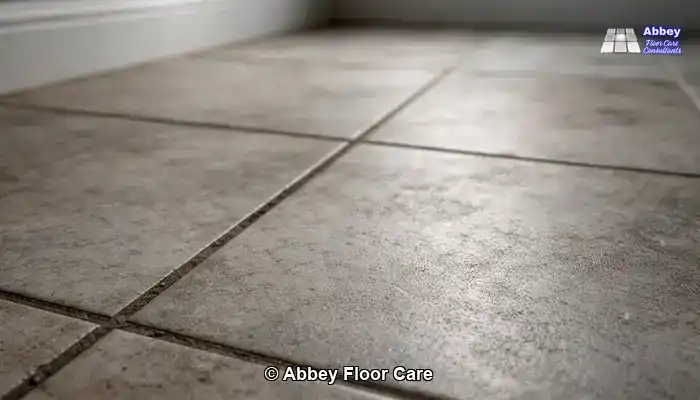
Many homeowners in Surrey frequently express concern about their porcelain tiles appearing dull or dirty, despite diligent cleaning efforts. This issue is especially noticeable on textured surfaces, where dirt tends to accumulate in the intricate patterns of the tiles rather than resting on the surface. This enduring dullness can be incredibly disheartening, as it undermines the overall visual appeal of your flooring and diminishes the welcoming atmosphere of your home. To effectively address this problem, understanding the root causes is essential, as it allows for targeted cleaning solutions that can restore the tiles’ former vibrancy.
Another prevalent issue homeowners face is the formation of a grey film that can appear after mopping. This phenomenon is typically the result of residues like grout haze or detergent buildup, rather than actual stains penetrating the tile itself. Recognising this distinction is crucial for effective cleaning, as it directly impacts the cleaning methods and solutions you decide to use. By employing appropriate cleaning strategies tailored to the specific causes of the grey film, homeowners can achieve more satisfying results and restore the tiles’ aesthetic.
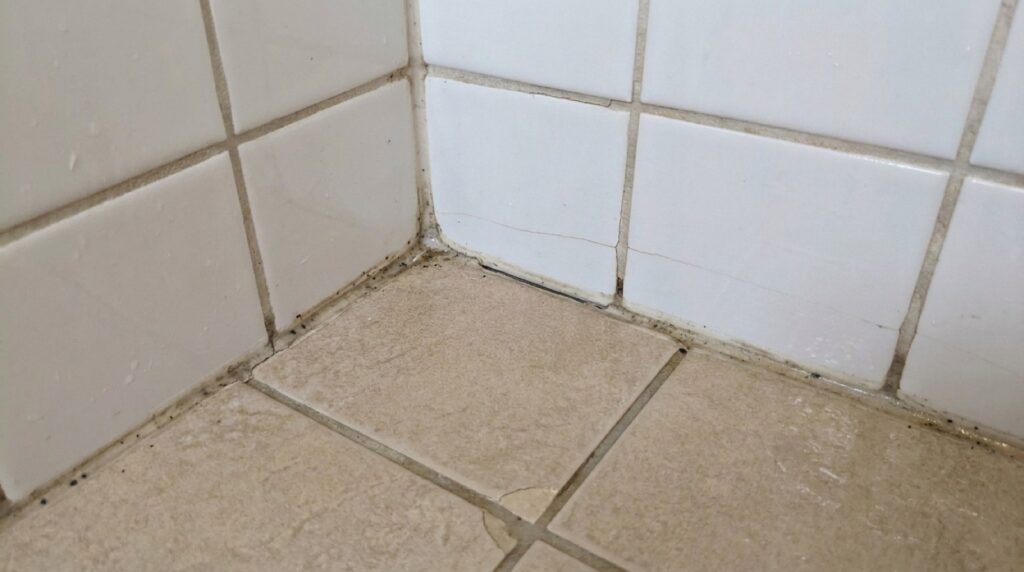
Over time, the grout surrounding porcelain tiles tends to darken and become uneven, while the tiles themselves often stay relatively unaffected. This occurs because grout is much more absorbent than the non-porous porcelain, resulting in a stark visual contrast that detracts from the overall aesthetics of your flooring. Keeping grout in good condition is vital for maintaining a cohesive appearance, and regular cleaning and maintenance can help mitigate the darkening effects and prolong the life of your flooring.
Homeowners with polished porcelain tiles may notice faint swirls and a reduction in clarity. These imperfections usually develop from minor scuffs and scratches that occur on the factory finish rather than from deep-rooted damage to the tiles themselves. Understanding this can empower homeowners to take preventive measures, such as regular maintenance and careful cleaning techniques, to preserve the beauty of their polished surfaces and prolong their longevity.
Why Does Porcelain Tile React Differently Compared to the Surrounding Grout?

Porcelain tiles are fully vitrified, giving them exceptional resistance to absorption. Most surface issues manifest as chemical films rather than penetrating the body of the tile itself. This unique characteristic is a primary reason why porcelain is a top choice for flooring in many homes. The non-porous nature of porcelain ensures that it remains largely unaffected by spills and stains, making it easier to maintain and clean when compared to other materials.
In contrast, cement-based grout is inherently porous, allowing contaminants to seep in easily, leading to the gradual darkening of the grout over time. This property is precisely why grout often appears more soiled than the tiles, creating an unattractive contrast that can diminish the overall look of your flooring. Regular maintenance, including sealing and cleaning, is essential to minimize this effect and keep your flooring looking its best.
In numerous kitchens and bathrooms throughout Surrey, hard water can result in mineral buildup that sticks to surfaces, creating chalky limescale deposits. If left unchecked, these deposits can become increasingly difficult to remove over time, making it essential to address them promptly. Understanding the impact of hard water on your flooring is crucial for developing a cleaning routine that prevents mineral deposits and maintains the beauty of your porcelain tiles.
Since porcelain rarely absorbs stains, using harsh cleaners to eliminate these marks can inadvertently damage the surrounding grout and adjacent joints instead of resolving the underlying issues. Therefore, it is critical to employ proper cleaning techniques and products specifically designed for porcelain to avoid further damage and ensure the longevity of your flooring.
When Is a Professional Deep Clean Recommended—and What Limitations Apply?
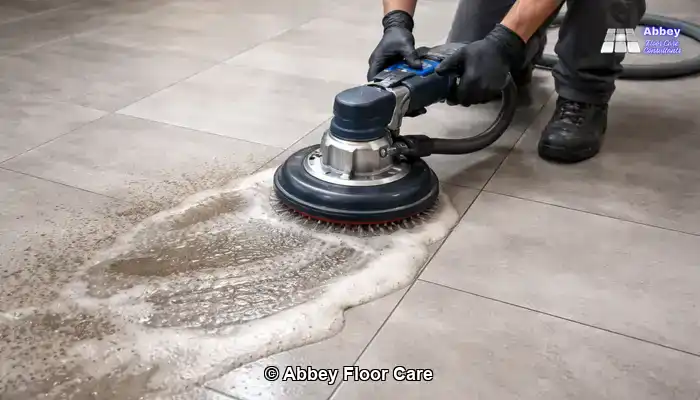
When residues, haze, or soil accumulate on your flooring, it becomes necessary to perform a controlled chemical–mechanical deep clean. This method employs professional-grade products and agitation techniques specifically designed to break up unwanted films while ensuring the protection of your porcelain tiles. This process is essential for restoring the beauty of your flooring and extending its lifespan.
Alkaline solutions are particularly effective for breaking down grease and traffic soil, as they successfully eliminate organic buildup without causing damage to the tile material. This method is vital for maintaining the durability and appearance of your flooring, as it addresses common contaminants that can mar the surface over time.
In a subsequent stage, acidic solutions are applied to dissolve mineral films and grout residues, executed carefully as an acid wash where deemed safe. This targeted approach ensures optimal cleaning without compromising the integrity of the tile surface, allowing homeowners to enjoy a pristine appearance without risking damage to their flooring.
After agitation, it is crucial to remove the slurry using slurry extraction thoroughly; otherwise, residues can redeposit on the floor, leading to an almost immediate return of the haze. Proper extraction is essential for achieving long-lasting results and maintaining the pristine appearance of your flooring, ensuring that the effort put into cleaning does not go to waste.
However, even the most thorough deep clean cannot reverse bleached grout or wear within the joints, as these underlying issues reside within the grout material itself rather than on the surface of the tile. Understanding these limitations is critical for homeowners who may expect their flooring to return to its original state after cleaning.
When Is Grout Recolouring or Joint Renovation the Best Solution?
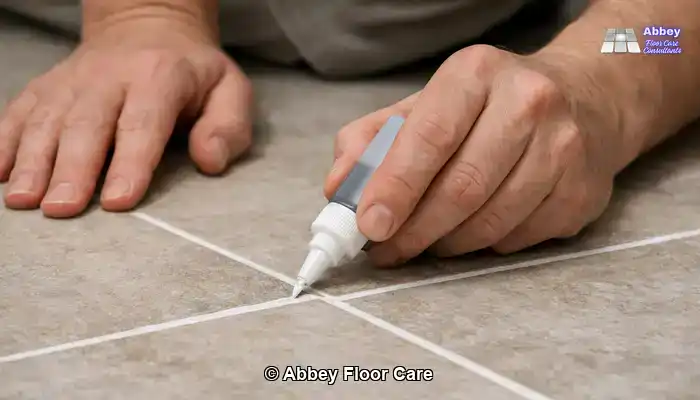
When grout exhibits signs of fading, staining, or uneven coloration, the most effective cosmetic enhancement can typically be achieved through grout recolouring, applied after thorough surface preparation. This process provides a color-stable coating across the joint, restoring a uniform shade and offering protection against future soiling. Homeowners can enjoy an improved aesthetic without the need for extensive renovation.
While recolouring enhances visual appeal, it does not physically strengthen weakened joints, as the underlying grout structure remains unchanged. This distinction is essential for homeowners to consider when contemplating this option, ensuring they make informed decisions about the longevity and integrity of their flooring.
In cases where joints are cracked, missing, or contaminated, prioritising local repair or replacement is essential rather than attempting to disguise the issue with colourants. Addressing structural problems directly is vital for maintaining the integrity and longevity of your flooring, ensuring that any cosmetic improvements do not mask deeper issues.
When Should You Consider Burnishing a Polished Porcelain Floor?
For polished installations, burnishing can be an effective technique utilised to refine the upper surface, employing ultra-fine abrasives to restore clarity in the polished porcelain. This method proves particularly advantageous for revitalising the visual appeal of your flooring, allowing for a fresh and polished look.
The burnishing process works by smoothing out microscratches with a high-quality burnishing pad, rather than grinding away material, which is common in natural stone treatments. This approach preserves the integrity of the tile while enhancing its overall visual appeal, ensuring that the tiles remain in excellent condition.
While burnishing can significantly improve the reflection and uniformity of the tile surface, it cannot recreate a damaged factory finish if the original surface has already been compromised. It is crucial for homeowners to recognise this limitation when considering burnishing as a solution for their flooring care.
Before recommending any burnishing work, we conduct small test areas to determine whether this technique can provide sufficient improvement to justify the investment. This careful approach ensures that homeowners make well-informed decisions regarding their flooring care, minimising the risk of dissatisfaction.
When Is Tile Replacement the Only Viable Solution for Damaged Tiles?
When tiles become chipped or cracked, the only effective solution is replacement, provided that spare tiles are available. This method guarantees a seamless restoration of your flooring’s appearance and functionality, ensuring that your investment remains intact.
Due to the unique properties of porcelain, the bodies of these tiles cannot be repaired convincingly; any filler or coating tends to rest on the surface and contrast with the surrounding porcelain tiles. Consequently, replacement is often the most aesthetically pleasing option to maintain the overall look of your flooring, as it restores uniformity and integrity.
The replacement process necessitates careful handling to avoid damaging adjacent tiles and to protect heating systems located beneath the floor, such as underfloor heating (UFH). A thoughtful approach during this procedure is essential to ensure a successful outcome and to maintain the functionality of your flooring.
This decision is always guided by a thorough inspection, as the feasibility of removal depends on factors such as adhesive strength, tile availability, and the condition of the surrounding grout. A meticulous assessment is paramount for ensuring the best possible outcome for your flooring, allowing homeowners to make informed decisions.
Where Does Sealing Fit into Porcelain Care?
Most porcelain tiles do not require sealing due to their non-porous nature. Applying a sealant may leave a film on the surface of the porcelain tiles, potentially counterproductive to their maintenance. Understanding the specific properties of your tiles is essential for effective care and upkeep.
However, exceptions do exist, particularly with micro-porous porcelain, where targeted sealing can help slow down staining and significantly ease maintenance efforts. This customised approach is vital for preserving the beauty and longevity of your flooring, ensuring that it remains in excellent condition.
Textured porcelain may occasionally require additional protection in high-traffic areas, but this must be evaluated on a case-by-case basis using porosity testing. Each situation is unique, and careful evaluation is critical to effective upkeep and maintenance.
When sealing is determined to be appropriate, an impregnating sealer is generally preferred, as it provides protection without altering the appearance of the floor. This allows the natural elegance of the porcelain to shine through while still providing essential safeguarding against future damage.
How Does a Specialist Evaluate Your Floor Before Suggesting Work?
The initial evaluation begins with a thorough understanding of the tile type, installation age, and household usage patterns. This information is instrumental in tailoring the most suitable approach for the specific porcelain tiles in question, ensuring that the treatment aligns with both the material and the environment in which it is used.
We then perform a meticulous inspection of the joints, as the long-term visual appeal of the floor often depends more on the condition of the grout than on the tiles themselves. This comprehensive examination is crucial for a complete and accurate assessment of the flooring’s needs and for developing an effective maintenance strategy.
Test patches allow us to observe how residues respond and confirm whether an alkaline cleaner or an acidic stage is necessary, as well as identify areas where neither is safe to use. This careful approach ensures effective cleaning without risking damage to the tiles, maintaining their integrity and appearance.
In instances where gloss recovery is a consideration, controlled trials with a burnishing pad help us gauge what level of improvement is realistic before committing to any treatments. This practice guarantees that homeowners make informed decisions about their flooring care and can set realistic expectations for the results.
What Guarantees Cannot Be Made Without Assessing Your Floor?
I will never promise a “like-new” outcome on grout, as the final results depend significantly on the original grout condition, rather than solely on the cleaning process employed. Understanding this is vital for setting realistic expectations among homeowners regarding the effectiveness of cleaning services.
I will not automatically recommend sealing, as unnecessary coatings can lead to sealer residue that is challenging and costly to remove. This cautious approach helps prevent additional complications for homeowners and protects their investment in flooring care.
I cannot assure that burnishing will restore the original finish, as this process only refines the existing factory finish and cannot rebuild what has been lost. Setting realistic expectations is essential for ensuring homeowner satisfaction and understanding the limitations of restoration services.
Furthermore, I will not provide cost estimates without conducting a thorough inspection, as each decision depends on materials, types of contamination, and the condition of the porcelain tiles. A meticulous assessment is crucial for delivering accurate quotations and ensuring that homeowners are well-informed about their options.
Essential Maintenance Tips to Support Your Restoration Efforts
Regular cleaning should involve a pH-neutral cleaner to prevent residue buildup and protect the grout joints from damage caused by harsh chemicals. This simple yet effective practice helps extend the life of your flooring and maintain its visual appeal, ensuring that your tiles remain in excellent condition.
Avoid using steam, bleach, or heavy detergents, as these substances can accelerate fading and weaken the grout, even if the tiles appear unaffected. Protecting your grout is essential for maintaining the floor’s overall integrity and ensuring its long-lasting beauty. Regular maintenance can help mitigate these risks and safeguard your investment.
In homes with hard water, routinely wiping down wet areas can aid in preventing limescale deposits from hardening on surfaces. This proactive approach can significantly ease maintenance efforts and prolong the life of your flooring, as it reduces the buildup of mineral deposits that can mar the surface.
If soils begin to reappear quickly after cleaning, it often indicates that the floor requires professional slurry extraction rather than stronger household products. Recognising this need is key to maintaining the beauty of your flooring and ensuring its durability over time, as addressing the root cause of the issue is critical.
What Are the Next Steps If You Are Unsure About Requiring a Specialist?
If you are uncertain whether what you are observing is residue, grout aging, or surface scuffing, the most prudent course of action is to engage in a calm, inspection-led conversation with a porcelain specialist. This dialogue can clarify your options and provide insights into the best way forward for your flooring care.
Our role is to inform you about what is suitable for your floor, what cannot be achieved, and how an assessment can protect your home. This information is crucial for making informed decisions regarding your flooring care and ensuring that your investment is well-maintained over time.
If you would like a professional evaluation of your porcelain floor in Surrey, I am more than willing to arrange a straightforward assessment to clarify what is realistic and what is not. Taking this step can significantly help you maintain your flooring effectively and preserve its beauty for years to come.
The Article: Do You Really Need a Specialist for Porcelain Tile Restoration in Surrey? First found on https://www.abbeyfloorcare.co.uk
The Article Porcelain Tile Restoration in Surrey: Is a Specialist Necessary? appeared first on https://fabritec.org
The Article Porcelain Tile Restoration: Do You Need a Specialist in Surrey? Was Found On https://limitsofstrategy.com
References:
https://limitsofstrategy.com/porcelain-tile-restoration-do-you-need-a-specialist-in-surrey-3/