Uncover the Key Reasons Why Cats Are Reluctant to Engage with Water
Explore the Evolutionary Roots of Felines’ Dislike for Water
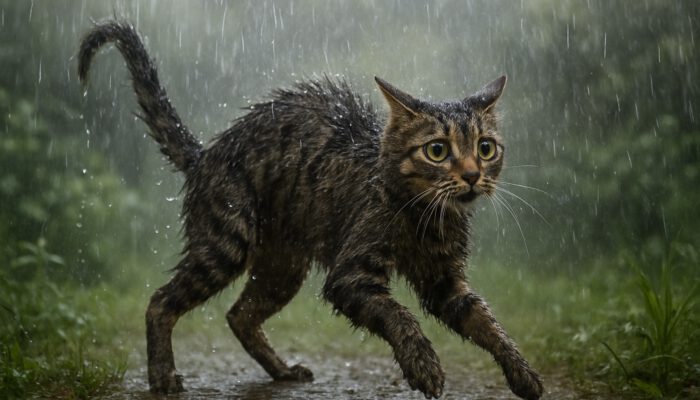
Cats possess a strong instinctual aversion to water, a behaviour deeply rooted in evolutionary factors that have been vital for their survival throughout history. Evolving predominantly in dry habitats, these felines have developed characteristics that minimise their exposure to water, which risks compromising the insulating properties of their fur, thus heightening their vulnerability to predators. This adaptation is reflected in various historical traits, including the minimal webbing between their toes, the presence of dense fur that repels moisture, and a predilection for arid environments conducive to efficient hunting without the interference of water. By staying dry, cats effectively regulate their body temperature and enhance their hunting efficiency, both critical for thriving in their natural habitats.
Which Cat Breeds Are Notably More Comfortable with Water?
Although the majority of cats display a pronounced aversion to water, certain breeds stand out as exceptions due to their distinctive genetic traits that allow for greater tolerance of water. Breeds like the Turkish Van are particularly famous for their affinity for water, often engaging in playful splashes or even swimming. This unique acceptance of water can be attributed to selective breeding practices or ancestral experiences in aquatic environments throughout their evolutionary journey. These exceptions underscore the diversity in feline behaviour and illuminate the complex interplay between genetics and environmental influences in shaping individual responses to water.
In What Ways Do Cats Physically Respond When Encountering Water?
When confronted with water, cats exhibit a variety of physical responses, predominantly driven by their acute sensory perceptions. The sensation of wetness often induces significant discomfort, triggering instinctive behaviours such as rapid shaking, seeking refuge, or displaying aggressive reactions. This discomfort arises from their sensitive nerve endings, which react unfavourably to moisture on their skin. The impact on their daily routines is substantial; numerous cats instinctively avoid areas where water is likely to be present, opting for dry spaces that provide a sense of security and comfort. Consequently, their grooming habits often intensify following any exposure to moisture, as they instinctively strive to restore their fur to its dry, insulated condition.
How Does Domestication Influence Cats’ Dislike of Water?
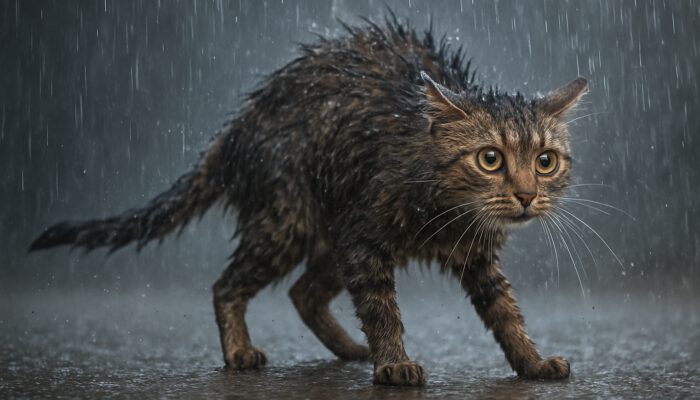
The process of domestication has significantly affected the water aversion seen in many contemporary cats. While domesticated felines often coexist closely with humans, leading to behavioural changes via selective breeding, many of their wild instincts continue to persist. This contrast is particularly noticeable in certain cat lines that may exhibit less fear of water due to positive early experiences, while others retain their ancestral aversion. Living indoors complicates this relationship further; cats with limited exposure to water may develop heightened fear responses, whereas those with regular interactions may adapt more favourably over generations. Such varied experiences underscore the diverse impacts of domestication on feline instincts and behaviours.
What Psychological Factors Contribute to Cats’ Dislike of Water?
The aversion that cats display towards water is influenced by both physical and significant psychological components. Fear conditioning often arises from early negative experiences with water, leading to lasting anxiety responses. This conditioning shapes their behavioural patterns, where even minimal exposure to water can incite panic or distress. However, with careful training and gradual desensitisation, it is possible to modify these reactions. Techniques may include introducing water in playful, low-stress scenarios, gradually reshaping a cat’s perception of water and helping to alleviate their aversion. Addressing these psychological factors is crucial for any owner wishing to cultivate a more relaxed relationship between their feline companion and water.
What Drives Cats’ Strong Dislike for Water?
Delve into the Sensory Experiences Behind Cats’ Water Aversion
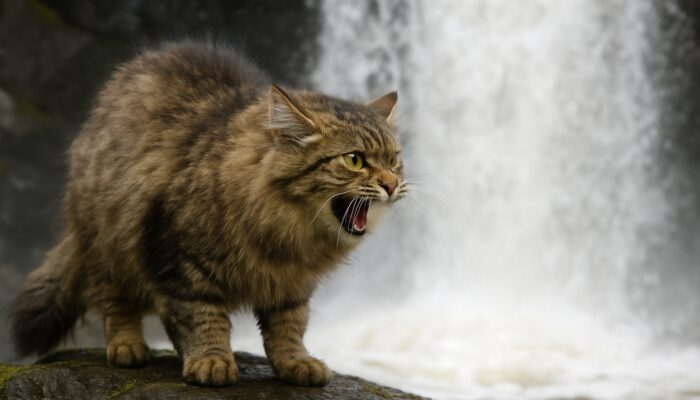
The sensory experience linked with water can be particularly uncomfortable for cats, greatly contributing to their widespread aversion. Cats possess highly sensitive skin and nerve endings, rendering the sensation of water on their bodies especially unpleasant. This discomfort can disrupt their daily habits, prompting them to avoid situations that might lead to getting wet. For example, a cat may choose to avoid certain toys if they are likely to become soaked. Understanding these sensory factors is essential for cat owners; it empowers them to create environments that honour their pets’ preferences, fostering positive interactions without inflicting unnecessary distress.
In What Ways Does Wet Fur Impact Cats’ Health?
Wet fur presents several health risks for cats, which motivates them to instinctively avoid water whenever possible. Once their coats become soaked, it can lead to chilling, as the insulation properties of their fur become compromised. Moreover, prolonged exposure to moisture can cause skin issues, including infections or irritations, due to the fur’s inability to dry properly. Cats are acutely aware of the need to maintain their body temperature; therefore, avoiding wet conditions is a crucial behaviour that helps prevent possible health complications. Observing these instinctual practices provides valuable insights into how to better care for feline companions, ensuring their environments are safe and conducive to their well-being.
What Behavioural Indicators Reveal Cats’ Aversion to Water?
Cats display a myriad of behavioural signs when confronted with water, reflecting their deeply ingrained instincts. Common reactions include hissing, growling, or fleeing upon seeing or hearing water. These responses stem from their evolutionary history, where encounters with water-related dangers posed threats to their survival. Such behaviours serve as effective warnings against perceived threats, reinforcing their aversion to water. Understanding these instinctual reactions is crucial for owners striving to create a harmonious living environment for their cats. Recognising these signals aids in managing situations where water is unavoidable, ensuring that cats feel secure and less threatened.
Examine the Evolutionary Background of Cats’ Dislike for Water
The evolutionary history of cats suggests that their ancestors thrived in arid habitats where encounters with water frequently posed dangers. The necessity to avoid drowning or hypothermia led to the establishment of robust instincts that deter contact with water. This historical context significantly shapes modern cats’ behaviour, revealing a profound legacy of survival instincts that continue to influence their preferences today. Understanding these evolutionary roots offers valuable insights into why most cats exhibit a dislike for water, establishing foundational knowledge for cat owners. This awareness can help owners create environments that align with their cats’ instincts, promoting overall comfort and health.
In What Ways Do Breed and Genetics Impact Cats’ Dislike of Water?
Genetic factors play a critical role in the varying degrees of water aversion observed across different cat breeds. While most cats inherently dislike water, specific breeds like the Bengal and Turkish Van tend to be more relaxed around it, often enjoying play or even swimming. These distinctions arise from their genetic backgrounds, which have shaped their interactions with water over generations. Understanding these breed-specific traits helps owners tailor their expectations and interactions with their pets. For instance, knowing that some breeds may tolerate water better allows owners to approach bathing or water play with a different mindset, focusing on positive experiences rather than forcing compliance.
Gain Expert Insights into Cats’ Dislike for Water
What Changes in Cats’ Daily Routines Are Influenced by Water Exposure?
Cats’ daily routines can experience substantial changes when they encounter water. Many will consciously adjust their eating or play habits to avoid wet areas, reflecting their strong aversion to them. For instance, a cat may choose to steer clear of damp floors or may relocate its feeding area away from places prone to spills. To minimise stress, owners can take actionable steps, such as providing designated dry play areas, using waterproof mats, and ensuring that water bowls are placed in accessible, dry locations. Real-world examples highlight the importance of recognising these behavioural shifts; understanding these preferences fosters a healthier environment where cats feel secure and less anxious.
What Coping Mechanisms Do Cats Develop in Response to Water Exposure?
In their efforts to cope with their aversion to water, cats develop several fascinating strategies. Following any exposure to water, cats typically engage in excessive grooming to restore comfort and eliminate the discomfort associated with wet fur. This behaviour not only assists in drying their coats but also serves as a self-soothing mechanism. Owners can support these natural behaviours by providing various coping strategies. For instance, they might consider offering dry-cleaning options, such as pet wipes or brushes designed to maintain fur health without water. Additionally, ensuring that grooming sessions are regular can effectively help cats manage their discomfort.
- Provide dry-cleaning tools, such as wipes or brushes.
- Establish a routine for regular grooming sessions.
- Create a calm environment for post-water exposure.
- Monitor and reward positive interactions with water.
What Long-Term Behavioural Adaptations May Occur in Cats?
Over time, cats may display adaptations to their water aversion, becoming increasingly cautious around moist environments. These adaptations can manifest in their overall activity levels and interactions with their surroundings. Experts indicate that this heightened caution may lead to a more sedentary lifestyle, as cats tend to avoid areas with water, potentially affecting their health. For example, a cat that once relished exploring the outdoors may become hesitant to venture out during rainy seasons. Recognising these adaptations enables owners to create supportive environments that encourage safe exploration while minimising stress. By understanding the long-term implications of their cats’ behaviour, owners can help foster a balanced, healthy lifestyle that respects their cats’ preferences.
What Strategies Can Aid in Desensitising Cats to Water Exposure?
Experts advocate several effective strategies to assist in desensitising cats to water, gradually alleviating their aversion. A key approach involves introducing water in a controlled, low-stress manner, such as with wet toys or shallow baths. Owners can enhance these experiences by incorporating rewards like treats or affection during and after exposure. It is crucial to monitor for signs of distress throughout this process and adapt the approach based on the cat’s reactions. Gradual desensitisation not only improves comfort but also builds trust between the cat and owner, fostering a more harmonious relationship. By employing these strategies, owners can help their cats cultivate a more tolerant view of water, enriching their lives while respecting their instincts.
In What Ways Does Cats’ Water Aversion Impact Their Overall Behaviour?
What Research Supports the Reasons Behind Cats’ Dislike of Water?
Scientific investigations have explored the neurological responses of cats to water, revealing substantial insights into their aversion. Research indicates that the sensation of water triggers innate fear responses linked to survival instincts developed over countless generations. This aversion is not merely a quirky trait but a deeply ingrained aspect of their evolutionary history. To effectively manage this trait, owners can incorporate findings from these studies into their care practices. For instance, understanding that cats are highly sensitive to moisture can inform decisions regarding bathing and grooming, leading to strategies that prioritise their comfort while minimising distress.
How Do Genetic Factors Shape Cats’ Attitudes Toward Water?
Genetic influences play a pivotal role in shaping a cat’s attitude toward water, with inherited traits significantly affecting their tolerance levels. Experts highlight how selective breeding has impacted various breeds, resulting in notable differences in water aversion. For example, while the Turkish Van enjoys water play, most domestic cats instinctively dislike it. Observations from controlled studies illustrate how these genetic predispositions manifest in behaviour, providing valuable insights for owners. Recognising these breed-specific tendencies aids in shaping expectations and interactions, empowering owners to approach water-related situations with awareness and sensitivity to their cat’s unique characteristics.
What Health Risks Are Associated with Cats Getting Wet?
Prolonged exposure to water can adversely affect a cat’s well-being, a concern raised by experts in feline health. Wet fur not only hampers a cat’s ability to regulate its body temperature but can also lead to skin irritations or infections. Preventative measures become essential; owners should prioritise keeping their cats dry and comfortable, particularly in humid or wet environments. This proactive approach involves maintaining a clean living space and minimising instances where their cats may encounter excess moisture. By considering these expert recommendations, owners can safeguard their cats’ health and ensure a happier, more comfortable life.
What Are the Exceptions to Cats’ General Dislike of Water?
In What Scenarios Might Cats’ Aversion to Water Be Temporarily Overridden?
While most cats possess a natural dislike for water, there are specific circumstances where their aversion might be temporarily overridden. Instances of play, particularly when water is introduced in a non-threatening manner, can spark a cat’s curiosity and encourage interaction. For example, cats may find the splashing of water from a tap intriguing and enticing. These moments typically occur when water exposure is presented as a playful opportunity rather than a distressing encounter. Examining these situations allows owners to harness positive experiences, gradually fostering a different perspective toward water while respecting their cat’s instincts.
How Do Individual Personality Traits Impact Cats’ Interactions with Water?
Individual personality traits significantly shape how cats respond to water. Just as humans exhibit varying comfort levels in diverse situations, cats showcase unique temperaments that govern their reactions. For instance, a more adventurous cat may approach water with curiosity, while a timid feline might retreat in fear. Recognising these differences is essential for owners, as it can guide interactions and facilitate the introduction of water in a manner that aligns with their cat’s personality. Tailoring approaches to these traits fosters a more positive environment where cats can explore their surroundings without undue stress or fear.
What Environmental Factors Can Encourage Cats to Accept Water?
Environmental conditions can occasionally motivate cats to engage with water despite their general aversion. For instance, warm temperatures may render water more appealing, especially in hot climates where cooling off becomes necessary. Cats residing in humid environments might encounter water more frequently and adjust their behaviour accordingly, demonstrating increased tolerance. These dynamics underscore the importance of recognising external factors that can influence a cat’s relationship with water. Understanding these interactions enables owners to create environments that respect their cats’ needs while accommodating the occasional necessity for water exposure.
How Does Early Exposure to Water Shape Cats’ Future Tolerance?
Early exposure to water during kittenhood can significantly influence a cat’s future tolerance levels. Introducing kittens to water through gentle play or positive reinforcement can help diminish their natural aversion over time. This gradual approach allows them to associate water with enjoyable experiences rather than fear. Techniques such as supervised play in shallow water or gentle sprays from a water bottle can foster comfort and curiosity. By implementing these strategies during the early development stages, owners can encourage more adaptable attitudes toward water, allowing their cats to engage with it more comfortably throughout their lives.
How Do Breed Differences Impact Cats’ Water Interactions?
Breed differences play a crucial role in shaping how a cat interacts with water. For instance, Bengal cats and Turkish Vans are known to exhibit less aversion to water due to their genetic backgrounds, allowing them to enjoy water play or swimming. This inherent trait distinguishes them from most domestic cats, which typically shy away from moisture. Recognising these breed-specific behaviours helps owners tailor their approaches to water exposure, acknowledging that individual cats may possess varying degrees of comfort with water, thus fostering more enjoyable and stress-free experiences.
Proven Strategies for Cat Owners to Manage Water Exposure
Implement Basic Techniques to Reduce Cats’ Exposure to Water
Cat owners can adopt several fundamental strategies to minimise their pets’ exposure to water, significantly enhancing their overall comfort and well-being. One effective method involves utilising dry-cleaning techniques, such as grooming brushes and pet wipes, to maintain fur health without introducing moisture. Additionally, it is advisable to prevent situations that may lead to distress, such as placing water bowls in areas prone to spills or encouraging play with wet toys. By implementing these straightforward tips, owners can create a more comfortable environment for their cats, ensuring their needs are met.
- Utilise grooming brushes to minimise moisture.
- Employ pet wipes for effective dry cleaning.
- Position water bowls in stable, dry spots.
- Avoid wet toys during playtime.
These practices not only respect the feline’s natural inclinations but also promote their well-being in a safe and secure home.
What Signs Reveal Severe Water Aversion in Cats?
Indicators of severe water aversion in cats can manifest in various forms, often suggesting deeper psychological or behavioural concerns. If a cat exhibits extreme reactions such as frantic escape attempts, aggressive behaviour, or prolonged hiding in the presence of water, it may indicate substantial distress. Monitoring for these signs is essential, as they can reveal underlying anxiety or trauma related to water exposure. By remaining vigilant and responsive to these behaviours, owners can take proactive measures to ensure their cats’ well-being. Understanding these indicators is crucial for nurturing a trusting relationship and addressing any potential issues associated with water aversion.
What Long-Term Care Strategies Should Owners Consider?
Establishing long-term care strategies is vital to ensuring that cats live happily without unnecessary exposure to water. Owners should focus on creating environments that cater to their pets’ preferences, cultivating routines that minimise stress and promote comfort. This may involve altering cleaning methods, providing dry play areas, and maintaining regular grooming sessions to keep fur healthy without moisture exposure. Furthermore, incorporating positive reinforcement techniques can help build trust and reduce aversion over time. By prioritising these sustained methods, owners can enhance their cats’ quality of life and foster a harmonious relationship that respects their instincts and preferences.
Frequently Asked Questions
Why do most cats exhibit a strong dislike for water?
Most cats display a strong dislike for water due to their evolutionary history and sensitive skin, which makes wetness uncomfortable and potentially harmful to their health.
Are there specific cat breeds that enjoy being around water?
Yes, certain breeds, such as the Turkish Van and Bengal, tend to be less averse to water and may even enjoy playing or swimming in it.
Is it possible to train a cat to accept water?
Yes, cats can be gradually desensitised to water through positive reinforcement and controlled exposure, helping them develop a more tolerant attitude toward it.
What are the potential risks associated with a cat getting wet?
Getting wet can lead to chilling, skin infections, and discomfort, prompting cats to instinctively avoid water whenever possible.
How can I help my cat cope with water exposure?
Providing positive experiences with water, such as play with wet toys or shallow baths, along with the use of rewards, can help your cat cope more effectively.
Do all cats dislike baths?
While most cats are averse to baths due to their natural dislike for water, some breeds may tolerate them better, reflecting individual differences.
What should I do if my cat shows signs of fear around water?
Monitor your cat’s reactions, avoid forcing water exposure, and utilise gradual desensitisation techniques to help them overcome their fear.
Can water be used as a training tool for cats?
Using water for training requires caution; it can reinforce negative experiences. Instead, utilise treats and praise to encourage desired behaviours.
How can I recognise if my cat is experiencing excessive stress around water?
Signs of stress may include hiding, excessive grooming, hissing, or fleeing from water. If these behaviours occur, it is essential to reassess your approach.
Does early exposure to water reduce future aversion?
Yes, early exposure to water can help diminish aversion, especially when introduced positively during kittenhood, fostering a more adaptable attitude in adulthood.
Connect with Us on Facebook!
The Article Cats Hate Water Completely: Reasons and Myths Explained First Published On https://elgatoencasa.com
The Article Cats Hate Water: Understanding the Myths and Reasons Was Found On https://limitsofstrategy.com