Uncover the Fascinating Origins of Unique Ocicat Spot Patterns
What Are the Critical Factors Influencing the Unique Ocicat Spot Patterns?
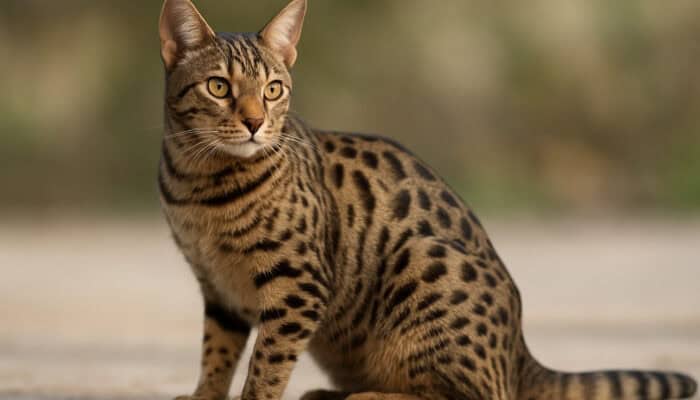
The development of ocicat spot patterns stems from a complex interaction of genetic factors that shape their distinctive and captivating markings. These genetic influences not only elevate their visual charm but also resonate with feline enthusiasts worldwide. Key genetic contributors to the formation of spots include:
- Expression of tabby genes
- Genetic inheritance from wildcat ancestry
- Diversity in pigmentation genes
- Effects of selective breeding techniques
Grasping these genetic elements enriches the understanding of breeders and cat lovers, revealing the intricate beauty and allure embedded in the appearance of these extraordinary felines.
How to Recognise the Distinctive Characteristics of Spot Designs in Ocicats
The spot designs displayed by ocicats are marked by bold, tabby-like patterns that greatly enhance their overall aesthetic appeal. These unique designs not only facilitate the cat’s adaptability in a variety of environments but also showcase a sophisticated level of appearance. A vital aspect of this is the symmetry of the patterns, which adds depth and balance, making the ocicat visually striking. Beyond aesthetics, this symmetry serves functional purposes, assisting their adaptability in both domestic and wild surroundings, thereby highlighting the multifaceted nature of these enchanting cats.
What Are the Differences in Spot Intensity Observed Among Ocicats?
The intensity of ocicat spots varies extensively, with some cats presenting subtle markings while others showcase bold and distinct designs. This variation in intensity not only influences the unique identities of each ocicat but also plays a significant role in breeding preferences. Both breeders and pet owners are often attracted to these differences, which can guide breeding choices and foster a wider interest in the breed. Ultimately, the diversity in spot intensity enhances the overall charm of ocicats, capturing the hearts of feline aficionados everywhere.
How Do Ocicat Spot Patterns Change Over Time?
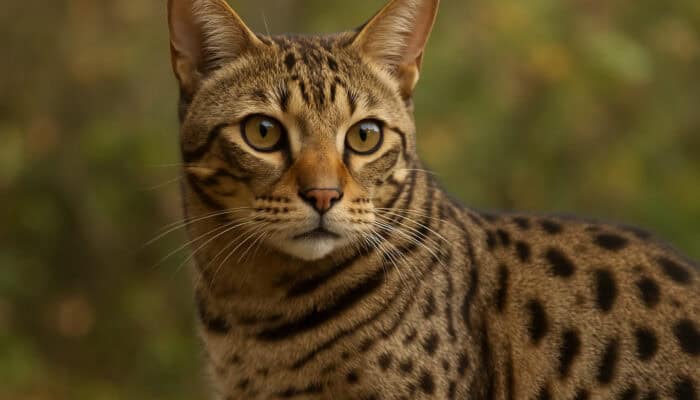
What Role Does Genetics Play in the Development of Spot Patterns?
The significance of genetics is crucial in the formation of ocicat spot patterns, resulting in a diverse array of expressions throughout the breed. These patterns typically begin to manifest early in the feline’s life, heavily influenced by the inherited traits of their parent breeds, particularly Abyssinians, Siamese, and American Shorthairs. The underlying genetic processes ensure that the unique markings inherent to ocicats are reliably transmitted across generations, allowing familiar patterns to appear in litters and enhancing the overall appeal of the breed.
What Factors Influence the Progression of Spot Patterns Over Time?
The progression of ocicat spots over time can be influenced by various natural growth processes, leading to subtle shifts in their appearance. Factors such as age, environmental conditions, and overall health can significantly affect the visibility and vibrancy of these patterns. Understanding how spots evolve not only aids breeders in preserving desirable characteristics but also empowers them to adapt to changes throughout a cat’s life. This approach ensures the retention of both the breed’s visual appeal and genetic integrity, enabling ocicats to flourish in diverse settings.
What Are the Common Misunderstandings Surrounding the Development of Ocicat Spots?

Numerous misconceptions exist regarding the development of ocicat spots, with a common belief suggesting that environmental factors play a significant role in shaping their appearance. In truth, the formation of spots is primarily governed by genetic factors rather than external influences. To effectively monitor and comprehend these patterns, breeders and cat owners can implement proactive strategies such as documenting changes over time, maintaining detailed health records, and observing any dietary impacts on coat appearance. This proactive approach ensures a clearer understanding of the factors influencing the development of these stunning markings.
Expert Insights into the Complexities of Ocicat Spot Patterns
What Advanced Methods Are Used for Analysing Ocicat Spots?
A thorough examination of ocicat spots demands meticulous observation of their structural patterns, which can uncover valuable insights into various feline traits relevant to breeding and genetic research. Experts frequently utilise techniques such as comparative morphology and genetic mapping to discern the significance of diverse spot designs. For instance, investigating the arrangement of spots may provide critical information about hereditary traits, which can inform breeding strategies aimed at enhancing the breed’s distinctive characteristics. This ensures the continuation of its unique aesthetic allure while promoting genetic health and diversity within the population.
What Advantages Are Gained from Analysing Spot Configurations in Ocicats?
Studying spot configurations in ocicats is vital for understanding how these patterns contribute not only to the breed’s visual allure but also to their overall health and behaviour. By closely examining these configurations, breeders can uncover insights into genetic predispositions that may influence the well-being of the cat. Such findings highlight the universal importance of these studies, fostering a deeper appreciation for the intricate relationship between genetics, health, and the remarkable characteristics of these fascinating felines. This knowledge ultimately aids in making informed breeding decisions that enhance the breed’s longevity and vitality.
How Can Breeders Effectively Incorporate Spot Patterns into Their Practices?
Integrating ocicat spots into breeding practices requires strategic methodologies aimed at enhancing genetic diversity while preserving the breed’s characteristic patterns. Breeders can adopt practices such as line breeding to retain desirable traits while introducing new genetic material to mitigate potential inbreeding issues and promote healthier offspring. This approach not only helps maintain the aesthetic quality of ocicats but also enhances their overall vitality and longevity, aligning with best practices in responsible breeding. Such strategies guarantee that the breed flourishes for years to come, captivating cat lovers around the globe.
What Are the Evolutionary Roots of Ocicat Spot Patterns?
Experts examining the evolutionary origins of ocicat spot patterns trace their development back to wild cat ancestors, particularly the African wildcat. These patterns serve crucial functions in nature, enhancing survival traits such as camouflage and effective predation. Understanding the evolutionary context of these markings offers broader insights into feline evolution, shedding light on the adaptive significance of spot patterns and their role in the behaviours exhibited by modern ocicats. This knowledge ultimately enriches our understanding of the species and underscores the importance of preserving these unique traits within the breed.
How Do Spot Patterns Relate to Health Assessments in Ocicats?
Specialists have observed that variations in ocicat spots can act as potential indicators of genetic health issues within the breed. For instance, certain patterns may be associated with hereditary conditions, enabling early identification and intervention for potential health concerns. By cultivating a keen awareness of how spot variations correlate with health, breeders can adopt proactive strategies that support the overall breeding health and longevity of ocicats. This focus ensures that these beloved pets thrive in their environments and enjoy a high quality of life throughout their years.
What Distinguishes Ocicat Spots in the Feline Realm?
Identifying the Unique Attributes of Ocicat Spot Arrangements
The spot arrangements of ocicats are particularly remarkable due to their symmetrical and vibrant designs, which enhance the cat’s allure in daily interactions. This uniqueness appeals broadly to cat lovers, enriching the overall aesthetic experience of owning an ocicat. The distinctive configurations not only elevate the visual charm of these cats but also mirror their dynamic personalities, making them engaging and delightful companions that capture the hearts of many. The combination of beauty and charisma in ocicats truly sets them apart in the feline world, making them a preferred choice among pet owners.
How Do Ocicat Spots Compare to Other Feline Patterns?
When comparing ocicat spots to other patterns found in felines, several striking differences regarding texture and visibility become apparent. While stripes and solid colours have their own allure, the vivid contrast and distinct shapes of ocicat spots foster a unique appreciation for their beauty. The richness of colour and variations in size among these spots provide a visual depth that distinguishes them from other cat breeds, making them a sought-after choice among feline enthusiasts who desire something extraordinary in their pets. This uniqueness significantly contributes to their popularity and desirability within the feline community.
What Is the Appeal of Spot Diversity in Ocicats?
The diversity of ocicat spots significantly enriches the breed’s overall charm, making them suitable for a range of environments. From lively households to competitive show rings, the unique patterns and variations draw the attention of a broad audience. This adaptability reflects the breed’s versatility while underscoring the importance of preserving such diversity within breeding practices. Ensuring that future generations of ocicats continue to inspire admiration and fascination among cat lovers worldwide is essential for the sustained popularity of this remarkable breed.
What Genetic Elements Contribute to the Distinctive Spot Patterns of Ocicats?
The distinctive spots of ocicats emerge from intentional selective breeding practices that involve Abyssinian, Siamese, and American Shorthair cats. This targeted breeding produces patterns that closely resemble the markings of wild felines, establishing visual connections to their ancestral roots. Such genetic inheritance ensures that the spots remain unique, enhancing the breed’s exotic appearance and vitality. Understanding these genetic factors is crucial for breeders aiming to preserve the breed’s characteristics while promoting genetic diversity and health, ensuring that ocicats continue to thrive in the future.
What Are the Behavioural Implications of Ocicat Spot Patterns?
Ocicat spots may significantly influence playful behaviours, reflecting traits found in wild predators. This connection fosters agile movements and enhances hunting instincts within domestic settings. The interactive nature of ocicats, amplified by their striking patterns, makes them lively and engaging pets for families, providing a dynamic companionship experience that transcends mere aesthetics. This behavioural aspect, combined with their visual appeal, strengthens the bond between ocicats and their owners, making them cherished members of the household.
Research-Backed Advantages Linked to Ocicat Spot Patterns
What Health Benefits Are Associated with Spotted Coats?
Research suggests that spotted coats may correlate with enhanced thermal regulation, providing various advantages to feline well-being linked to specific pattern-related traits. For example, the arrangement of fur and pigmentation in spot patterns can improve both heat retention and cooling, positively impacting the overall health of ocicats. By understanding these health implications, breeders can prioritise traits that bolster the breed’s resilience, ensuring that ocicats thrive in diverse environments while maintaining their striking appearance and vitality.
How Do Spots Enhance Behaviour in Ocicats?
Patterns play a significant role in influencing cat behaviour, and in the case of ocicats, spots can elevate activity levels, fostering playfulness and social interaction. Research indicates several behavioural advantages linked to these distinctive markings, including:
- Increased curiosity and exploration
- Enhanced social interaction with humans and other pets
- Promotion of exercise through play
- Encouragement of natural hunting behaviours
These benefits enrich the lives of ocicats while deepening the connections they share with their owners, making them cherished companions and enhancing the overall pet ownership experience. The lively personality of ocicats, bolstered by their unique appearance, ensures they remain engaging and delightful pets.
What Are the Long-Term Benefits of Ocicat Spot Genetics?
The genetics behind ocicat spots offer lasting advantages that contribute to the adaptability of these felines. Research underscores the role of these genetic traits in fostering resilience against various environmental challenges. By focusing on the maintenance of desirable genetic markers, breeders can ensure that future generations of ocicats thrive, enjoying improved health, behaviour, and adaptability across diverse settings. This commitment to genetic integrity supports the legacy of this captivating breed, allowing it to charm cat lovers for many years to come.
Why Do Cat Enthusiasts Hold Ocicat Patterns in High Esteem?
What Factors Fuel the Admiration for Ocicat Patterns?
Several factors contribute to the admiration for ocicat patterns, including their aesthetic qualities, which resonate profoundly with cat enthusiasts. The allure of these striking markings often captures attention at cat shows and within households, enhancing the overall charm of the breed. With their unique combination of beauty and charisma, ocicats stand out as beloved pets worldwide, attracting admiration from a diverse audience. Their captivating patterns and dynamic personalities significantly contribute to their popularity among cat lovers.
What Is the Cultural Significance of Spots on Ocicats?
Spots on ocicats have gained widespread recognition due to their cultural significance, often symbolising elegance and grace. This perception fosters a fascination that transcends geographical boundaries, appealing to feline lovers around the globe. To fully appreciate these traits, individuals can engage in community discussions, attend cat shows, and explore literature centred on feline aesthetics. This engagement enriches their understanding and appreciation of the breed’s unique charm, further solidifying ocicats’ place in the hearts of cat enthusiasts.
What Trends Are Emerging in Spot Pattern Preferences Among Breeders?
Spot pattern preferences continue to evolve alongside breeding trends, as there is a persistent interest in unique designs that remain popular due to their timeless and versatile nature. This ongoing demand for distinct markings encourages breeders to focus on creating variations that appeal to both traditional enthusiasts and new cat owners. This adaptability ensures the enduring allure of ocicats within the feline community and beyond, allowing them to remain a favourite choice for many.
Effective Techniques for Preserving the Beauty of Ocicat Spot Patterns
What Fundamental Care Practices Are Essential for Spot Preservation?
Maintaining the vibrancy of ocicat spots necessitates consistent grooming practices aimed at preserving their striking appearance. Regular brushing is vital to remove loose fur and debris, ensuring the integrity of the patterns while promoting healthy skin. Additionally, occasional baths can be beneficial in maintaining coat quality, helping to keep the spots vivid and visually appealing in various settings. This attention to grooming enhances the overall aesthetic value of this remarkable breed, ensuring that their beauty is preserved for years to come.
What Challenges Might Arise in Maintaining Ocicat Spot Patterns?
Challenges in preserving ocicat spots can emerge due to natural shedding and various environmental factors that may affect their appearance over time. However, implementing straightforward methods can help owners maintain consistency in their pet’s coats. For example, establishing a regular grooming schedule and using appropriate grooming tools can mitigate the effects of shedding, ensuring that the beauty of the spots remains intact and visually striking throughout the cat’s life. This proactive approach is essential for maintaining the cat’s health and overall appearance.
What Is the Future of Spot Pattern Evolution in Ocicats?
The future of spot pattern evolution in ocicats is likely to involve selective breeding practices that emphasise the prominence of desirable traits. As breeders adapt to evolving feline developments and preferences, they can adopt strategies that prioritise the preservation of unique patterns while introducing new genetic material. This careful balancing act will ensure the sustainability and progressive enhancement of ocicat aesthetics for generations to come, keeping the breed vibrant and captivating in the eyes of cat lovers everywhere.
How Does Diet Influence the Maintenance of Ocicat Spot Patterns?
A well-balanced diet rich in proteins, vitamins, and minerals is crucial for ocicat spot maintenance, as it supports the health of the skin and coat. Proper nutrition is essential to prevent fading or irregularities in coat patterns, ensuring that spots maintain their vibrancy throughout all life stages. Owners should prioritise high-quality cat food tailored to meet the specific dietary needs of ocicats, significantly enhancing their overall health and appearance. This focus on nutrition plays a vital role in preserving the beauty and well-being of these remarkable cats.
What Environmental Factors Influence the Integrity of Ocicat Patterns?
Environmental considerations such as sunlight exposure and humidity can profoundly affect ocicat spot patterns, making it crucial for owners to manage exposure to preserve their integrity. To promote long-term pattern stability, providing shaded areas and maintaining controlled indoor environments can be beneficial. These practices help mitigate the risk of bleaching or distortion of the coat, ensuring that the unique markings remain vivid and appealing throughout the cat’s life. This proactive approach is essential for maintaining the beauty and health of ocicats.
Frequently Asked Questions about Ocicat Spot Patterns
What Are Ocicat Spot Patterns?
Ocicat spot patterns are distinctive markings that closely resemble those of wild felines, characterised by bold and symmetrical designs. These unique patterns result from selective breeding practices involving Abyssinians, Siamese, and American Shorthairs, creating a visually appealing aesthetic that captivates cat lovers.
How Do Genetics Impact the Appearance of Ocicat Spots?
Genetics play a fundamental role in determining ocicat spot patterns, dictating their specific markings and variations. These traits are passed down from parent to offspring, ensuring consistency in the breed’s visual appeal while maintaining the integrity of their unique characteristics. This genetic connection is vital for preserving the breed’s stunning appearance.
Can Ocicat Spots Change as the Cat Grows Older?
Yes, ocicat spots can evolve as the cat ages, influenced by factors such as health, environmental conditions, and overall well-being. Regular observation of these changes can assist owners in maintaining their cat’s appearance and ensuring they remain vibrant and healthy throughout their lives.
What Are Common Misunderstandings Regarding the Development of Ocicat Spots?
A prevalent misconception is that environmental factors significantly influence spot development. In reality, the formation of spots is primarily dictated by genetic factors, with inherent characteristics guiding their appearance and evolution. Understanding this distinction can help cat owners better appreciate the unique nature of ocicat patterns.
How Do Ocicat Spots Affect Cat Behaviour?
Ocicat spots can enhance playful behaviours, encouraging agility and interaction. Their resemblance to wild predators stimulates natural instincts, making them engaging pets for families and providing a rich, dynamic companionship experience that extends beyond mere aesthetics.
What Care Is Necessary for Maintaining Ocicat Spots?
Caring for ocicat spots involves regular grooming practices, including brushing and occasional baths, to preserve the quality and vibrancy of the coat. This attention to care is essential in maintaining their striking appearance while ensuring their health and well-being throughout their lives.
Are There Health Implications Associated with Ocicat Spot Variations?
Yes, ocicat spots can indicate potential genetic health issues. Variations in patterns may correlate with specific hereditary conditions, providing breeders with crucial information to monitor and maintain the overall health of the breed. This awareness helps ensure the continued vitality of ocicats.
What Are the Benefits of Studying Ocicat Patterns?
Examining ocicat patterns offers valuable insights into genetics, health, and behaviour. This knowledge aids breeders in making informed decisions that enhance the breed’s vitality and aesthetic appeal, ultimately contributing to the betterment of the ocicat lineage and ensuring its enduring charm.
How Do Ocicat Spots Compare to Other Patterns Found in Felines?
In comparison to other feline patterns, ocicat spots are distinguished by their boldness and symmetry. This visual richness contributes to their unique appeal, setting them apart from stripes and solid colours, and making them a popular choice among cat enthusiasts who appreciate their extraordinary beauty.
What Does the Future Hold for Ocicat Spot Patterns?
The future of ocicat spots will likely involve selective breeding practices that prioritise the preservation of desired traits while fostering genetic diversity. This approach will ensure that the breed remains vibrant and captivating for generations to come, sustaining its popularity among feline lovers while maintaining the unique characteristics that define ocicats.
Connect with Us on Facebook!
The Article Ocicat Spot Patterns: Exploring Feline Coat Variations First Published On https://elgatoencasa.com
The Article Ocicat Spot Patterns: Discovering Unique Feline Coats Was Found On https://limitsofstrategy.com