Essential Guidelines for Safely Administering Medication to Your Pet
Conducting a Thorough Health Assessment

Before giving any medication to your cherished pet, it is vital to perform a detailed health assessment. This includes checking essential vital signs like heart rate and temperature, as well as reviewing their medical history to confirm that your pet is a suitable candidate for the treatment. A comprehensive evaluation helps prevent complications and ensures that medications can be administered effectively, setting the stage for successful treatment outcomes.
Understanding your pet’s specific health requirements is crucial when selecting the appropriate medication and dosage. Different breeds may respond differently to medications due to unique sensitivities. By dedicating time to assess your pet’s overall health, you not only boost the treatment’s effectiveness but also strengthen the bond of trust and cooperation with your furry companion.
Choosing the Right Tools for Medication Administration
Selecting the appropriate tools for administering medications is crucial for accuracy and reducing stress for both you and your pet. Common tools include syringes, pill dispensers, and droppers, each designed to facilitate medication delivery tailored to your pet’s needs. Using high-quality tools simplifies the administration process, ensuring your pet consistently receives the correct dosage.
Having the right equipment on hand can significantly reduce anxiety during medication time. For example, using a pill pocket or a flavoured liquid can make taking medication more enjoyable for your pet. Investing in the right tools fosters a supportive environment that encourages cooperation and decreases the likelihood of future resistance.
Creating Positive Experiences During Medication Time
Fostering positive associations with medication time is key to achieving long-term success. Incorporating treats, verbal praise, or gentle petting can help your pet link medication with enjoyable experiences. This strategy not only alleviates immediate stress during administration but also promotes cooperation for future doses, making the process smoother over time.
Utilising positive reinforcement techniques can transform medication sessions from a stressful necessity into a rewarding bonding opportunity. For example, offering a favourite treat immediately after administering medication reinforces the idea that taking medicine leads to enjoyable experiences. Over time, this approach can greatly reduce anxiety and reluctance, establishing a harmonious routine between you and your pet.
Effective Techniques for Medication Administration
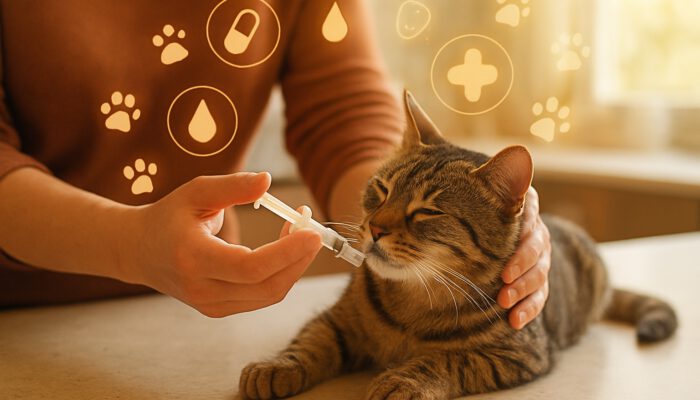
Effective Methods for Delivering Oral Medications
Oral administration is one of the most common techniques for giving medications to pets. This can involve hiding pills in food, using flavoured liquids, or employing pill pockets designed to mask the taste of the medication. Close monitoring of your pet is essential to ensure they consume the entire dose, as incomplete ingestion can lead to ineffective treatment and prolong recovery.
Establishing a consistent routine around medication times can be beneficial. For instance, giving medications at the same time each day can help your pet get used to the process. This predictability not only encourages compliance but also allows you to notice any behavioural or health changes, ensuring that the medication is achieving its intended effects.
Key Guidelines for Applying Topical Medications
Applying topical medications requires careful attention to ensure effective absorption without causing irritation. When using creams or drops, thoroughly cleanse the application area beforehand. This practice helps prevent infections and ensures that the medication penetrates the skin effectively, delivering optimal results for your pet’s condition.
Handling your pet gently during this process is equally important. Using a calm voice and soothing touch can reassure your pet while the medication is applied. Focusing on your pet’s comfort can make the experience more pleasant, fostering a sense of trust that will benefit future applications.
Understanding Injectable Medications

Injectable medications are often crucial for pets needing immediate or precise treatment. Administering injections requires strict adherence to sterile procedures to avoid infections and protect your pet’s health. Selecting the correct injection site is vital, as it can directly affect the medication’s effectiveness and your pet’s comfort.
Receiving training in proper injection techniques can enhance your confidence and effectiveness in administering medications. Many veterinarians offer guidance or demonstrations on safe injection practices. Understanding these best practices not only safeguards your pet but also upholds health standards throughout the treatment process.
Using Inhalation Techniques for Medication Delivery
Inhalation methods for delivering medications involve devices such as nebulisers or aerosol sprays that target the respiratory system directly. This technique ensures rapid absorption while minimising side effects by delivering medications precisely where they are needed. Following controlled breathing techniques is essential for effective inhalation therapy.
Maintaining inhalation devices is equally important. Regular cleaning and inspections can prevent malfunctions and ensure your pet consistently receives the correct dosage. By implementing these practices, you enhance the effectiveness of inhalation treatments and contribute positively to your pet’s overall health and well-being.
How Does Timing Impact Medication Effectiveness?
Strategies for Effective Medication Scheduling
Aligning your pet’s medication doses with their natural rhythms can significantly enhance absorption rates. Administering medications during times that coincide with your pet’s eating or resting patterns helps maintain stable levels of active ingredients throughout the day. This tailored strategy can greatly improve the overall effectiveness of the treatment plan.
Observing your pet’s behaviour and energy levels can assist in determining the optimal times for doses. For example, if your pet is more active in the mornings, giving medication during that time may improve compliance and effectiveness. Recognising these patterns allows for a customised approach to medication administration that respects your pet’s natural behaviours.
What Factors Affect Medication Intervals?
Various factors can influence how well medications work for your pet, including meal times, activity levels, and even stress. For some pets, giving medication on an empty stomach may enhance absorption, while others might need food to mitigate side effects. Adjustments may be necessary based on your observations of your pet’s responses to the medications.
Monitoring your pet’s behaviour and health after each dose can help you identify the most effective intervals for administration. Keeping a log of these observations can aid in refining the medication schedule, ensuring that your pet receives personalised care suited to their unique needs and circumstances.
Identifying Response Patterns to Medication
Tracking your pet’s reactions after each dose is essential for recognising patterns that can inform treatment adjustments. By noting changes in behaviour, appetite, or energy levels, you can gather valuable insights into the medication’s effectiveness and any potential side effects. This information is invaluable for discussions with your veterinarian, helping fine-tune the treatment approach.
Regular monitoring enables timely adjustments to the treatment plan. If a particular medication seems less effective over time, your veterinarian may suggest a dosage change or alternative medication. By staying vigilant and proactive, you can help ensure the best possible outcomes for your pet’s health and well-being.
Adapting Medication Administration Based on Age and Health Conditions
Adjusting medication timing according to your pet’s age, breed, or underlying health issues can significantly boost treatment efficacy. Younger pets may metabolise medications differently than older ones, necessitating careful consideration of dosage and timing. Certain breeds may exhibit specific sensitivities that require modifications in administration practices.
Consulting with your veterinarian about your pet’s unique health profile is crucial. They can provide personalised recommendations that factor in metabolic changes and potential drug interactions, ensuring that your pet receives the safest and most effective treatment tailored to their individual needs.
Expert Insights on Medication Administration for Pets
Verification Steps for Accurate Dosing
Following expert verification processes is crucial for ensuring accuracy before each medication administration session. This typically involves double-checking the medication label against the prescription, confirming the correct dosage, and ensuring that the medication is suitable for your pet’s specific condition. Real-world examples show that even experienced pet owners can benefit from these verification steps to prevent errors and enhance safety.
Implementing a systematic approach to verification not only boosts safety but also builds confidence in your medication administration skills. Keeping a checklist or log can serve as a helpful reminder of the necessary steps for each session, ensuring that nothing is overlooked during the process.
Improving Administration Techniques
Refining your medication administration techniques through practice can greatly enhance your confidence and precision. Conduct practice sessions with a veterinarian or knowledgeable friend, focusing on effectively managing different pet temperaments. These sessions can prepare you to calm anxious pets and ensure proper administration techniques are applied consistently.
Incorporating feedback from these practice sessions can lead to improved techniques. If a particular method causes stress, exploring alternative approaches can create a more positive experience for both you and your pet. Continuous learning and adaptation are essential for mastering medication administration, resulting in better outcomes.
Essential Practices for Record Keeping
Maintaining detailed logs of every dose administered is vital for ongoing evaluations and adjustments by professionals. This record should include the date, time, dosage, and any observed effects following administration. Such documentation provides invaluable insights during veterinary visits and helps track your pet’s progress over time, facilitating better care.
Regularly reviewing these records can also highlight patterns that might prompt discussions with your veterinarian. For instance, if you notice recurring side effects or behavioural changes, having this information readily available can facilitate more informed decisions regarding your pet’s treatment plan, ensuring their well-being remains a priority.
Understanding Calculations for Pet Medication Dosages
Using Weight-Based Formulas for Accurate Dosage
Weight-based formulas are critical for calculating the correct medication dosage for your pet. Accurate weight measurements are vital to avoid both underdosing and overdosing situations that can jeopardise your pet’s health. Using a reliable scale and regularly recording weight changes helps maintain accuracy in dosage calculations, contributing to effective treatment.
Consulting with your veterinarian about the appropriate formulas for your pet’s needs is advisable. They can guide you on how to calculate dosages based on your pet’s weight and health status, ensuring that the treatment plan is both safe and effective, tailored specifically to your pet’s unique characteristics.
Adjusting Dosages for Specific Health Conditions
Certain health conditions often require modified calculations for medication dosages. For example, pets with kidney or liver issues may metabolise drugs differently, necessitating careful adjustments. Professional input is essential when tailoring medication plans to address these unique health concerns, ensuring safety and effectiveness.
Regular veterinary check-ups play a critical role in ensuring that your pet’s medication plan stays appropriate as their health evolves over time. By collaborating closely with a professional, you can navigate the complexities of dosage adjustments and maintain optimal treatment outcomes, safeguarding your pet’s health and well-being.
Avoiding Common Errors in Medication Administration
Double-checking all calculations and administration steps is vital to minimise errors that could hinder your pet’s recovery. Simple mistakes in dosage or timing can lead to serious consequences, making vigilance essential. Establishing a routine to verify all aspects of medication administration can help prevent these issues and ensure your pet receives the correct treatment.
Educating yourself about common errors is also beneficial. Familiarising yourself with potential pitfalls, such as misreading labels or forgetting doses, can elevate your awareness and help you maintain a proactive approach to your pet’s care. This diligence is critical for ensuring a safe and effective medication experience for your pet.
Reliable Approaches for Medication Administration in Pets
Techniques for Reducing Stress During Administration
Creating a calm environment during medication administration can significantly ease stress for both pets and their owners. Consider establishing a quiet area free from distractions where your pet feels secure and comfortable. Familiar surroundings can help reduce anxiety levels and make the administration process more manageable for everyone involved.
Incorporating soothing techniques, such as gentle petting or playing soft music, can further enhance the tranquil atmosphere. Real-world examples show that pets respond positively to environments that promote relaxation, making it easier for them to accept medication without resistance and facilitating smoother administration experiences.
What Should You Do When Pets Resist Taking Medication?
When pets resist taking medication, using gentle techniques can turn challenging moments into manageable ones. Techniques such as wrapping a small dog in a towel or using a pill pocket can help ease the process. Understanding your pet’s body language is crucial; recognising signs of stress can guide you in modifying your approach to make administration less daunting.
If resistance continues, consulting your veterinarian for alternative solutions is advisable. They may suggest different formulations or methods to simplify administration, ensuring your pet receives the necessary treatment. Being flexible and patient can lead to more successful outcomes, fostering a cooperative relationship with your furry companion.
Integrating Medication into Daily Routines for Better Compliance
Incorporating medication times into existing daily habits can create a seamless routine that enhances compliance. For instance, giving medication during feeding times or after a walk can help your pet associate these activities with positive experiences. This consistency benefits your pet and helps you stay organised and committed to their treatment plan.
Establishing a clear routine can lead to smoother administration sessions, reducing anxiety for both you and your pet. Over time, this integration can make medication administration feel like a natural part of their day, fostering a more cooperative atmosphere during treatment times.
What Side Effects Should You Monitor After Medication Administration?
Identifying Early Symptoms of Adverse Reactions
Being vigilant for early signs of side effects is crucial for ensuring your pet’s well-being. Changes in behaviour, appetite, or energy levels can indicate that a medication may not be suitable for your pet. Prompt identification of these signs allows for timely veterinary intervention, which can prevent serious complications and promote a successful treatment experience.
Consistent monitoring of your pet’s condition following medication administration is essential. Keeping a close watch on their reactions and documenting any changes can provide valuable insights for your veterinarian, ensuring that your pet receives the best possible care tailored to their individual needs and circumstances.
Establishing Clear Reporting Protocols for Observed Side Effects
Creating clear reporting protocols for observed side effects is essential for effective management. If you notice any concerning changes, having a straightforward process for contacting your veterinarian can facilitate prompt advice and intervention. This proactive approach can significantly enhance your pet’s treatment and overall health, addressing potential issues before they escalate.
Maintaining open communication with your veterinarian regarding any side effects can lead to better-informed decisions about medication adjustments. By diligently reporting these observations, you contribute to a more effective treatment plan that prioritises your pet’s well-being and health outcomes.
Long-Term Monitoring of Medication Effects
Sustained observation of your pet’s condition over time is essential for tracking the effects of medications. Noting whether side effects persist or evolve can guide decisions about continuing or altering the treatment course. This long-term perspective is crucial for ensuring that your pet receives the most effective care tailored to their health needs.
Regular follow-ups with your veterinarian can help assess the overall effectiveness of the medication and implement necessary adjustments. By remaining engaged in your pet’s health journey, you can contribute to better outcomes and a more positive experience for both you and your furry companion.
Guidelines for Storing and Disposing of Pet Medications
Optimal Conditions for Safe Medication Storage
Maintaining ideal environmental conditions for medication storage is vital for preserving potency. Medications should be stored in cool, dry places away from direct light to prevent degradation. Following these guidelines ensures that your pet receives effective treatment throughout their medication regimen, safeguarding their health and recovery.
Regularly checking storage conditions can help identify any potential issues that might affect medication quality. For example, keeping medications in a dedicated cabinet can protect them from temperature fluctuations and humidity, maintaining their efficacy until the expiration date and ensuring your pet’s safety.
Safe Disposal Practices for Unused Medications
Following safe disposal methods for unused medications is essential for protecting others and the environment. Many veterinary clinics offer disposal programs for pet medications, ensuring they are handled safely and responsibly. It is crucial to avoid flushing medications down the toilet or discarding them in the trash, as this can lead to contamination and potential harm to wildlife.
Educating yourself about local disposal regulations can provide guidance on managing unused medications responsibly. By taking these steps, you help create a safer environment while ensuring that your pet’s medications are disposed of properly and ethically.
Regularly Checking Expiration Dates on Medications
Consistently reviewing expiration dates on medications is vital for maintaining treatment integrity. Using expired products can jeopardise your pet’s recovery and lead to unnecessary complications. Establishing a routine for checking these dates can help ensure that you only use safe and effective medications that positively contribute to your pet’s health.
If you discover expired medications, dispose of them following safe disposal methods. Keeping a checklist of medications and their expiration dates can help you stay organised and ensure your pet receives the best possible care without risking their health through outdated treatments.
Implementing Proper Labeling Practices for Medication Containers
Ensuring that all medication containers are clearly labelled with contents and dates is essential for avoiding confusion during storage. Proper labeling helps prevent the misuse of medications, which could lead to health complications for your pet. Consider using colour-coded labels for different types of medications to enhance clarity and organisation.
Regularly reviewing and updating labels can also help maintain order. This practice ensures that you can quickly identify the right medication at the right time, streamlining the administration process and contributing positively to your pet’s overall health and well-being.
Safely Transporting Medications to Preserve Quality
When transporting medications, it’s important to keep them under appropriate conditions to maintain their quality. Using insulated bags or coolers can help control temperature, especially for medications that require refrigeration. Ensuring that medications are securely stored during transport can prevent damage or exposure to harmful elements, protecting your pet’s health.
Planning ahead for travel can also streamline the process. For example, packing medications in a designated travel kit can make them more accessible when needed, ensuring your pet’s treatment continues uninterrupted, even while on the go, thus maintaining consistency in their medication regimen.
Frequently Asked Questions About Pet Medication Administration
What should I do if my pet refuses to take their medication?
If your pet refuses to take their medication, try hiding it in their favourite food or using a pill pocket to make it more appealing. If resistance persists, consult your veterinarian for alternative options or formulations that may be easier for your pet to accept.
How can I tell if my pet is experiencing side effects from their medication?
Watch for changes in behaviour, appetite, or energy levels. If you observe any unusual signs or symptoms, contact your veterinarian immediately to discuss potential side effects and necessary adjustments to the treatment plan for your pet’s safety.
Is it safe to crush pills for my pet?
Crushing pills is sometimes acceptable, but it varies by medication. Always consult your veterinarian before altering the form of medication, as some drugs may lose effectiveness or cause irritation when crushed, potentially impacting your pet’s treatment.
How often should I schedule veterinary check-ups during my pet’s medication treatment?
Regular check-ups are essential, especially when starting a new medication regimen. Typically, scheduling visits every few weeks or as advised by your veterinarian can help monitor your pet’s response and adjust treatment as needed for optimal health outcomes.
What are the best practices for storing pet medications securely?
Store medications in a cool, dry place away from direct sunlight. Ensure containers are tightly sealed and clearly labelled with contents and expiration dates to prevent confusion and maintain effectiveness, safeguarding your pet’s health.
Can I use human medications for my pet?
Using human medications without veterinary guidance can be dangerous and potentially harmful. Always consult your veterinarian before administering any human medications to ensure safety and appropriateness for your pet’s specific condition and needs.
What should I do if I miss a dose of my pet’s medication?
If you miss a dose, administer it as soon as you remember, unless it is close to the time for the next dose. In that case, skip the missed dose and resume the regular schedule. Consult your veterinarian for specific guidance on managing missed doses for your pet.
Are there any medications that should not be given with food?
Yes, some medications may require administration on an empty stomach for optimal absorption. Always follow your veterinarian’s instructions regarding food restrictions with specific medications to ensure efficacy and safety.
How can I make medication time less stressful for my pet?
Creating a calm environment, using positive reinforcement, and establishing a routine can significantly reduce stress during medication administration. Patience, gentle handling, and a supportive atmosphere are key to making the process more manageable for both you and your pet.
What should I do if my pet has an adverse reaction to medication?
If your pet experiences an adverse reaction, such as difficulty breathing or severe lethargy, contact your veterinarian immediately. Prompt action can be crucial in managing serious side effects effectively, ensuring your pet receives the appropriate care.
Discover engaging stories on our Facebook page!
The Article Medication Administration Guide For Pets: Tips And Tricks First Published On https://elgatoencasa.com
The Article Medication Administration Guide for Pets: Essential Tips Was Found On https://limitsofstrategy.com