Adopting Sustainable Safety Practices for Household Clearance in the UK
What Characterises Eco-Friendly Techniques in Household Clearance Across the UK?

Eco-friendly techniques in UK household clearance involve a diverse range of practices designed to minimise the environmental impact while prioritising the safety of all individuals engaged in the clearance operation. This holistic approach incorporates the use of sustainable materials, a strong emphasis on recycling, and the responsible disposal of hazardous items in accordance with local legislation. For example, a trustworthy house clearance service may choose biodegradable cleaning products, ensuring that reusable furniture is either donated or recycled instead of being dumped in landfills. A common and commendable method employed by UK services is partnering with local charities to enable the redistribution of usable items, which significantly decreases waste and fosters community support and well-being.
Moreover, a key element of eco-friendly household clearance is the careful management of hazardous materials, such as electronic devices that may contain toxic elements. In the UK, regulations classify these materials as special waste, necessitating their processing through licensed facilities that guarantee safe disposal. Furthermore, opting for non-toxic materials for packing and transporting items greatly enhances the eco-friendly approach. By embracing these strategies, homeowners and clearance experts can substantially reduce their carbon footprint while fostering a safer environment for everyone involved in the clearance process.
What Are the Essential Components of Safety Protocols in Household Clearance Within the UK?
Safety protocols during household clearance in the UK are crucial for safeguarding both workers and homeowners. These guidelines encompass various safety aspects, particularly when hazardous materials are present. For instance, conducting a thorough risk assessment before initiating any clearance task is vital for identifying potential hazards, such as asbestos, lead paint, or mould. It is imperative to equip workers with protective gear, including gloves, masks, and goggles, to effectively mitigate health risks. The primary benefits of implementing safer practices in household clearance include:
- Significant reduction in accidents and injuries on-site
- Enhanced compliance with health and safety regulations
- Increased community trust and improved reputation for clearance professionals
- Decreased environmental impact through responsible waste management
In addition, strict adherence to robust safety protocols ensures that all personnel receive proper training in the safe handling of hazardous materials. For example, workers should receive comprehensive instruction on the correct use of equipment, safe lifting techniques, and emergency procedures. This training not only protects the individuals involved but also cultivates a safety culture that emphasises eco-friendly practices in all operations.
What Is the Significance of Waste Management in UK Household Clearance?
Effective waste management is a critical component of household clearance, especially in light of UK laws that advocate for efficient segregation and recycling of materials. By implementing a robust waste management strategy, households can significantly lessen the volume of waste that ultimately ends up in landfills. For instance, residents can easily sort recyclables, such as paper, plastics, and metals, from general waste, actively supporting local recycling initiatives and contributing to a more sustainable community.
The introduction of kerbside recycling schemes in many UK councils has simplified the process for residents to engage in eco-friendly practices. Households are encouraged to maintain separate bins for various types of waste, making disposal more straightforward and ensuring that recyclable materials are collected and processed correctly. Furthermore, composting organic waste represents an excellent method for minimising landfill contributions by transforming kitchen scraps into nutrient-rich soil. These practices not only contribute to a healthier environment but also play a crucial role in enhancing the overall safety of the clearance process by reducing the presence of hazardous waste.
What Are Some Exemplary Case Studies of Successful Eco-Friendly Household Clearances in the UK?
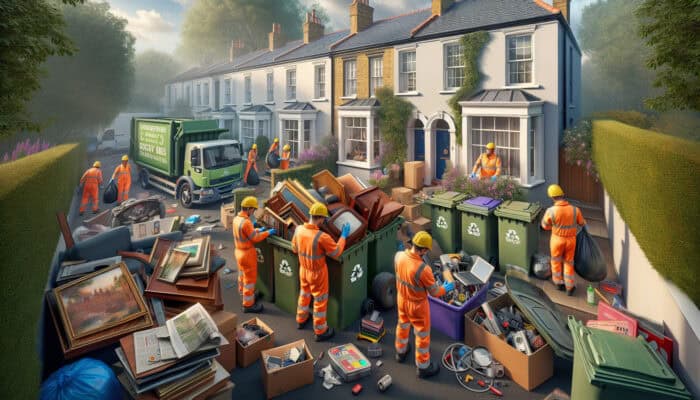
Exploring real-world case studies of eco-friendly household clearances in the UK highlights the effective integration of safety measures and sustainable practices. For instance, a notable case involved a family home in London that underwent clearance prior to renovation. The clearance company adopted a strategy centred on recycling and the responsible disposal of hazardous materials, successfully diverting over 80% of the clearance waste from landfills through donations of furniture and recycling of electronics, all while implementing protective measures for staff.
Another inspiring example is a community initiative in Bristol, where local volunteers collaborated with a house clearance firm to assist elderly residents in downsizing. This partnership not only facilitated safe home clearances but also ensured that items were reused within the community or recycled appropriately. Key takeaways from these cases underscore the significance of collaboration, effective communication, and adherence to strict safety protocols, which collectively lead to minimal environmental impact and zero incidents during the clearance process.
How Do Eco-Friendly Practices Enhance Safety in Household Clearance?
What Hazards Should Be Identified During Household Clearance in the UK?
Identifying hazards during household clearance is crucial for ensuring the safety of all individuals involved. Common risks may include exposure to harmful substances such as asbestos, which can be present in older properties. Employing eco-friendly alternatives, such as biodegradable cleaners, can significantly mitigate some of the risks associated with toxic chemicals commonly found in household cleaning products. Opting for these sustainable alternatives aligns with UK health standards while concurrently reducing the overall health risks faced by workers and residents alike.
Moreover, conducting a thorough assessment of the property prior to clearance enables teams to identify potential hazards, including mould, sharp objects, or unstable structures. By addressing these risks early in the process, clearance teams can implement the necessary safety measures, such as the use of protective gear and specialised equipment. This proactive approach not only enhances safety but also ensures that the entire clearance process remains efficient and eco-friendly.
What Steps Can Be Taken to Safely Integrate Green Strategies in Household Clearance?
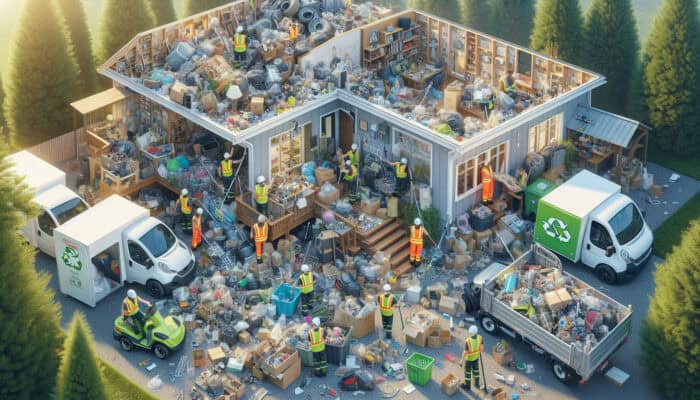
Integrating green strategies safely within household clearance involves a blend of practical approaches and community engagement. For example, collaborating with local recycling schemes can enhance safety by alleviating the physical strain on workers who might otherwise be tasked with heavy lifting without appropriate equipment. Whenever feasible, using electric vehicles for transporting materials can also help reduce emissions and improve safety on the roads.
Additionally, formulating a plan that involves pre-sorting items into categories of reusable, recyclable, or waste can significantly streamline the overall process. This method not only ensures compliance with UK regulations but also fosters a culture of safety and environmental responsibility. Furthermore, establishing partnerships with local charities and recycling centres facilitates a more efficient disposal process, ensuring that all items are handled safely and responsibly throughout the clearance operation.
What Advantages Arise From Merging Eco-Friendly and Safety Measures in Household Clearance?
The integration of eco-friendly and safety measures in household clearance provides numerous advantages. One of the most substantial benefits is the noticeable reduction in injury rates, as the implementation of safety protocols alongside sustainable practices fosters a healthier working environment. Additionally, these measures positively contribute to UK biodiversity, as eco-conscious practices work to preserve local ecosystems and promote environmental sustainability.
Not only does this holistic approach enhance the efficiency of the clearance process, but it also cultivates a more responsible mindset among workers and homeowners alike. Educating all involved parties about the connection between safety and environmental stewardship fosters a deeper understanding of the importance of sustainable practices. Ultimately, this synergy results in more successful and effective household clearance operations, ensuring that both safety and eco-friendliness remain at the forefront of all activities.
What Impact Do UK Regulations Have on Eco-Friendly Practices in Household Clearance?
UK regulations play a vital role in shaping eco-friendly practices within household clearance operations. The Environment Agency and the Health and Safety Executive enforce stringent guidelines that encourage the adoption of sustainable methods. These regulations aim to mitigate risks associated with hazardous waste disposal while safeguarding both workers and the wider community.
For instance, specific regulations dictate that hazardous waste, including materials like asbestos or chemicals, must be managed and disposed of through licensed contractors. Compliance with these laws not only guarantees a safer working environment but also signifies a commitment to eco-friendly practices. By adhering to regulatory standards, clearance companies can bolster their reputation, build trust with clients, and promote safer, greener operations throughout the UK.
Expert Insights on Eco-Friendly Safety in Household Clearance
What Advanced Techniques Address UK-Specific Challenges in Household Clearance?
Navigating urban environments in the UK during household clearance presents unique challenges, often necessitating advanced techniques to enhance eco-safety. One effective strategy is the utilisation of electric vehicles for transporting cleared items. This approach significantly reduces carbon emissions while helping to alleviate congestion issues commonly encountered in busy cities. Experts recommend assessing local traffic patterns and optimising routes to maximise efficiency while minimising environmental impact.
Moreover, incorporating technology, such as digital inventory tracking systems, can streamline the clearance process. These systems enable teams to monitor items in real time, ensuring that reusable or recyclable materials are identified and prioritised. Compliance with local laws, including waste disposal regulations, can be further enhanced by employing bespoke software that alerts team members to relevant guidelines and best practices specific to the area. Engaging with local councils can also provide valuable insights into community-specific initiatives aimed at sustainable disposal, ensuring that practices remain compliant and effective.
How Can Materials Be Effectively Evaluated for Safe Disposal in Household Clearance?
Evaluating materials for safe disposal is essential to maintaining eco-friendly practices during household clearance. Experts recommend adhering to established UK waste directives that categorise materials into recyclables, hazardous, and general waste. For example, electronics should be assessed for their potential for recycling, ensuring that components are handled safely and processed by licensed facilities equipped to manage such materials.
A practical approach involves training staff on how to identify recyclable materials and understand the importance of proper disposal methods. Utilising checklists can assist teams in efficiently evaluating items while ensuring compliance with relevant regulations. Real-world examples from British case studies highlight the effectiveness of these methods, demonstrating how proper assessment and disposal of materials can lead to significant reductions in landfill contributions and promote responsible waste management.
What Long-Term Impacts Can Eco-Friendly Safety Measures Have on UK Properties?
Sustaining eco-friendly safety measures can have profound long-term impacts on UK properties. Experts assert that incorporating these practices not only safeguards current residents but also preserves the structural integrity of homes over time. For instance, addressing issues such as dampness and mould during the clearance process can prevent further damage while reducing the likelihood of health risks associated with these problems.
Moreover, eco-friendly practices contribute to a healthier living environment by improving indoor air quality through the use of non-toxic materials and sustainable cleaning methods. This proactive approach to house maintenance ensures that properties remain safe and welcoming for future occupants while positively impacting the broader community. By prioritising eco-friendly safety measures, property owners can contribute to a more sustainable future and enhance the overall quality of life for residents.
What Are the Key Benefits of Eco-Friendly Household Clearance?
How Does Eco-Friendly Clearance Foster Healthier Living Conditions in the UK?
Eco-friendly safety measures in household clearance significantly contribute to creating healthier living environments for UK residents. By minimising allergens and toxic substances in homes, these practices enhance air quality, which is essential for overall health and well-being. For example, opting for biodegradable cleaning products instead of harsh chemicals can lead to a reduction in indoor pollution, ultimately benefitting the respiratory health of all inhabitants.
Furthermore, effective waste segregation and disposal methods minimise the presence of mould, pests, and other harmful conditions that can arise from neglecting waste management practices. The promotion of sustainable practices not only enhances the physical health of residents but also fosters a sense of community responsibility toward creating safer living spaces. Ultimately, prioritising eco-friendly safety in clearance processes contributes to healthier homes and happier households across the UK.
What Financial Savings Can Be Achieved Through Sustainable Practices in Household Clearance?
Sustainable practices in household clearance can yield substantial cost savings for both homeowners and businesses alike. One of the most significant financial advantages stems from lower disposal fees, particularly due to UK recycling incentives that encourage responsible waste management. Many local councils offer reduced rates for recyclable materials, allowing homeowners to save money while actively supporting eco-friendly initiatives.
Additionally, donating reusable items can lead to tax deductions or financial support from charitable organisations. This dual benefit encourages a culture of sustainability while simultaneously decreasing overall clearance costs. By investing in eco-friendly practices, homeowners not only protect the environment but also enhance their financial well-being, making sustainability an economically viable choice for household clearance and management.
What Environmental Benefits Arise From Eco-Friendly Household Clearance in UK Communities?
Implementing eco-friendly household clearance methods generates significant environmental gains for UK communities. These practices conserve valuable resources by promoting recycling and minimising waste. For instance, repurposing furniture and donating usable items extends the lifecycle of products, reducing the demand for new materials and the associated environmental impact of manufacturing.
Moreover, eco-friendly clearance initiatives support local ecosystems by reducing landfill contributions and promoting biodiversity. Sustainable practices inspire communities to take pride in their environment, fostering a sense of responsibility towards protecting natural habitats. By prioritising eco-friendly household clearance, communities can work collaboratively towards creating a greener, safer society that benefits both present and future generations.
What Research-Backed Benefits Exist for Eco-Friendly Safety in Household Clearance?
How Can Evidence-Based Approaches Mitigate Risks in UK Household Clearance?
Evidence-based approaches to eco-friendly safety in household clearance highlight significant reductions in accident rates within British homes. Research has shown that implementing safety measures, such as the use of protective gear and biodegradable cleaning products, leads to fewer health risks and injuries among workers. By assessing the unique challenges associated with household clearance, experts advocate for the continued integration of these practices to foster a safer environment overall.
Additionally, ongoing training and education for clearance teams on the importance of eco-friendly safety measures further reinforce their effectiveness. Implementing these findings contributes to a culture of safety and responsibility within the industry, ultimately benefiting the broader community. By consistently monitoring and optimising safety practices, household clearance professionals can ensure compliance with UK regulations while effectively reducing risks associated with their operations.
Why Is It Essential to Choose Certified Eco-Materials in the UK?
Choosing certified eco-materials in the UK is crucial for enhancing safety and durability during household clearance. Research underscores the importance of selecting products that meet established UK standards, ensuring they are both reliable and environmentally friendly. Utilising certified materials not only minimises health risks but also contributes to broader sustainability efforts within the community.
Experts recommend scrutinising the certifications of products and their suppliers, opting for those that demonstrate a commitment to eco-friendly practices. Incorporating these materials into household clearance processes enhances safety by reducing exposure to harmful substances. This proactive approach ensures that both homeowners and clearance professionals prioritise safety and sustainability throughout their operations.
How Can Success Be Measured Using UK Metrics in Household Clearance?
Measuring the success of eco-friendly safety measures in household clearance can be accomplished through various UK metrics. National reports provide valuable insights into waste diversion rates, illustrating how eco-safety practices contribute to reducing landfill contributions effectively. Expert analysis of this data allows clearance teams to identify areas for improvement and optimise their processes for better outcomes.
Tracking metrics such as the volume of recycled materials or the number of hazardous items disposed of correctly offers a clearer picture of the effectiveness of eco-friendly practices. By setting measurable goals and evaluating progress, clearance companies can strengthen their commitment to sustainability and safety, ensuring a positive impact on both the environment and the communities they serve.
Why Is Safety Essential in Eco-Friendly Household Clearance?
What Risks Are Associated With Improper Eco Practices in the UK?
Improper eco practices in household clearance can lead to various risks that compromise both safety and environmental integrity. One significant danger is the mishandling of electronic waste, which often contains hazardous materials such as mercury and lead. UK guidelines stress the importance of adhering to proper disposal methods to mitigate these risks, ensuring that materials are processed safely through licensed facilities equipped for this purpose.
Furthermore, failing to comply with safety protocols while clearing hazardous materials, such as asbestos or chemicals, can result in severe health risks for both workers and residents. Identifying and adhering to UK regulations is essential for preventing accidents and ensuring effective, safe clearance processes. By prioritising safety in eco-friendly practices, clearance professionals can substantially reduce the potential for negative impacts on both human health and the environment.
What Is the Importance of Training for UK Professionals in Eco-Friendly Practices?
Training for UK professionals in eco-friendly household clearance is vital for minimising errors and promoting better outcomes. Certified courses that teach eco-safe techniques equip workers with the knowledge and skills necessary to navigate potential hazards effectively. By understanding best practices for handling hazardous materials and utilising eco-friendly products, professionals can enhance their safety practices while fostering a commitment to sustainability within their operations.
Moreover, ongoing training ensures that workers remain informed about the latest regulations and advancements in eco-friendly practices. This proactive approach contributes to a culture of safety and responsibility within the industry, ultimately leading to improved clearance outcomes and increased trust within the community.
How Does Linking Safety to Long-Term Eco Goals Benefit the Household Clearance Industry?
Prioritising safety in eco-friendly efforts closely aligns with the long-term sustainability targets set forth by the UK government. By implementing safe practices in household clearance, professionals can prevent setbacks that may arise from accidents or improper disposal methods. This proactive approach fosters widespread adoption of eco-friendly practices across the industry, encouraging a culture of responsibility and accountability among all stakeholders.
Furthermore, linking safety to eco goals supports community engagement, inspiring individuals to take an active role in promoting sustainability within their homes and neighbourhoods. By emphasising eco-friendly safety measures, clearance professionals can contribute to a collective effort towards achieving the UK’s long-term sustainability objectives, ensuring a greener future for all.
What Are the Key Strategies for Implementing Eco-Friendly Safety Measures in Household Clearance?
What Core Strategies Can Be Adopted for Everyday Household Clearance Practices in the UK?
Implementing eco-friendly safety measures in everyday UK household clearance entails adopting practical strategies that seamlessly integrate sustainability into routine home management. One core strategy involves the use of reusable containers for transporting items. This approach not only reduces waste but also fosters a culture of sustainability and responsibility among residents, encouraging everyone to participate in eco-friendly practices.
Additionally, creating a comprehensive checklist of eco-friendly practices can assist homeowners in navigating the clearance process effectively. This checklist may include steps such as sorting recyclable materials, utilising biodegradable cleaning products, and ensuring that hazardous waste is disposed of appropriately. By adhering to these strategies, homeowners can streamline their clearance efforts while prioritising safety and environmental consciousness throughout the process.
Furthermore, encouraging family members to actively participate in the clearance process helps cultivate a sense of shared responsibility. Engaging everyone in sorting and decluttering activities not only creates a smoother experience but also instils the importance of eco-friendly practices in future generations. Ultimately, these core strategies contribute to safer and more sustainable household clearance processes across the UK.
How Can Common Barriers in the UK Be Effectively Overcome?
Addressing common barriers in the UK, such as limited space in urban environments, necessitates adaptive eco-safety solutions that comply with local regulations. One effective approach is to utilise vertical space for storage and sorting, maximising available areas while maintaining an organised clearance process. For instance, employing wall-mounted shelving units can provide additional room for sorting items without cluttering floors or compromising safety.
Additionally, collaborating with local councils and community organisations can help tackle challenges associated with waste disposal. Many councils offer support and resources for residents facing difficulties in managing waste, including bulk collection services and recycling programmes. By leveraging these resources, households can navigate barriers more efficiently while ensuring compliance with local regulations and prioritising eco-friendly practices.
Moreover, employing technology, such as mobile applications for tracking waste disposal and recycling options, can enhance efficiency and provide valuable insights into local disposal resources. By embracing innovative solutions, UK residents can effectively tackle common obstacles in household clearance while promoting eco-safety measures that benefit both individuals and the environment.
What Future Trends Are Anticipated in Eco-Safe Household Clearance Practices?
The future of eco-safe clearance is poised for exciting innovations, with emerging trends expected to further secure and greenify household clearance practices across the UK. One notable trend is the rise of app-based waste tracking systems, enabling homeowners and clearance professionals to monitor waste disposal in real time. These applications can provide insights into available recycling options and connect users with local services for more efficient and responsible disposal.
Additionally, the integration of smart technology into household appliances is anticipated to play a significant role in future eco-safe clearance efforts. Devices that monitor energy usage and provide feedback on resource consumption can encourage homeowners to adopt more sustainable practices, ultimately enhancing the overall safety and efficiency of household clearance operations.
Furthermore, as public awareness of sustainability continues to grow, the demand for eco-friendly household clearance services is likely to increase. This shift will encourage service providers to innovate and enhance their offerings, further promoting safety and environmental responsibility within the industry. By embracing these future trends, UK households can look forward to even greener and more efficient clearing practices.
What Are Some Successful Case Studies of Eco-Friendly Implementations in the UK?
Investigating case studies of successful eco-friendly safety measures in household clearance throughout the UK highlights the practical application of these concepts. One notable example is a household clearance company in Manchester that implemented a zero-waste policy, successfully diverting an impressive 95% of its clearance waste from landfills by prioritising recycling and reusing items. This initiative not only reduced the environmental impact but also enhanced the safety of the clearance process by minimising the handling of hazardous materials.
Another inspiring case originates from a community project in Glasgow, where local volunteers collaborated with a clearance service to assist families in need. The project focused on eco-friendly practices, ensuring that reusable items were donated and hazardous waste was disposed of safely and responsibly. Participants reported increased awareness of eco-friendly practices and a stronger sense of community responsibility, highlighting the importance of collective efforts in promoting sustainable household clearance.
These case studies underscore the significance of collaboration, clear communication, and adherence to safety protocols in achieving successful eco-friendly household clearances. By sharing these stories, the industry can inspire others to adopt best practices, ultimately leading to safer and more sustainable household clearance efforts across the UK.
Frequently Asked Questions About Eco-Friendly Household Clearance
What Constitutes Eco-Friendly Safety in Household Clearance?
Eco-friendly safety in household clearance refers to a set of practices that minimise environmental impact while ensuring the safety of workers and residents. This includes responsible waste disposal, the use of non-toxic materials, and a strong emphasis on recycling efforts.
How Can I Ensure That My Household Clearance Is Eco-Friendly?
To ensure an eco-friendly household clearance, sort items for reuse, recycling, or disposal, utilise biodegradable cleaning products, and engage services that prioritise sustainable practices in their operations.
What Common Hazards Are Associated With Household Clearance?
Common hazards in household clearance include exposure to toxic substances, sharp objects, and unstable structures. Conducting proper risk assessments and adhering to safety protocols can significantly mitigate these risks.
How Can I Find Eco-Friendly Clearance Services in the UK?
You can locate eco-friendly clearance services by researching local companies that advertise their sustainability practices, checking customer reviews, and ensuring they comply with UK regulations regarding waste management.
What Role Does Recycling Play in Household Clearance?
Recycling is integral to household clearance as it aids in reducing landfill waste, conserves valuable resources, and promotes sustainable practices that benefit the environment and the community at large.
Are There Financial Advantages to Choosing Eco-Friendly Household Clearance?
Yes, eco-friendly household clearance can lead to significant cost savings through lower disposal fees, tax deductions for charitable donations, and reduced resource consumption overall.
How Does Eco-Friendly Household Clearance Influence Community Health?
Eco-friendly household clearance enhances community health by improving air quality, reducing hazardous waste, and fostering a safer living environment for all residents.
What Training Is Essential for Professionals Involved in Eco-Friendly Household Clearance?
Training for professionals in eco-friendly household clearance should focus on safety protocols, the proper handling of hazardous materials, and sustainable practices to enhance overall safety and efficiency.
How Do UK Regulations Support Eco-Friendly Practices in Household Clearance?
UK regulations enforce stringent guidelines for waste management, ensuring that hazardous materials are disposed of safely while promoting recycling and responsible practices within the household clearance industry.
What Future Trends Should We Anticipate in Eco-Safe Household Clearance?
Future trends in eco-safe household clearance include the rise of app-based waste tracking, the integration of smart technology, and increased public awareness, all leading to more sustainable practices and heightened industry standards.
Join Us on Facebook for More Insights!
The Article: Eco-Friendly Safety for Household Clearance: Essential Tips Was First Found At https://birminghamhouseclearance.com
The Article Eco-Friendly Safety Tips for Household Clearance Was Found On https://limitsofstrategy.com