Comprehensive Guide to Spoofing in Market Manipulation
What Does Spoofing in Market Manipulation Mean? Key Concepts Unpacked

Spoofing market manipulation is the practice of placing deceptive orders in financial markets to sway prices without any intention of fulfilling those orders. This fraudulent method generates misleading signals that misrepresent true supply and demand dynamics. Spoofing disrupts price discovery across electronic trading systems globally, resulting in inefficiencies that can negatively affect both individual traders and large financial institutions.
At its core, spoofing creates an illusion of market interest. By entering substantial orders that are swiftly cancelled, traders manipulate perceptions of supply and demand. This tactic not only influences immediate trading decisions but can also have lasting repercussions on market integrity and the trustworthiness of market participants.
How Has Spoofing Developed Over the Years?
The practice of order spoofing has significantly evolved over time. Previously, traders employed basic order placement techniques to sway market sentiment. With advancements in technology, these methods have become increasingly sophisticated. High-frequency trading has introduced innovative spoofing techniques, allowing traders to effectively manipulate order books across diverse asset classes.
As trading has shifted predominantly to electronic platforms, the frequency of spoofing incidents has risen sharply. Traders now utilize algorithms capable of executing trades at remarkable speeds, making it easier to place and retract orders before execution occurs. This progression has raised alarms among regulators and market participants regarding the potential for widespread manipulation and its effects on market stability.
What Are the Key Signs of Spoofing?
- Issuing substantial orders that are promptly cancelled.
- Creating false market signals to mislead other traders.
- Utilising automated trading systems for rapid execution of orders.
- Exploiting liquidity gaps to initiate market reactions.
- Frequent appearance and disappearance of orders within the order book.
- Manipulating various asset classes, including stocks, futures, and cryptocurrencies.
Identifying the traits of spoofing enables seasoned traders to detect patterns indicative of manipulative actions. These patterns reveal the deceptive nature of spoofing and act as signals for spotting potential manipulation during active trading scenarios.
In-Depth Analysis of Spoofing in Market Manipulation
How Can Patterns in Order Flow Be Detected?
Expert analyses indicate that spoofing frequently follows identifiable patterns within order flows. Traders may observe sequences where large orders appear and then quickly disappear, creating a misleading impression of market depth. Recognising these patterns is essential for market participants who aim to navigate potentially manipulative trading environments effectively.
To facilitate pattern recognition, specialists advocate for the use of monitoring tools that can notify traders of possible manipulation attempts in real-time. These tools examine order book data and detect unusual activities, empowering traders to make informed decisions based on authentic market signals rather than misleading practices.
How to Construct Effective Risk Assessment Frameworks
Assessing exposure to spoofing necessitates the creation of strong risk assessment frameworks. Traders can implement scenario modelling techniques to simulate market conditions influenced by spoofing activities. This method assists them in understanding how their positions may be affected by sudden price changes resulting from manipulated order flows.
Setting threshold limits based on volume anomalies during trading sessions can help identify unusual activity. By establishing these benchmarks, traders can gain a clearer understanding of their risk exposure and adjust their strategies accordingly to mitigate potential losses.
What Valuable Insights Do Spoofing Case Studies Offer?
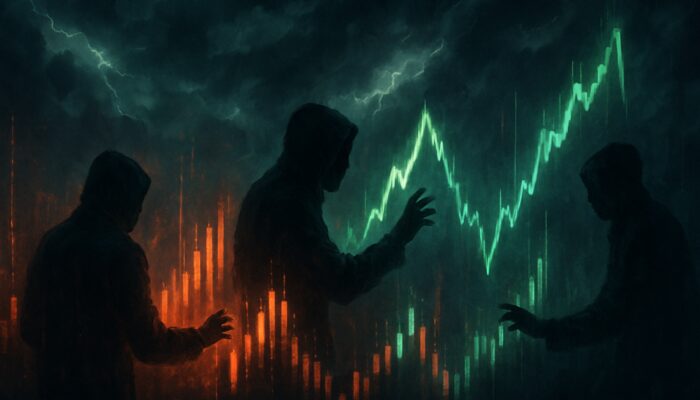
Real-world cases of spoofing provide critical insights into its disruptive effects on fair pricing mechanisms. For example, during times of heightened market volatility, traders using spoofing tactics can exert significant influence on price movements, diminishing participant confidence over extended periods. A thorough analysis of historical trading data can reveal price reversal patterns following spoofing incidents, highlighting broader implications for market integrity.
Case studies illustrate that markets impacted by spoofing often experience increased volatility and diminished liquidity. By scrutinising these instances, analysts can gain a deeper understanding of how manipulation undermines trust in financial markets, reinforcing the need for vigilant monitoring and regulatory action.
What Technological Tools Are Available for Surveillance?
Technological advancements have led to the creation of sophisticated surveillance tools designed to identify spoofing patterns. Cutting-edge algorithms and machine learning models analyse high-frequency trading data, allowing experts to pinpoint suspicious activities with greater precision. These tools provide valuable insights for developing software solutions that enhance detection capabilities and response times during volatile market conditions.
By adopting these technologies, trading firms can establish more effective surveillance frameworks, ensuring compliance with regulatory standards while promoting a transparent trading atmosphere. Continuous improvements to these tools are vital to keep pace with the ever-evolving tactics of spoofer traders.
What Preventive Strategies Can Be Employed?
To successfully combat spoofing, industry experts stress the importance of implementing comprehensive prevention strategies. These strategies should encompass order cancellation limits and real-time notifications that alert traders to potential manipulative activities. By establishing clear protocols, firms can discourage spoofing practices and advocate for transparency within their trading operations.
Cultivating a culture of compliance within organisations is equally important. Training initiatives aimed at identifying and reporting suspicious activities can equip employees with the knowledge necessary to uphold market integrity. Such measures contribute to creating a more reliable trading environment across global exchanges.
Understanding the Mechanisms Behind Spoofing Manipulation
How Does Order Placement Function in Spoofing?
The complexities of order placement in spoofing involve issuing false bids or offers across various price levels. Traders simulate interest in a particular asset by placing substantial orders that are later withdrawn in response to market movements. This practice utilises automated systems capable of executing orders rapidly and accurately, allowing manipulators to take advantage of fleeting market opportunities.
As the market reacts to these deceptive signals, unsuspecting traders may alter their positions based on perceived demand or supply. This manipulation can result in significant price fluctuations, benefiting the spoofer while potentially leading to losses for others. Grasping these mechanics is essential for traders aiming to navigate the complexities of contemporary financial markets.
What Insights Have Empirical Studies Revealed?
Quantitative research has shed light on the connections between spoofing events and subsequent price reversals. Studies indicate that markets experiencing spoofing activities often show increased volatility, detrimentally affecting overall market efficiency metrics. These findings underscore the necessity for enhanced surveillance protocols among exchanges and regulatory bodies to mitigate the fallout from manipulative practices.
By analysing empirical data, researchers can uncover patterns linking spoofing to broader market dynamics. This analysis not only informs regulatory measures but also equips traders with the insights needed to identify and respond to potential manipulation as it unfolds.
What Do Data-Driven Insights Indicate About Spoofing Activity?
Data-driven studies offer quantifiable evidence of the impact on market volatility when spoof orders dominate depth charts. The presence of such orders can create artificial liquidity, leading to distorted pricing mechanisms that challenge market efficiency. These revelations have prompted calls for regulatory bodies to implement improved surveillance measures to effectively identify and deter spoofing practices.
As markets become increasingly interconnected, the consequences of spoofing extend beyond individual transactions. The cumulative effects on market stability necessitate a proactive regulatory approach to monitoring, ensuring that manipulative tactics do not erode confidence in financial systems.
How Can Metrics Be Evaluated for Spoofing Activity Levels?
Evaluating spoofing activity levels requires careful selection of metrics that accurately reflect manipulative behaviours. Key metrics may include the frequency of order cancellations, the ratio of large orders to executed trades, and the duration for which orders remain active before being cancelled. These indicators can provide valuable insights into potential spoofing activities and help traders recognise manipulation patterns.
By employing a combination of these metrics, analysts can develop a comprehensive understanding of spoofing dynamics within specific markets. This knowledge can inform both trading strategies and regulatory responses, empowering stakeholders to effectively combat manipulation.
What Are Layering Techniques in Spoofing?
Layering techniques involve placing multiple orders at different price points to create a misleading impression of market depth. Traders using this strategy can deceive other market participants into reacting in ways that benefit the spoofer’s position, only to swiftly cancel the orders thereafter. This manipulation can severely compromise market integrity and participant trust.
Utilising layering can escalate volatility, as unwary traders may enter or exit positions based on the misleading signals generated by these orders. Understanding the mechanics of layering is vital for traders seeking to navigate complex market conditions and safeguard their interests against potential manipulation.
Research-Based Insights into Spoofing Market Manipulation
What Are the Legal Repercussions of Spoofing?
Clarifying Regulatory Definitions Surrounding Spoofing
Regulatory authorities classify spoofing as prohibited conduct under securities laws, imposing severe penalties on offenders. These penalties can range from fines and trading bans to potential criminal charges, depending on the intent and extent of the deceptive practices employed. The legal framework governing spoofing aims to uphold market integrity and protect investors from manipulative tactics.
Comprehending these legal consequences is essential for traders navigating global markets. Familiarity with the regulatory landscape helps individuals and firms evade potential pitfalls linked to spoofing, ensuring compliance with relevant laws and fostering a fair trading environment.
What Detection Tools Should Be Employed?
- Real-time order monitoring systems.
- Algorithmic trading analysis tools.
- Market surveillance software.
- Order book analysis platforms.
- Automated alerts for suspicious activities.
Utilising effective detection tools is crucial for identifying spoofing market manipulation. These tools can analyse trading patterns and highlight unusual activities that may suggest manipulative behaviour. By leveraging advanced technology, firms can improve their ability to swiftly identify and respond to potential spoofing incidents.
How to Establish Robust Compliance Protocols?
To mitigate the risks associated with spoofing, firms should develop comprehensive compliance protocols. This process involves conducting internal reviews and implementing training programs aimed at the early detection of suspicious patterns. By fostering a culture of compliance, organisations can ensure that employees are equipped to promptly report potential manipulations to regulatory authorities.
Timely reporting is vital for effective regulatory intervention, as it allows authorities to address manipulative activities before they escalate. By prioritising compliance, firms can contribute to a more transparent and trustworthy trading environment.
What Mitigation Techniques Can Be Applied?
Implementing filters that reject or flag potentially manipulative orders serves as an effective measure for mitigating the effects of spoofing. These filters can evaluate incoming orders against established criteria, ensuring that suspicious activities do not negatively impact live market conditions. By adopting such measures, firms can shield their trading environments from the repercussions of manipulation.
Educating traders about the indicators of spoofing and the significance of compliance can nurture a culture of vigilance. This proactive approach can significantly diminish the likelihood of manipulation affecting market integrity and participant confidence.
Proactive Strategies for Addressing Spoofing Market Manipulation
Why Is It Vital for Traders to Understand Market Manipulation?
Enhancing Awareness of Manipulative Practices
Education about market manipulation techniques is crucial for traders aiming to protect their investments. By grasping the intricacies of spoofing and other manipulative practices, individuals can identify and sidestep pitfalls that could lead to unexpected losses or regulatory scrutiny. Awareness empowers traders to make informed decisions in competitive trading environments.
Understanding manipulation tactics fosters a more ethical trading atmosphere. As traders grow more knowledgeable, they are less likely to engage in or fall victim to deceptive practices, promoting a healthier market ecosystem for all participants.
How to Integrate Technological Solutions Effectively?
Advanced software solutions are essential for continuously monitoring order cancellations and imbalances. By incorporating these technologies into trading operations, firms can receive alerts that support maintaining orderly markets. Proactive measures can be taken to address potential manipulation before it negatively impacts market conditions.
Utilising technology enhances traders’ capabilities to respond effectively to suspicious activities. This integration not only boosts compliance but also fosters confidence among market participants, reinforcing the integrity of the trading environment.
What Focus Areas Should Training Programs Cover?
Training programs for traders should concentrate on recognising suspicious activities, understanding regulatory obligations, and applying best practices for compliance. Interactive workshops, case studies, and simulations can offer practical insights into identifying spoofing and other manipulative tactics.
Ongoing education is also essential for keeping traders informed about evolving market dynamics and regulatory changes. By nurturing a culture of continuous learning, organisations can equip their teams with the necessary skills to confidently navigate complex trading environments.
How to Establish Strong Policy Frameworks?
Organisations should implement clear guidelines that discourage deceptive behaviours while promoting transparency in all order submissions and executions. Developing a robust policy framework can help cultivate a culture of compliance and ethical trading practices among employees.
These policies should explicitly outline the consequences of engaging in manipulative activities, ensuring that all participants understand the importance of maintaining market integrity. By fostering a transparent trading atmosphere, firms can contribute to a fairer marketplace for all.
What Risk Mitigation Strategies Should Be Employed?
Understanding market manipulation allows traders to effectively safeguard their portfolios. By identifying suspicious activities early, traders can adjust their strategies to avoid losses stemming from manipulated market conditions and volatility spikes. Implementing risk mitigation strategies, such as diversification and stop-loss orders, can further enhance portfolio protection.
Promoting awareness of manipulation tactics encourages ethical trading practices. Traders prioritising integrity are less likely to engage in deceptive behaviours, contributing to a more trustworthy trading environment for all participants.
How to Foster Ethical Trading Practices?
Education on market manipulation cultivates adherence to fair trading standards, minimising the risk of inadvertent involvement in illicit schemes. By advocating for ethical trading practices, individuals contribute to a more trustworthy trading environment, thus enhancing overall market integrity.
Organisations play a pivotal role in establishing clear ethical guidelines and promoting transparency in all trading activities. This commitment to ethical behaviour benefits individual traders while strengthening the overall framework of the financial market.
Preventive Measures for Trading Environments
What Future Trends Are Anticipated in Regulatory Oversight?
Innovations in Surveillance Technology
Emerging applications of artificial intelligence promise enhanced accuracy in detecting complex spoofing schemes. By utilising pattern analysis and predictive modelling techniques, regulators can improve their surveillance capabilities, enabling them to identify manipulative practices more effectively.
As technology advances, so too will the strategies employed by regulators to combat spoofing. The integration of AI into surveillance systems signifies a major leap forward in preserving market integrity and protecting investors from deceptive practices.
How Will Regulatory Enforcement Evolve Over Time?
As financial markets become more sophisticated, enforcement strategies must also adapt. Regulatory authorities are likely to strengthen partnerships with technology firms and data analytics companies to develop more effective detection tools. This evolution will enable them to respond swiftly to emerging manipulation tactics.
The emphasis on global regulatory harmonisation will likely shape enforcement strategies. As markets grow increasingly interconnected, coordinated actions among regulatory bodies will be essential for tackling spoofing and other manipulative practices that span national borders.
What Collaborative Opportunities Exist Within the Industry?
Stakeholders in the financial sector are actively seeking collaboration opportunities to bolster defences against market manipulation. Shared databases and standards can facilitate information exchange among regulators, exchanges, and trading firms, enhancing collective efforts to combat spoofing while ensuring legitimate market activities remain unhindered.
By fostering collaboration, the financial industry can create a more comprehensive approach to addressing manipulation. This united effort will not only improve detection capabilities but also cultivate a culture of transparency and integrity within the markets.
How Is Global Regulatory Harmonisation Progressing?
As financial markets continue to intertwine, the push for globally harmonised regulatory frameworks is gaining traction. This trend enables authorities to coordinate actions effectively against sophisticated manipulation tactics that transcend multiple regions and asset classes. By aligning regulations, regulators can bolster their ability to address spoofing and other forms of market manipulation.
Global regulatory harmonisation efforts also promote consistency in enforcement, reducing the potential for regulatory arbitrage. As markets evolve, the significance of coordinated actions among regulators will be crucial in upholding market integrity and safeguarding investors.
Frequently Asked Questions
What constitutes spoofing market manipulation?
Spoofing market manipulation involves placing deceptive orders to influence market prices without the intention of fulfilling them, thereby creating false signals regarding supply and demand.
How does spoofing affect market integrity?
Spoofing undermines market integrity by distorting price discovery and eroding trust among participants, leading to inefficiencies and heightened volatility.
What legal repercussions can result from spoofing?
Regulatory authorities classify spoofing as illegal conduct, imposing fines, trading bans, and potential criminal charges depending on the severity of the manipulation.
How can traders detect spoofing activities?
Traders can identify spoofing by monitoring order flows for large orders that appear and vanish rapidly, along with employing advanced surveillance tools to uncover unusual patterns.
What are common tactics used in spoofing?
Frequent spoofing tactics include placing large orders at various price levels, layering orders to create a false sense of market depth, and quickly cancelling orders following market reactions.
How can firms mitigate risks associated with spoofing?
Firms can mitigate spoofing risks by setting order cancellation limits, implementing real-time alerts for suspicious activities, and fostering a culture of compliance among employees.
What role does technology play in identifying spoofing?
Technology is crucial in detecting spoofing through advanced algorithms and machine learning models that analyse trading data to reveal suspicious patterns.
Why is trader education on spoofing important?
Education enables traders to recognise manipulative tactics, helping them avoid pitfalls that could lead to losses or regulatory scrutiny in competitive trading environments.
What future trends are anticipated in regulatory oversight of spoofing?
Future trends include enhanced collaboration among regulators, the integration of AI into surveillance systems, and global regulatory harmonisation efforts to effectively combat spoofing.
How can traders reduce risks associated with spoofing?
Traders can reduce risks by employing diversification strategies, establishing stop-loss orders, and staying informed about market manipulation tactics to adjust their strategies accordingly.
Visit our Facebook page for more insights!
The Article Market Manipulation Spoofing: Key Facts Uncovered Was Found On https://limitsofstrategy.com
References:
Https://limitsofstrategy.com/market-manipulation-spoofing-key-facts-uncovered/