Why Protein is Essential for Speeding Up Recovery
How Balanced Meals Contribute to Effective Recovery

Balanced meals are vital for effective recovery after workouts. They provide the necessary macronutrients that help restore energy and assist in tissue repair. A well-structured meal typically combines proteins, carbohydrates, and healthy fats, catering to a variety of dietary preferences and lifestyles.
For those who are active regularly, recognising the importance of macronutrient balance simplifies the meal-planning process. This understanding enables individuals to select nutritious, easy-to-prepare foods, alleviating the stress associated with post-exercise nutrition. Such a thoughtful approach guarantees that recovery is not only effective but also consistent, ultimately leading to improved training outcomes.
Balanced meals can be customised to align with specific training objectives and personal tastes. Whether the goal is to build muscle, lose weight, or boost endurance, a carefully considered combination of nutrients can significantly enhance recovery, resulting in better performance in subsequent workouts.
What Should You Eat Right After Exercising?
It is crucial to consume nutrient-rich foods immediately after exercising to kickstart the recovery process. Ideal post-workout options should be rich in proteins and carbohydrates, which work together to replenish glycogen levels and promote muscle repair. Excellent choices include a protein shake paired with a banana or a wholegrain chicken wrap.
Studies indicate that consuming these vital nutrients within a 30-minute to two-hour window after exercise significantly boosts recovery. This timely intake allows the body to effectively utilise the nutrients, enhancing performance and sustaining energy levels for future workouts. incorporating a variety of flavours and textures can make these meals more palate-pleasing, increasing overall satisfaction.
Adding healthy fats to your post-workout meals can further enhance the recovery process. Ingredients such as avocado or nuts deliver essential fatty acids that support overall health while enriching the flavour of meals. This comprehensive approach ensures that the body receives well-rounded nutrition after vigorous physical activity, facilitating quicker recovery.
Key Hydration Techniques for Optimal Recovery
Maintaining proper hydration is essential for effective recovery following workouts. Adequate fluid intake directly affects metabolic functions, aiding in the digestion and absorption of recovery nutrients from meals consumed after exercise. Dehydration can hinder performance and prolong recovery times, making it critical to drink enough fluids before, during, and after workouts.
Balancing electrolytes is also crucial for hydration, especially after intense workouts. Consuming beverages rich in electrolytes, such as sports drinks or coconut water, can help replenish lost minerals and maintain optimal bodily functions. This is particularly important during hot weather or extended exercise sessions.
Incorporating hydrating foods into post-workout meals can enhance rehydration efforts. Fruits and vegetables such as watermelon, cucumber, and oranges not only provide hydration but also offer essential vitamins and minerals. This holistic approach to hydration ensures that recovery is efficient and effective, supporting overall health.
Expert Recommendations for Crafting Effective Post-Workout Recovery Meals
Utilising Nutrient Timing to Enhance Recovery
Nutrient timing plays a pivotal role in maximising recovery results after exercise. Integrating proteins and carbohydrates into daily eating routines can significantly improve recovery, based on the physiological responses observed in active individuals. Consuming these nutrients at strategic intervals optimises muscle protein synthesis and effectively replenishes glycogen stores.
A practical strategy is to align meals with workout schedules. For instance, having a protein-rich snack ready to consume right after training can substantially initiate the recovery process. This might be something as simple as a protein bar or a pre-prepped smoothie, ensuring convenience and adherence to nutritional goals.
Understanding personal energy needs and adjusting portion sizes accordingly is essential. Those engaged in higher levels of activity may require more substantial meals post-exercise, while individuals participating in lighter activities might need a smaller intake. This flexibility allows for personalised nutrition that aligns with specific fitness objectives, ultimately enhancing recovery outcomes.
Effective Meal Combinations for Optimising Recovery
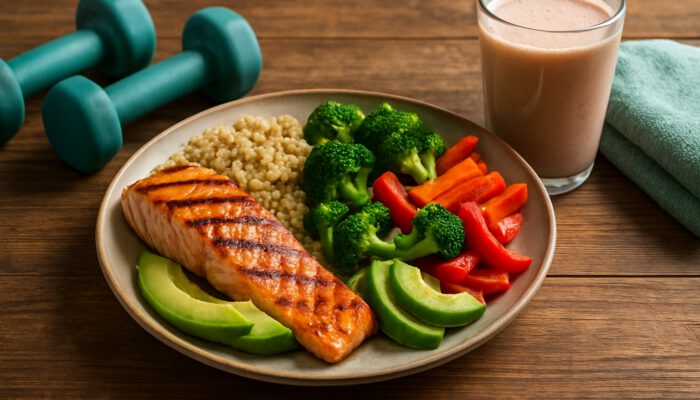
Real-world examples of effective post-workout meal combinations can simplify the recovery process. Simple yet nutritious options include grilled chicken with quinoa and steamed broccoli or a smoothie made with Greek yoghurt, spinach, and mixed berries. These combinations provide a balanced ratio of proteins and carbohydrates, essential for recovery.
Another popular option is a wholegrain wrap filled with turkey, avocado, and mixed greens. This meal delivers quality protein, healthy fats, and fibre, supporting sustained energy levels. Preparing these meals in advance can save time and ensure that nutritious options are always at hand after exercise.
For those who prefer plant-based options, consider a chickpea salad with mixed vegetables and tahini dressing. This meal is packed with protein and complex carbohydrates, making it an excellent recovery choice. Incorporating a variety of ingredients keeps post-workout meals engaging and enjoyable, enhancing adherence to nutritional goals.
Long-Term Strategies for Improved Performance and Recovery

Gradually refining post-workout nutrition can lead to improved endurance and reduced fatigue over time. Athletes who consistently enhance their recovery meals often experience better performance and quicker recovery times. This process involves experimenting with different foods and timings to discover what works best for their individual needs.
For example, an athlete might start by logging their meals and recovery results. By monitoring how various foods affect their energy levels and muscle soreness, they can make informed decisions about what to include in their post-workout meals. This trial-and-error approach fosters a deeper understanding of personal nutrition needs, leading to improved recovery.
Staying informed about the latest research in sports nutrition can provide valuable insights. Integrating new findings into meal planning can facilitate ongoing progress and adaptation. This commitment to continuous learning ensures that athletes remain at the forefront of effective recovery strategies.
What Makes an Effective Recovery Meal?
Understanding the Key Components of Recovery Meals
An effective recovery meal is built around essential components that replenish glycogen stores and stimulate muscle synthesis after physical exertion. Quality proteins, such as lean meats, fish, eggs, or plant-based alternatives, supply the necessary amino acids for muscle repair. These proteins should be complemented with complex carbohydrates to efficiently restore energy levels.
Complex carbohydrates, found in foods like whole grains, legumes, and starchy vegetables, are vital for replenishing glycogen. They provide sustained energy, which is crucial for athletes engaged in regular training. Including a variety of these carbohydrates ensures a broader range of nutrients while keeping meals appealing and satisfying.
Healthy fats also significantly contribute to recovery meals. Incorporating sources such as avocados, nuts, and olive oil can enhance the nutritional quality of meals. These fats promote overall health and help in the absorption of fat-soluble vitamins, making them a valuable addition to post-workout nutrition.
Guidelines for Portion Sizes in Recovery Meals
Understanding appropriate serving sizes is vital for preparing effective recovery meals. Overeating can cause discomfort and negate the benefits of nutrient timing, while inadequate intake may impede recovery. Knowing portion sizes helps ensure sufficient intake to support the body’s repair mechanisms triggered by intense workouts.
A general guideline suggests aiming for meals that contain approximately 20-30 grams of protein and a similar quantity of carbohydrates. This balance supports muscle recovery and glycogen replenishment. Using measuring cups or a food scale can help athletes familiarise themselves with portion sizes, promoting consistency in their nutrition.
Ultimately, individual requirements may differ based on factors such as body weight, activity level, and training goals. Adjusting portion sizes accordingly can help individuals discover their optimal recovery meal balance, ensuring they are well-fuelled for upcoming training sessions.
Adding Variety to Boost Nutrient Density
Including a diverse range of ingredients in recovery meals enhances overall nutrient density. A varied diet increases the intake of vitamins and minerals, benefiting not only recovery but also overall health. This approach combats nutrient deficiencies that may arise from repetitive meal patterns.
Incorporate a selection of colourful fruits and vegetables into post-workout meals. These foods are rich in antioxidants, which can help reduce inflammation and oxidative stress caused by intense exercise. Berries, leafy greens, and bell peppers are excellent options that can easily be added to smoothies or salads.
Experimenting with various protein sources can also introduce diversity. Switching between chicken, fish, legumes, and dairy provides a range of amino acids and keeps meals exciting. This commitment to variety not only supports recovery but also encourages long-term adherence to healthy eating habits.
Timing Your Recovery Meals for Optimal Benefits
Consuming a recovery meal promptly after training sessions is crucial for efficient nutrient utilisation. Eating within 30 to 60 minutes post-exercise promotes faster glycogen replenishment and muscle repair. This timing is particularly important for athletes engaged in high-intensity training cycles.
Research shows that the body’s metabolic rate increases immediately following exercise, making it an ideal time for nutrient absorption. This window enables optimal recovery, ensuring athletes are prepared for their next training session. Planning meals ahead can help guarantee that nutritious options are available when needed.
For individuals with busy schedules, preparing meals in advance can reduce the pressure of post-workout nutrition. Having ready-to-eat meals or snacks facilitates timely consumption, ensuring that recovery goals are met without added stress. This proactive approach supports ongoing performance and health.
Research-Backed Benefits of Post-Workout Recovery Meals
Discovering the Key Advantages for Muscle Repair and Recovery
- Accelerated recovery times
- Reduced muscle soreness
- Enhanced strength gains
- Improved muscle protein synthesis
- Better overall athletic performance
- Increased training frequency
- Lower risk of injury
- Greater consistency in training
Evidence suggests that adhering to structured nutrition protocols after workouts can lead to significant improvements in muscle repair. By consuming the right balance of nutrients, individuals can experience faster recovery times, reduced soreness, and enhanced strength gains. This structured approach enables consistent training without interruptions.
Strategic post-exercise eating patterns promote enhanced muscle protein synthesis. This process is critical for rebuilding muscle fibres damaged during workouts, leading to improved overall performance. As athletes consistently follow these nutritional strategies, they often notice increased training frequency and a lower risk of injuries.
Incorporating nutrient-dense foods into recovery meals not only aids muscle repair but also supports long-term health. By prioritising nutrition after exercise, individuals can create a positive cycle of training and recovery, resulting in continual progress in their fitness journeys.
Metabolic Benefits of Post-Workout Nutrition
Research confirms that strategic post-exercise eating patterns can lead to notable metabolic improvements. Enhanced fat oxidation and improved insulin sensitivity are two crucial outcomes of effective post-workout nutrition. These benefits support recovery while contributing to long-term body composition goals.
When individuals consume a balanced meal after exercise, they trigger metabolic processes that facilitate fat burning. This effect is particularly beneficial for those seeking weight loss or improved body composition. A well-timed post-workout meal helps shift the body’s focus towards fat utilisation.
Improved insulin sensitivity resulting from post-workout nutrition enhances overall metabolic health. This improvement aids in regulating blood sugar levels and decreases the risk of metabolic disorders. By prioritising nutrition after exercise, individuals can establish the foundation for long-term health benefits.
Strengthening Immune Function Through Proper Nutrition
Refueling after exercise plays a vital role in enhancing the immune system. Engaging in intense physical activity can raise inflammation markers, potentially compromising immune function. Consuming nutrient-rich recovery meals can help lower these markers and support overall health.
Integrating anti-inflammatory foods into post-workout meals can further boost immune support. Ingredients like berries, leafy greens, and nuts are known for their antioxidant properties, which help reduce oxidative stress. This approach not only aids recovery but also promotes overall health throughout the year.
By prioritising nutrition after exercise, individuals can strengthen their defenses against illness. A well-rounded recovery meal not only supports muscle repair but also contributes to overall well-being, ensuring athletes remain healthy and ready for their next training session.
How Does Timing Influence Recovery Results?
Assessing the Best Nutrient Timing Window
Eating meals within thirty to sixty minutes post-exercise maximises heightened metabolic rates for superior nutrient utilisation. This optimal window is essential for accelerating healing processes and fostering effective recovery. During this period, the body is primed to absorb nutrients, leading to quicker replenishment of glycogen stores.
Research indicates that the sooner individuals refuel after exercise, the better their recovery outcomes. This timeframe allows for enhanced muscle protein synthesis, crucial for rebuilding muscle fibres and supporting overall performance. Planning meals to fit within this window can maximise recovery benefits.
For athletes, adhering to this optimal timing can result in improved performance in subsequent workouts. By ensuring their bodies receive the necessary nutrients promptly, they can maintain high training intensities and achieve consistent progress in their fitness journeys.
The Impact of Delayed Nutrient Intake
Delaying post-workout meals can hinder muscle protein synthesis rates. Waiting too long may prolong recovery times and lead to performance plateaus if this habit persists. This can obstruct overall training progress and increase the risk of injuries.
Research suggests that muscle recovery significantly slows when meals are consumed outside the optimal window. Such delays can result in increased muscle soreness and fatigue, making it challenging for athletes to adhere to their training schedules. Recognising the importance of timely nutrition is crucial for anyone aiming to enhance performance.
To avoid the pitfalls of delayed intake, athletes should plan ahead. Preparing meals or snacks in advance ensures that nutritious options are readily available following workouts, promoting timely consumption. This proactive strategy supports ongoing recovery and performance improvements.
Flexible Meal Scheduling for Busy Lifestyles
Adjusting post-workout nutrition around personal commitments can still yield positive outcomes, provided total daily nutrition targets are met. While timing is critical, flexibility in meal scheduling can accommodate busy lifestyles without compromising recovery goals. This adaptability allows individuals to maintain their nutrition without unnecessary stress.
For instance, if an athlete cannot consume a recovery meal immediately after exercise, they can plan to have a nutritious snack within the next hour. This flexibility ensures that they still receive the nutrients needed for recovery, even if the timing is slightly off.
Ultimately, the key is to ensure total daily nutrition aligns with individual goals. By focusing on overall intake rather than rigid timing, athletes can find a balanced approach that supports recovery and performance sustainably.
Proven Techniques for Effective Post-Workout Recovery Meals
Practical Steps for Meal Preparation
Simple advance planning can ensure that post-workout meals are ready when needed, removing barriers to consistent adherence. Preparing meals ahead of time allows individuals to focus on their workouts without the added stress of post-exercise nutrition. This proactive approach maximises the physiological benefits gained from timely nutrient intake.
One effective strategy is to batch-cook meals during the week. Preparing larger quantities of recovery meals and storing them in portioned containers can save time while ensuring that nutritious options are readily available. This method not only simplifies meal preparation but also encourages adherence to healthy eating habits.
Keeping a well-stocked pantry with essential ingredients can facilitate quick meal assembly. Having items like frozen fruits, pre-cooked grains, and canned beans on hand makes it easy to whip up a nutritious post-workout meal in minutes. This flexibility supports ongoing adherence to recovery nutrition.
Guidance on Selecting Quality Ingredients
Choosing fresh and accessible ingredients is crucial for creating effective recovery meals. Fresh produce not only enhances flavour but also boosts the nutritional profile of meals. Shopping at local markets or grocery stores can ensure that individuals have access to high-quality ingredients for their post-workout nutrition.
When sourcing ingredients, consider seasonal produce for optimal freshness and flavour. Incorporating a variety of fruits and vegetables enhances the nutrient density of recovery meals. This variety not only supports recovery but also keeps meals interesting and enjoyable.
Prioritising whole food sources over processed options can yield significant health benefits. Whole grains, lean proteins, and healthy fats should be emphasised for their nutrient density. This approach encourages individuals to make informed choices that support their recovery goals.
Techniques for Monitoring Progress Effectively
Tracking responses to various post-workout nutrition strategies allows for adjustments that optimise individual results. Keeping a food journal or using mobile apps can help individuals monitor their meals and recovery outcomes. This data-driven approach promotes accountability and encourages adherence to nutrition protocols.
By noting how specific meals affect energy levels, muscle soreness, and overall performance, athletes can make informed adjustments to their nutrition plans. This continuous feedback loop fosters ongoing learning and adaptation, ensuring that individuals stay on track with their recovery goals.
Regular evaluations of progress help identify patterns and preferences in post-workout nutrition. This insight allows for tailored meal planning that aligns with personal needs and enhances recovery outcomes. Tracking progress is an invaluable tool for anyone dedicated to optimising their nutrition and training.
Which Foods Best Support Muscle Repair?
Identifying High-Quality Protein Sources
Lean meats, eggs, and dairy products are excellent protein-rich options that supply amino acids crucial for rebuilding damaged fibres after resistance or endurance training. These foods support muscle repair and promote strength and growth over time. Incorporating a variety of protein sources can enhance the overall nutrient profile of recovery meals.
For individuals following plant-based diets, options like lentils, chickpeas, and tofu offer high-quality protein. These alternatives can be equally effective in supporting muscle repair and growth. Pairing plant proteins with whole grains creates a complete amino acid profile, ensuring optimal recovery.
Including protein-rich snacks, such as Greek yoghurt or protein bars, provides a convenient way to meet post-workout protein needs. These options tend to be portable and easy to consume, making them ideal for busy individuals looking to optimise recovery.
Recognising Key Carbohydrate Sources
Whole grains, fruits, and vegetables are essential carbohydrate sources that replenish energy reserves depleted during physical activity. Including these foods in post-workout meals facilitates a quicker return to baseline performance levels. Carbohydrates play a vital role in recovery, ensuring that athletes are adequately fuelled for their next training session.
Examples of effective carbohydrate sources include brown rice, quinoa, sweet potatoes, and oats. These complex carbohydrates provide sustained energy and are high in fibre, which supports digestive health. Incorporating a variety of these foods enhances the overall nutritional quality of recovery meals.
Fruits such as bananas and berries also offer quick-digesting carbohydrates that can be beneficial immediately post-exercise. These options replenish glycogen stores while providing essential vitamins and minerals that support overall health and recovery.
Incorporating Anti-Inflammatory Ingredients for Enhanced Recovery
Berries, leafy greens, and nuts are excellent anti-inflammatory additions to post-workout meals. These foods are rich in antioxidants that help reduce oxidative stress and inflammation caused by intense physical activity. Including these ingredients can enhance recovery and promote overall well-being.
For instance, adding spinach or kale to smoothies boosts nutrient density while providing anti-inflammatory benefits. Similarly, topping oatmeal or yoghurt with mixed berries offers a delicious way to incorporate antioxidants into recovery meals. Nuts, such as walnuts and almonds, provide healthy fats and additional anti-inflammatory properties.
By prioritising anti-inflammatory foods, athletes can support their bodies in recovering from strenuous workouts. This approach not only aids in muscle repair but also contributes to long-term health, helping individuals maintain their training regimens without setbacks.
The Role of Omega-3 Fatty Acids in Recovery
Fatty fish, such as salmon, and plant-based sources like flaxseeds deliver omega-3 fatty acids that combat inflammation and promote muscle protein synthesis. These healthy fats play a crucial role in recovery, helping to reduce soreness and support overall health. Including omega-3-rich foods in post-workout meals can significantly enhance recovery outcomes.
For individuals who do not consume fish, chia seeds and walnuts are excellent plant-based alternatives that offer similar benefits. Incorporating these foods into recovery meals ensures individuals receive sufficient omega-3 fatty acids to support their health and recovery needs.
Omega-3 fatty acids have been shown to improve cardiovascular health and reduce the risk of chronic diseases. By prioritising these foods in post-workout nutrition, individuals can support their overall well-being while optimising recovery from exercise.
Boosting Recovery with Mineral-Rich Foods
Foods rich in magnesium, such as spinach, almonds, and bananas, facilitate proper muscle relaxation and contraction cycles. These minerals are essential for repairing micro-tears sustained during vigorous physical activities. Ensuring adequate magnesium intake can help reduce soreness and support optimal muscle function.
Incorporating magnesium-rich foods into post-workout meals can enhance recovery outcomes. For example, a smoothie made with spinach and banana provides a tasty way to boost magnesium intake while delivering other vital nutrients. This approach supports overall health and recovery.
Focusing on a varied diet that includes a range of minerals promotes long-term health. Prioritising nutrient-dense foods ensures individuals meet their mineral needs, supporting recovery and overall wellness.
Establishing Sustainable Nutrition Habits
The Significance of Consistency in Nutrition
- Compounded improvements in recovery quality
- Enhanced energy stability
- Increased motivation
- Greater adherence to training schedules
- Improved overall health
- Reduced injury risk
- Better long-term fitness outcomes
- Stronger commitment to nutrition
Sticking to a routine of post-workout nutrition leads to compounded improvements in recovery quality, energy stability, and motivation. Consistency fosters a positive cycle of enhanced training capacity, allowing individuals to achieve their fitness goals more effectively. By prioritising recovery meals, athletes can maintain their performance and overall well-being.
Establishing a routine around post-workout nutrition can minimise decision fatigue. Knowing what to eat after training streamlines meal planning and simplifies adherence to healthy eating habits. This predictability supports ongoing commitment to recovery and overall health.
Ultimately, building sustainable habits around post-workout nutrition can lead to long-term success in fitness journeys. By emphasising recovery and making informed choices, individuals can enhance their performance while fostering a positive relationship with food and nutrition.
Meal Preparation Techniques for Success
Efficiently organising ingredients and recipes saves time while ensuring the availability of suitable options for immediate consumption after workouts. Meal prepping can streamline post-workout nutrition, ensuring individuals have nutritious meals ready without added stress.
One effective technique is to designate a specific day each week for meal prepping. Preparing larger batches of recovery meals and portioning them into containers saves time during busy weekdays. This approach allows for quick access to meals after training without the hassle of cooking.
Organising ingredients in the pantry and fridge can facilitate quick meal assembly. Keeping commonly used items together and clearly labelled makes it easier to whip up nutritious options. This organisation promotes adherence to healthy eating habits and supports ongoing recovery efforts.
Customising Nutrition for Personal Preferences
- Tailoring portions based on body signals
- Ensuring ongoing suitability for individual goals
- Preventing plateaus in progress
- Enhancing overall meal satisfaction
- Supporting energy needs during training
- Improving recovery outcomes
- Fostering a positive relationship with food
- Encouraging mindful eating practices
Adjusting post-workout nutrition to suit personal needs is vital for maintaining suitability and preventing plateaus in progress. Tailoring portions and food selections based on body signals ensures individuals effectively meet their nutritional requirements. This personalised approach fosters a deeper connection with food and nutrition.
For instance, athletes may need to increase portion sizes during intense training phases or decrease them during lighter activity periods. Listening to the body’s signals helps individuals make informed decisions about their post-workout meals, ensuring adequate fuel for their physical activities.
Personalising post-workout nutrition can enhance overall meal satisfaction. Including preferred foods and flavours increases the likelihood of adhering to nutrition plans. This positive relationship with food supports long-term commitment to healthy eating habits and effective recovery.
Tracking Habits for Improved Results
Regularly using digital tools or simple logs to monitor daily habits provides valuable feedback on what works best. Tracking post-workout nutrition can help individuals refine their approaches and optimise their recovery results. This process encourages accountability and adherence to nutrition protocols.
Utilising apps or journals to document meals and recovery outcomes allows individuals to identify patterns in their post-workout nutrition. This insight can inform future meal planning and enable individuals to make adjustments that enhance their recovery efforts. Tracking progress is a valuable tool for anyone dedicated to optimising nutrition and training.
Habit tracking can serve as motivation through visible progress markers. Observing improvements in recovery quality and performance reinforces the importance of nutrition in achieving fitness goals. This positive feedback loop encourages ongoing commitment to healthy eating habits and training protocols.
Common Questions About Recovery Nutrition
What constitutes a post-workout recovery meal?
A post-workout recovery meal is a structured meal consumed after exercise to replenish nutrients lost during physical activity. It typically includes proteins and carbohydrates to support muscle repair and glycogen replenishment.
How soon should I eat after exercising?
It is advisable to consume a recovery meal within 30 to 60 minutes after exercising. This timeframe optimises nutrient absorption and promotes effective recovery.
Which foods are optimal for muscle recovery?
Foods rich in protein, such as lean meats, eggs, and dairy, along with complex carbohydrates like whole grains and fruits, are excellent choices for muscle recovery.
Is it acceptable to skip my post-workout meal?
Skipping your post-workout meal can hinder recovery and performance. It is critical to refuel after exercise to support muscle repair and replenish energy stores.
How much protein do I need after a workout?
Aim for approximately 20-30 grams of protein in your recovery meal. This amount supports muscle repair and growth following intense exercise.
Are smoothies a suitable post-workout option?
Yes, smoothies can be an excellent post-workout choice. They can be easily packed with protein, carbohydrates, and nutrients, making them convenient and effective for recovery.
How important is hydration after exercise?
Hydration is essential for recovery. Replenishing fluids lost during exercise helps maintain optimal metabolic functions and supports nutrient absorption.
Can I eat anything after working out?
While you can technically eat anything, it is best to choose nutrient-dense foods that provide the necessary proteins and carbohydrates for optimal recovery.
What are some quick post-workout snacks?
Quick post-workout snacks include Greek yoghurt with fruit, a protein bar, a banana with nut butter, or a smoothie made with protein powder and berries.
How can I simplify meal prep for post-workout meals?
To make meal prep easier, batch cook meals ahead of time, maintain a well-stocked pantry, and organise ingredients for quick assembly. This approach ensures nutritious options are readily available.
Check out our Facebook profile, mate!
The post post-workout recovery meal ideas: Fuel Your Body Right appeared first on https://cookinggods.com
The Article Post-Workout Recovery Meal Ideas for Optimal Fuel Was Found On https://limitsofstrategy.com