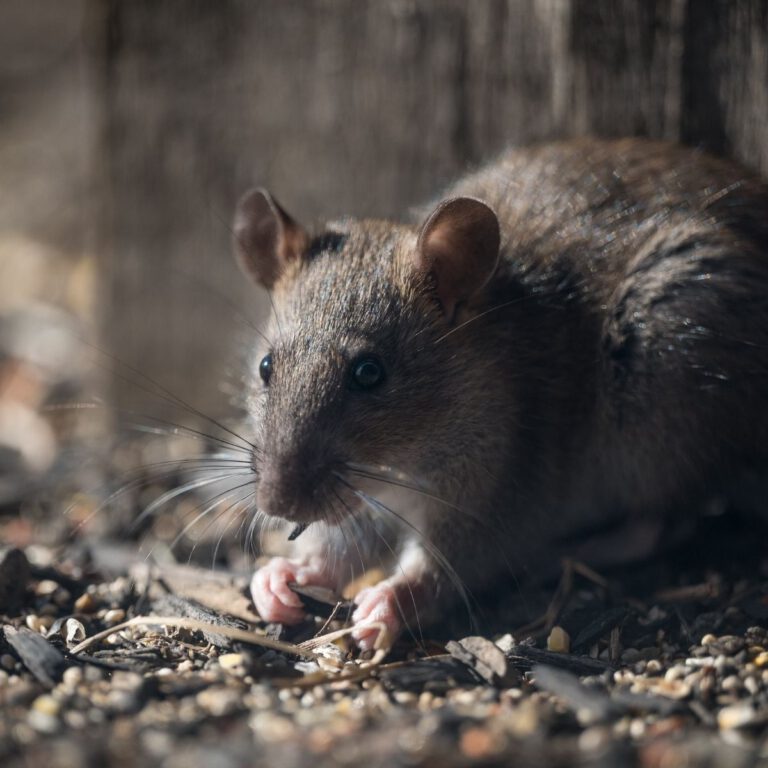
The most effective method for managing rodent infestations, including rats and mice, focuses on preventing their entry rather than relying solely on poison. Adopting this proactive strategy is essential for any Sydney household, particularly following the removal of the most effective rat baits from supermarket and hardware store shelves.
This guide outlines comprehensive steps to rodent-proof your home and offers valuable insights into how professional pest control services can significantly bolster your efforts.
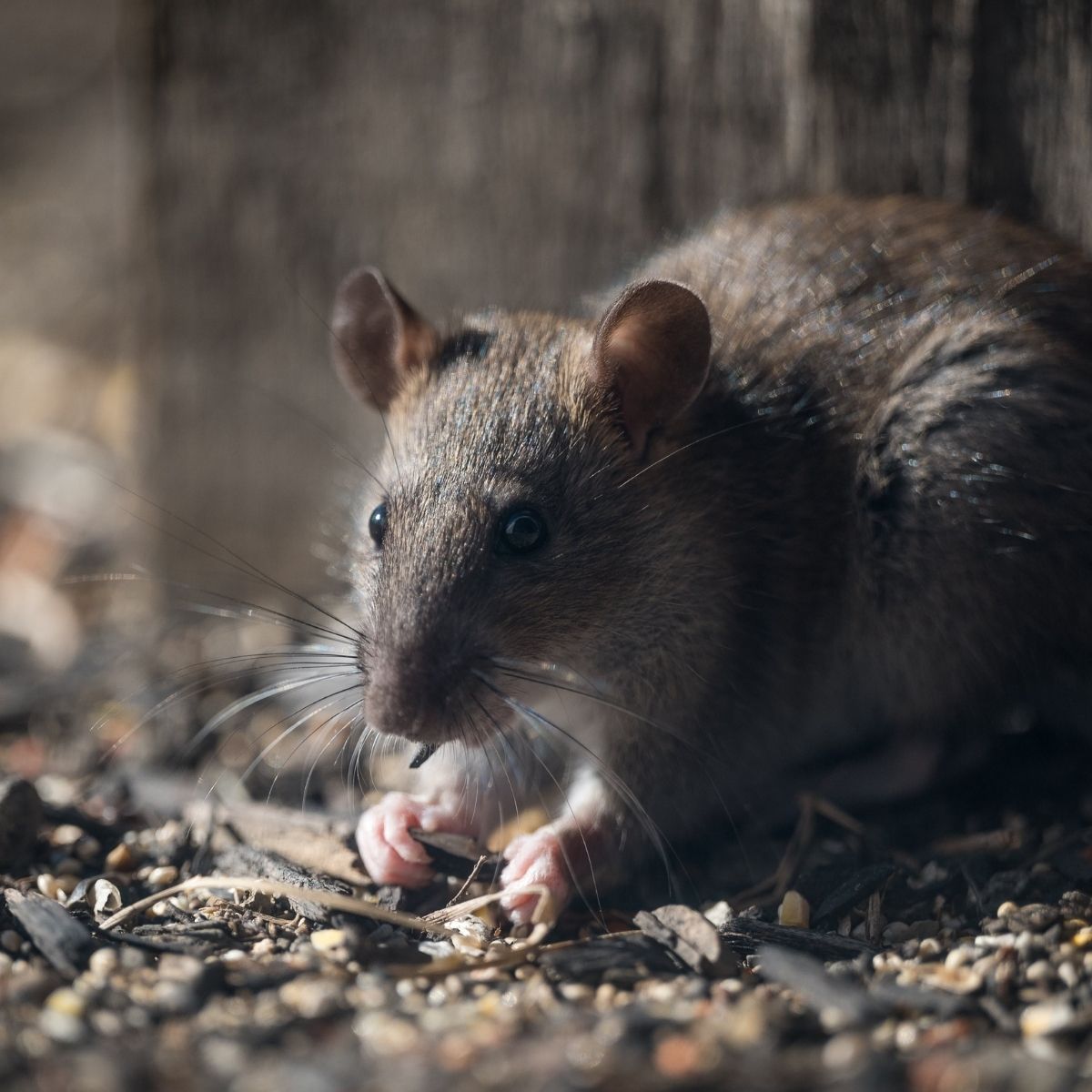
Why Focusing on Rodent Prevention is More Effective than Poison
Although poison can eliminate existing rats in your home, it does not prevent new ones from entering. If you overlook existing gaps, you will continue to face the same infestation challenges year after year.
There are broader environmental concerns to consider too. In 2026, the Australian government imposed restrictions on retail rat baits due to their detrimental effects on non-target wildlife, including owls, native predators, and pets that may ingest poisoned rodents. By prioritising rodent-proofing, you can mitigate these environmental risks. Sealing your home eliminates the need for poison, representing a more humane and effective approach to managing rodent populations.
The sequence of actions is crucial: secure your home first, and then consider baiting only in areas where it is genuinely necessary.
How to Identify and Secure Entry Points — Focus on the Gaps
Mice can squeeze through openings as small as 6mm, while rats can fit through gaps roughly the size of a thumb. Your first task is to identify and effectively seal these potential entry points.
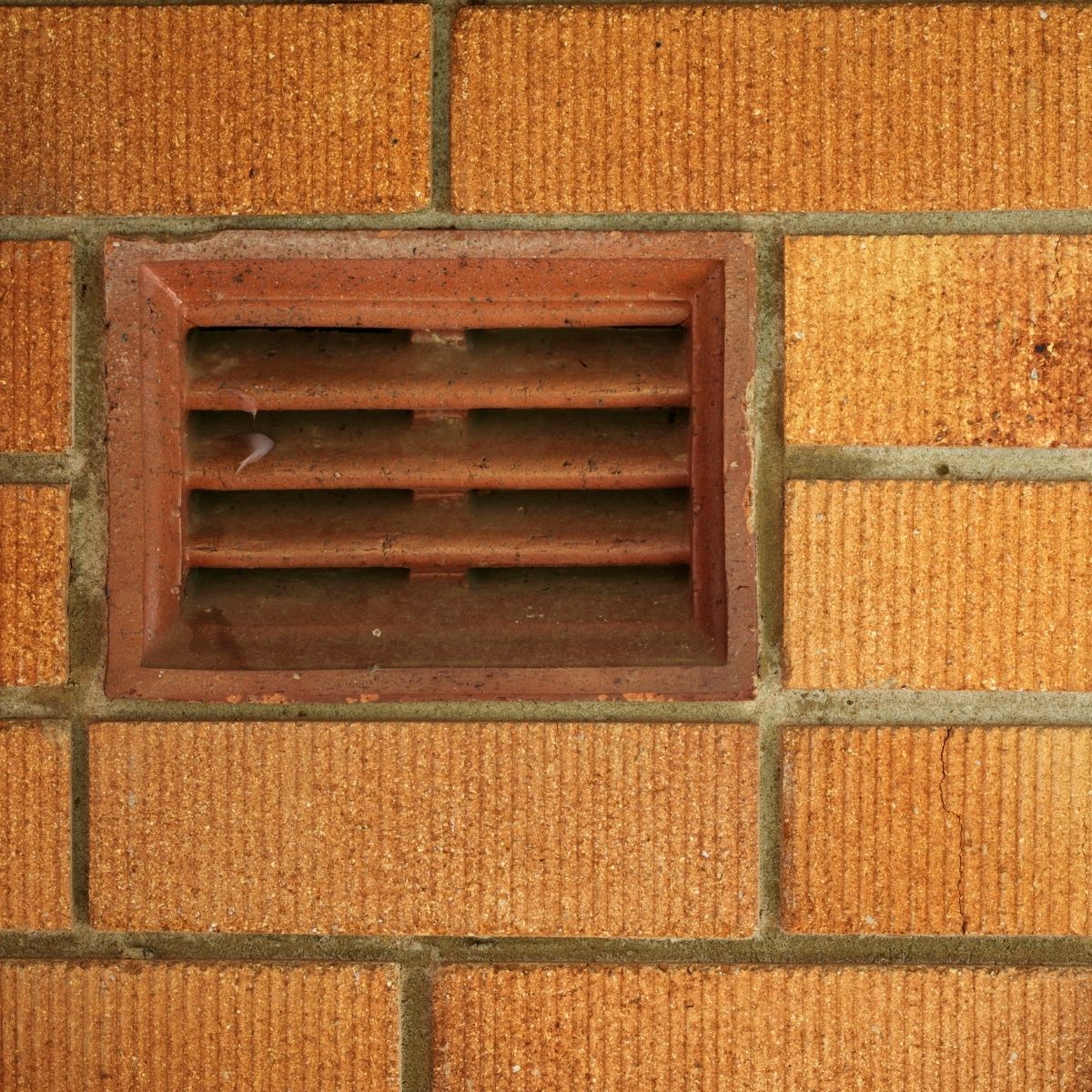
Addressing Weep Holes in Brickwork
Weep holes in brick structures commonly serve as entry points for rodents. Plastic covers can be easily chewed through. We recommend installing metal weep hole covers which allow for wall ventilation while keeping rodents out.
Sealing Gaps Under Doors and Vents
The gaps beneath external doors rank among the leading entry points for rodents. Installing door seals or sweeps can effectively address this issue. Eave, gable, and subfloor vents should be secured with steel mesh to ensure airflow while preventing pests from entering.
Inspecting Roofs, Eaves, and Plumbing Pipes
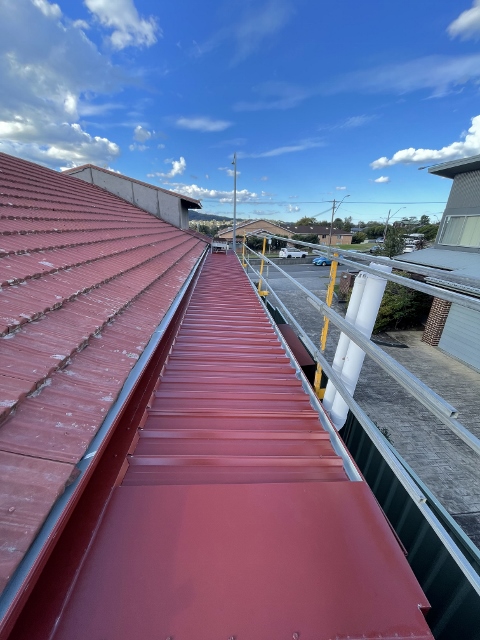
The roof void is a major concern for rat infestations in Sydney. Inspect for lifted tiles, gaps where eaves connect to walls, and openings caused by plumbing or electrical conduits. Avoid using expanding foam or steel wool, as these materials can be easily chewed or corrode over time. Instead, opt for stainless steel mesh and high-quality sealant for durable results.
Preventing Rodent Infestation by Eliminating Pathways
Rodents are not confined to ground-level entry; they are exceptional climbers.
- Trim Overhanging Branches. Trees that touch the roofline provide a direct route into your gutters and roof void.
- Secure Climbing Aids. Drainpipes, verandah posts, and cables along walls can act as ladders for rodents.
- Remove Food Sources. Avoid leaving pet food outside, store dry goods in airtight containers, and ensure rubbish bins are tightly closed.
- Declutter Your Environment. Sheds, wood piles, and ground boxes can create ideal nesting areas for rodents.
The Critical Step Often Overlooked — Accurately Identifying Rodent Entry Points
Many guides on rodent-proofing instruct readers to “find the entry points,” but few provide effective methods for accomplishing this. Most homeowners only seal visible gaps, hoping they have targeted the correct areas.
This is where precise monitoring becomes vital—not to trap rats indefinitely, but to accurately identify where to seal to prevent their return. We can set up monitored bait stations or traps in strategic locations, but the primary goal remains clear: eliminate the root issue instead of relying on ongoing management.
Our innovative Bluetooth-monitored bait stations track rodent activity, revealing where they are entering and moving. This approach transforms rodent-proofing from a guessing game into a targeted strategy: we seal the actual entry points being used instead of attempting to block every possible gap in the building.
For most residential properties, a thorough inspection and effective proofing will be adequate. In upscale properties, where a precise and lasting solution is desired, the monitored approach proves to be a wise investment.
Addressing Rodent Management in Restaurants and Commercial Spaces
For cafés, restaurants, and other food establishments, this monitoring technology is revolutionary. The presence of rodents can lead to significant financial losses, and guesswork is not an option. The Bluetooth stations provide accurate data on rodent activity, allowing us to proof the premises to a high standard and maintain records that can withstand council inspections. (Explore our commercial and hospitality pest control services.)
Understanding the Increasing Rodent Populations in Areas like Box Hill
Certain suburbs in Sydney are currently encountering more severe rodent challenges. Box Hill is a prime example—extensive subdivisions and construction activities disrupt the habitats of these rodents, driving them into nearby homes. If you live in a development-heavy area, rodent-proofing should not be delayed. Taking action now is wise to prevent them from invading your space.
When is Professional Baiting Required — Implementing it Effectively
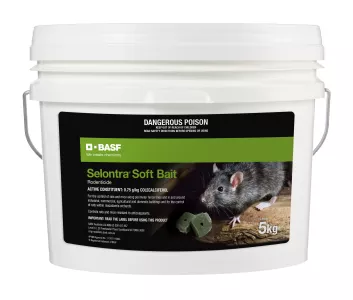
In some situations, proofing alone may not suffice, leading to the need for professional baiting. We utilise Selontra, a professional-grade product that is unaffected by retail restrictions. Its “stop-feed” mechanism means that rodents cease feeding within approximately one day, allowing for a quicker and more efficient resolution.
This is part of a comprehensive management programme—using monitored stations that are regularly checked and replenished, rather than leaving bait unattended in your roof. This product is exclusively handled by licensed technicians due to its associated risks and is not available in supermarkets. (For additional information on bait regulations, refer to our guide on the new rat bait laws.) You can also discover our complete rodent control service.
Common Questions About Rodent-Proofing
How do mice and rats find their way into homes?
Mice can fit through gaps as small as 6mm, while rats can enter spaces the size of a thumb. Common entry points include weep holes, gaps beneath doors, unscreened vents, lifted roof tiles, and holes where pipes pass through walls. Climbing routes like overhanging branches and drainpipes allow them to access roofs. Sealing these openings is crucial for effective rodent-proofing.
What is the most effective long-term solution for keeping rats out?
Exclusion, which entails sealing every potential entry point, is the only method that guarantees long-term prevention of rats. While poison may reduce existing rodent populations, it does not prevent new ones from entering. Using metal weep hole covers, door seals, vent mesh, and trimming back branches is far more effective than relying solely on bait. Prioritise securing your home and only use bait where absolutely necessary.
Are metal weep hole covers effective?
Absolutely. Weep holes are common entry points in Sydney’s brick residences, and plastic covers can be easily chewed through. Metal covers prevent rodents from entering while allowing for necessary ventilation and moisture drainage. They are among the most effective measures you can implement for rodent-proofing a brick home.
Can you accurately identify where rodents are entering my property?
Yes, we utilise Bluetooth-monitored bait stations to track rodent activity and movement. This allows us to pinpoint actual entry points rather than relying on assumptions. This method is particularly beneficial for restaurants and commercial properties, as well as homeowners seeking a precise solution. Contact So Pest Off at 0410 244 244 to schedule an inspection.
Is it too late to rodent-proof if I already have an infestation?
No, but you will likely need to implement baiting alongside proofing. Sealing your home will prevent additional rodents from entering, while a managed baiting programme addresses those already inside. Relying solely on one approach can lead to recurring issues—our strategy combines both methods for a comprehensive solution.
Key Strategies for Successful Rodent Management
Effectively keeping rats out requires three essential steps: sealing gaps, eliminating climbing pathways, and using bait only when absolutely necessary. Following this order ensures you do not depend on poison to resolve an ongoing problem.
For thorough and effective rodent-proofing, and to accurately identify entry points, reach out to So Pest Off at 0410 244 244.
Original Article First Published At: How to Rodent-Proof Your Home — The Safer Way to Keep Rats Out
The Article: Rodent-Proof Your Home: Effective Tips to Keep Rats Out first appeared on https://writebuff.com
The Article Rodent-Proof Your Home: Top Tips to Keep Rats Away Was Found On https://limitsofstrategy.com