Have you discovered that your taps are only delivering cold water? Did you check your gas hot water system and find that the pilot light has gone out? Before you contact a plumber, there are several simple checks you can perform on your own that may resolve the issue.
Not every situation requires the expertise of a plumber. In New South Wales, gas work is strictly regulated, and attempting tasks beyond your skill level can be dangerous. This guide will provide you with a detailed, step-by-step approach to safely assess your hot water system at home. You will learn how to identify key indicators of the problem and determine when to enlist the help of a licensed gas fitter.
Prioritise Your Safety: Essential Checks Before Proceeding
Before you touch any part of your hot water system, carry out these three crucial checks. They are quick, taking less than a minute, and are vital for your safety.
1. Detect Any Gas Odours.
Approach your hot water system and take a moment to assess the air around it. While natural gas is odourless, suppliers add a chemical called mercaptan, which produces a distinct smell similar to rotten eggs. If you detect this odour, even faintly, stop immediately. Do not attempt to relight the unit. If it is safe to do so, turn off the gas supply at the meter, evacuate the area while leaving doors and windows open, and contact the gas emergency line or call 000 from a safe distance.
This response is not an overreaction. Although gas leaks are uncommon, they can be extremely serious. Always perform this check as a first step.
2. Inspect the Area Surrounding the Unit.
Look for any signs of water pooling at the base of the unit. Are there scorch marks or visible damage to the flue pipe or casing? Any irregularities, such as corrosion, loose panels, or burn marks, indicate that you require professional assistance. Do not attempt to investigate further on your own.
3. Confirm Proper Ventilation.
Gas hot water systems need adequate airflow to operate safely. If there are any obstructions around the unit—such as stacked boxes, garden furniture, or tarps—remove them immediately. Blocked ventilation can cause incomplete combustion, leading to the production of carbon monoxide. This gas is both invisible and odourless, making it essential to maintain a clear area around your appliance as a simple but effective safety measure.
If you have successfully completed all three checks, you can now proceed to inspect the more straightforward aspects of the system.
Is Your Gas Supply Functioning Correctly?
This may seem obvious, but it is a step that many people overlook.
Your gas hot water system features an isolation valve, which is a small tap or lever on the gas line leading to the unit. This valve is typically located within a metre of your system. Ensure that it is in the open position. Generally, the handle aligns parallel to the gas line when open and is perpendicular when closed.
If your home uses mains gas, check the gas meter as well. Some meters include a main shut-off valve that could have been accidentally turned off, possibly during maintenance work or by a previous tenant.
If you rely on LPG bottles, gently shake the bottle to see if it is empty. If it feels light, switch to your reserve bottle (most LPG systems have two) and turn on the valve. If both bottles are empty, you have identified the issue—contact your LPG supplier for a refill, not a plumber.
This simple initial check resolves about ten percent of the “my pilot light won’t work” queries we receive across Sydney. A quick inspection of the valve can save you the expense of a service call.
Follow the Manufacturer’s Relighting Instructions for Your Unit
All gas hot water systems sold in Australia come with specific relighting instructions printed on the unit itself, typically on a label on the front panel or inside the access door. Read these instructions carefully, as they are tailored for your particular brand and model, and the steps may differ.
Here’s a general overview of the relighting process, but always prioritise your unit’s specific instructions:
- Set the gas control knob to the OFF position. Wait a full five minutes to allow any residual gas in the burner compartment to dissipate. This step is crucial and should not be skipped.
- Turn the knob to the PILOT position.
- Press and hold the knob down (some models have a separate pilot button; refer to your label).
- While holding the knob down, press the piezo igniter button. You should hear a click and see a small flame through the viewing window. If your unit does not have an igniter, use a long-reach barbecue lighter at the pilot opening.
- Continue holding the knob for 30 to 60 seconds to heat the thermocouple, which is the safety sensor that signals the gas valve to remain open.
- Gradually release the knob. If the pilot remains lit, turn the knob to ON and set your desired temperature.
That’s all there is to it. If successful, run a hot tap for a few minutes to ensure the water heats up. If it does, you have successfully relit the pilot light, and a plumber is not necessary.
If the pilot light fails to stay lit after two or three attempts, stop. Avoid making further attempts. An internal component may have malfunctioned, and at this point, you should call a licensed gas fitter.
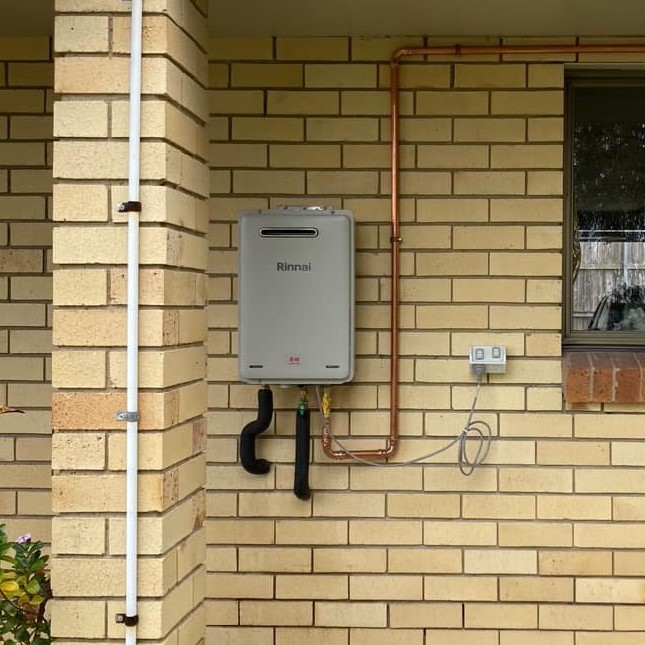
Assess the Pilot Flame Condition (If It Lit)
If you successfully ignited the pilot, even if only briefly, observe the flame through the viewing window. This can provide vital insights into the unit’s condition.
Normal pilot flame: A healthy pilot flame is small, steady, predominantly blue with a slight yellow tip. The flame should touch the thermocouple (the thin metal rod nearby). If this is the case, your system is functioning correctly.
Weak or flickering flame: If the flame appears small, unsteady, or flickering, the pilot burner orifice may be partially obstructed by dust or debris. This is a common issue in Sydney homes, particularly in heavily wooded areas like Wahroonga, Turramurra, and Beecroft, where insects and spiders can invade the burner compartment. Cleaning the orifice should be performed by a qualified gas fitter.
Yellow or orange flame: A pilot flame that is entirely yellow or orange instead of blue indicates incomplete combustion, which can produce carbon monoxide. Do not ignore this warning. Turn off the unit at the gas isolation valve and get in touch with a licensed gas fitter.
Flame ignites but extinguishes immediately after releasing the knob: This scenario typically indicates a problem with the thermocouple. It may be worn out and unable to produce the necessary electrical signal to keep the gas valve open. This is the most common pilot light issue we encounter, and a gas fitter can easily repair it.
Consider the Placement of Your Hot Water Unit
The location of your hot water system is important. A quick inspection of its surroundings can help identify why the pilot light has gone out.
Wind exposure: Is the unit located in an area frequently affected by wind? Common locations include side passages between houses, under eaves that channel gusts, or near open carports. If you reside in a suburb exposed to winds from the harbour or coast, such as Manly, Cronulla, Maroubra, or anywhere along the Northern Beaches, wind can easily extinguish the pilot light. Installing a draught guard around the burner compartment can help prevent this problem.
Debris accumulation: Check for leaves, cobwebs, or dirt around the base or inside the access panel. These can obstruct airflow and partially block the burner. If you see any visible debris outside the unit, carefully clear it away, but do not reach inside the burner compartment; that should be done by a gas fitter.
Flue condition: The flue is the metal pipe or cowl on top of the unit that vents combustion gases. If it is dented, rusted, disconnected, or obstructed by a bird nest, this can affect the system’s performance. You can visually inspect it, but do not attempt to make any repairs yourself, as flue work must comply with gas installation standards.
Check the Performance of Other Gas Appliances in Your Home
This is a quick assessment. Turn on your gas cooktop. Does it ignite? Observe the flame—does it burn strong and blue, or is it weak and yellow?
If all your gas appliances are underperforming—such as a weak cooktop flame, a gas heater that barely warms up, and a hot water pilot that won’t stay lit—the issue may not lie with the hot water system. It could indicate a gas supply or pressure issue further upstream. A gas fitter can quickly test line pressure with a manometer to identify the source of the problem.
If the cooktop operates well while the hot water system is the only problem, then the fault lies within the unit itself.
Understanding Your Responsibilities: When to DIY and When to Call in Professionals
This section is crucial for your safety.
Tasks You Can Safely Handle Yourself:
- Check for gas odours (and evacuate if detected)
- Confirm that the gas isolation valve is open
- Ensure LPG bottles are not empty
- Clear debris from around the unit’s exterior
- Relight the pilot following the manufacturer’s instructions
- Observe the pilot flame colour through the viewing window
- Check the functionality of other gas appliances
Tasks That Require a Licensed Gas Fitter, Without Exception:
- Replacing a thermocouple
- Cleaning or replacing the pilot burner assembly
- Adjusting gas pressure
- Repairing or replacing the gas valve
- Any work on the flue
- Any work involving gas lines or fittings
- Any internal component repairs or replacements
- Complete system replacement
In New South Wales, all gas work beyond relighting a pilot light must be carried out by a tradesperson with a Gas Work Licence issued by NSW Fair Trading. The work must comply with AS/NZS 5601 (the Australian standard for gas installations), and a compliance certificate must be issued upon completion.
This regulation is not just red tape; improper gas work can lead to leaks, carbon monoxide poisoning, fires, or explosions. It may void your home insurance and the manufacturer’s warranty. It is illegal. The compliance certificate serves as proof that the work was carried out safely and to standard by a qualified professional.
If a tradesperson completes gas work and fails to provide a compliance certificate, consider that a red flag. Do not hire them again.
What Are the Typical Repair Costs for Gas Hot Water Systems?
Repair costs can differ significantly based on the nature of the issue. Different brands utilise various parts, and access to the unit may affect labour time. If the system is older and multiple components are failing simultaneously, the discussion may shift from repair to replacement.
We won’t provide a vague estimate here, as it would be meaningless without understanding your specific situation. Instead, we will offer a clear explanation, either over the phone or on-site, detailing the issue, the associated costs, and whether a repair is practical or if investing in a new system would be more advantageous.
Contact us for a straightforward answer. No runaround.
Common Questions About Gas Hot Water Systems
Is it a safety concern if my gas hot water pilot light goes out?
Not immediately. Modern gas hot water systems are designed to deactivate the gas supply automatically when the pilot light extinguishes. The thermocouple—a safety sensor located in the pilot flame—cools down when the flame goes out. Once it cools, it stops sending the electrical signal that keeps the gas valve open, causing the valve to close within seconds. Gas does not continue to flow just because the pilot is out. Always conduct a smell check around the unit before attempting to relight it. If you detect a rotten egg odour at any point, that’s the mercaptan additive in natural gas alerting you to a potential leak. Do not interact with the unit; evacuate and contact 000 or the gas emergency line from a safe distance. While the pilot going out is generally harmless, the smell of gas is always a serious concern.
Can I relight the pilot light on my own, or do I need a licensed gas fitter?
You are permitted to relight the pilot yourself, as this is the only task related to a gas hot water system that homeowners can perform without a licence. Each unit has specific relighting instructions printed on a label on the front panel or inside the access door. Follow those instructions for your specific model, as the process can vary between brands. Generally, the steps are: turn the gas knob to off, wait five minutes for residual gas to clear, turn to pilot, press and hold the knob while activating the igniter, hold for 30 to 60 seconds, then release slowly. If the pilot remains lit, turn the knob to on, and you’re finished. If the pilot fails to stay lit after two or three attempts, it indicates an internal failure—a worn thermocouple, a faulty gas valve, or a blocked pilot orifice—diagnosing or repairing any of which requires a licensed gas fitter under NSW law.
What should I check before calling a plumber about my pilot light?
Begin with a safety check: smell for gas around the unit and inspect for visible damage, scorch marks, or water pooling at the base. If everything appears normal, ensure that the gas isolation valve on the pipe leading to the unit is open. If you’re using LPG, check whether the bottles are empty. Then attempt to relight the pilot following the manufacturer’s instructions on the unit label. If the pilot lights and stays lit, run a hot tap to ensure the water heats up; you have resolved the issue yourself. If the pilot does not remain lit, observe the flame colour through the viewing window. A yellow or orange flame indicates incomplete combustion, and you should turn the unit off. Check whether other gas appliances in the house are functioning correctly. If everything is underperforming, the issue may stem from gas supply pressure rather than the hot water unit itself. These checks should only take about five minutes and will assist your plumber in diagnosing the situation more efficiently if you ultimately need to make a call.
How can I tell if the thermocouple is faulty?
A classic indication is that the pilot flame ignites while you hold the knob down but extinguishes within seconds after you release it. The thermocouple is a thin metal rod located directly in the pilot flame. When heated, it generates a small electrical signal (in millivolts) that instructs the gas valve to remain open. Over time, the thermocouple tip deteriorates due to constant heat exposure, leading to a weaker signal. Eventually, it can no longer keep the gas valve open on its own, causing the pilot to go out once you release the knob and remove the manual override. Thermocouples are wear items, typically lasting five to ten years, depending on usage and the system. Replacing one is a straightforward task for a licensed gas fitter and is among the most common repairs we perform across Sydney. If your unit is otherwise in good condition, replacing the thermocouple is a worthwhile investment.
Why does my pilot light go out in the same spot every winter?
Wind is likely the culprit. During Sydney’s cooler months, wind patterns can shift, creating natural wind tunnels in certain areas of a house, including side passages between buildings, spaces under eaves, and spots near open carports or garages. If your hot water unit is located in one of these areas, gusts can blow air into the burner compartment, extinguishing the pilot flame. This issue is especially common in coastal suburbs such as Manly, Dee Why, Cronulla, and Coogee, as well as elevated areas that experience cross-winds like Castle Hill or Hornsby Heights. A draught guard or wind shield fitted around the burner compartment can effectively mitigate this issue. If the pilot goes out just once after a significant storm, it may be an isolated incident. If it continues to extinguish throughout winter, addressing wind protection is crucial to prevent future occurrences.
Is a compliance certificate necessary for gas hot water repairs in Sydney?
Yes. Under NSW gas safety regulations, a compliance certificate is legally required after any gas work, including repairs, replacements, new installations, and modifications to gas lines or appliances. The certificate verifies three essential points: that the work was performed by a licensed tradesperson with a Gas Work Licence from NSW Fair Trading, that it meets the AS/NZS 5601 requirements (the Australian standard for gas installations), and that the system is safe for operation. Your gas fitter should provide this certificate upon completion of the job—there should be no need for you to chase them for it. Keep it with your home records, as you will need it for insurance claims, property sales, or warranty work on the appliance. If a tradesperson completes gas work and does not issue a compliance certificate, this is a serious red flag that may indicate they lack proper licensing and that the work may not meet safety standards.
Need Assistance? Get in Touch with CS Plumbing Today
If you’ve gone through the checks above and the pilot light still won’t stay lit, or if you’ve noticed anything unusual, please reach out to us. We are licensed plumbers and gas fitters serving the Sydney area, and we will provide a clear diagnosis of the situation, including the costs involved and whether a repair is advisable.
No guesswork, no pressure, no surprises.
Contact CS Plumbing: 0416 101 022, or visit csplumbingservices.com.au
Original Article First Published At: Pilot Light Out on Your Gas Hot Water? What You Can Check Before Calling a Plumber (Sydney)
The Article: Gas Hot Water Pilot Light Issues: What to Check First in Sydney first appeared on https://writebuff.com
The Article Gas Hot Water Pilot Light Issues: Essential Checks in Sydney Was Found On https://limitsofstrategy.com
References:
Https://limitsofstrategy.com/gas-hot-water-pilot-light-issues-essential-checks-in-sydney/