Discover the Distinctive Qualities of Sumac
Exploring Sumac: Its Origins and Notable Features

Sumac, a fundamental ingredient in Middle Eastern cuisine, is celebrated for its bright, tangy flavour that elevates a wide range of dishes. Its striking red colour not only enhances visual presentation but also indicates its natural acidity, which can significantly enhance the taste of various meals. In Australian culinary practices, where the focus is on fresh ingredients, sumac plays a crucial role in achieving a harmonious flavour balance, particularly in salads, marinades, and grilled meats. Its versatility makes it an indispensable component for both novice cooks and seasoned chefs, inspiring culinary creativity.
Beyond its flavour profile, sumac boasts numerous health advantages. Rich in antioxidants, it contributes to overall wellness while providing a unique taste experience. The ability of sumac to amplify the flavours of other ingredients without overwhelming them is particularly prized in Middle Eastern dishes, where achieving flavour balance is essential. This principle holds true in Australian kitchens, where fresh produce often takes centre stage.
What Are the Key Considerations for Choosing Fresh Sumac?
Selecting high-quality sumac is vital for enhancing flavour in your dishes. Look for sumac that displays a deep, vibrant colour and emits a strong, aromatic fragrance. Fresh sumac should have a slightly coarse texture, indicative of its natural form. When purchasing, seek out reputable suppliers who specialize in Middle Eastern spices, as they are more likely to provide authentic products. Avoid sumac that appears faded or dull, as this may suggest age and a decline in flavour quality.
To visual and olfactory cues, consider the packaging and storage methods of the sumac. Properly stored sumac will retain its potency and flavour for longer periods. Opt for sumac packaged in airtight containers to maintain freshness. If buying in bulk, transfer your sumac into a sealed glass jar at home to extend its shelf life and protect it from moisture and light.
Key Tips for Storing Sumac Effectively
- Store sumac in a cool, dark location to prevent degradation.
- Use airtight containers to limit exposure to air and moisture.
- Keep it away from strong-smelling spices to avoid flavour contamination.
- Label containers with purchase dates to track freshness.
Proper storage of sumac can significantly prolong its shelf life and preserve its vibrant flavour. By keeping it in a sealed container away from light and moisture, you can ensure that the spice remains potent for months. Regularly inspect your sumac for any signs of diminished aroma or colour, which could indicate it’s time for a replacement. Effective storage not only protects flavour but also enhances your overall cooking experience.
Mastering Culinary Techniques with Sumac in Middle Eastern Dishes
Boosting Meat Flavours with Sumac
Sumac is an excellent choice for enhancing the taste of proteins, particularly meats. Rubbing sumac onto chicken or lamb prior to grilling creates a delightful balance of savoury notes, accentuating the natural juices of the meat. This technique is especially popular in Middle Eastern cuisine, where sumac complements herbs such as thyme and spices like cumin, forming a rich, aromatic crust. For a simple home recipe, combine sumac with olive oil, garlic, and your preferred herbs, then coat your protein before cooking.
This method infuses the meat with a zesty flavour while also helping to tenderise it, enhancing the overall dining experience. Sumac can also be incorporated into marinades, where its acidity aids in breaking down proteins, resulting in juicy and flavourful dishes. Consider using sumac in kebabs or as a seasoning for grilled fish to effortlessly elevate your meals.
Using Sumac to Brighten Vegetable Dishes
Adding sumac to vegetable dishes can introduce a refreshing twist without overshadowing the inherent sweetness of the ingredients. When creating salads, a sprinkle of sumac can amplify the flavours of fresh herbs and vegetables, resulting in a zesty and vibrant dish. For instance, tossing sumac with diced cucumbers, tomatoes, and red onion can transform a simple salad into a flavour-packed accompaniment.
Roasting vegetables with sumac is another fantastic way to utilise this spice. Simply toss your favourite vegetables, such as carrots or eggplant, with olive oil and sumac before roasting. The heat will intensify the flavour of the sumac, offering a delightful contrast to the caramelised sweetness of the vegetables. This technique not only adds depth to your dishes but also highlights the versatility of sumac in plant-based cooking.
Enhancing Sauces with Sumac
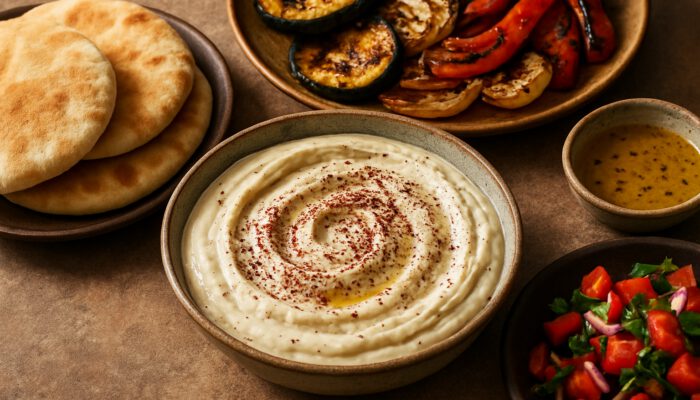
Incorporating sumac into dips and dressings can transform basic ingredients into memorable accompaniments. For instance, adding sumac to tahini-based sauces or yogurt creates a tangy and creamy dip that pairs beautifully with pita bread or fresh vegetables. This layered acidity enhances the overall flavour profile, making it a staple in Middle Eastern cooking.
When preparing dressings, consider blending sumac with lemon juice, olive oil, and garlic for a bright and zesty vinaigrette. This dressing can be liberally drizzled over salads or grilled meats, providing a refreshing contrast that elevates the dish’s overall appeal. The key to effective sauce enhancement is to begin with a small amount of sumac and adjust to taste, ensuring that the spice complements rather than overwhelms other flavours.
How Does Sumac Improve Dish Quality?
Methods for Amplifying Flavours
Sumac acts as a natural flavour enhancer, imparting a distinct tang that can elevate the taste of a variety of dishes. When lightly sprinkled over meals, it functions as a tenderiser, assisting in breaking down proteins and improving texture. This trait is particularly advantageous in marinades, where sumac infuses meats with its unique flavour while enhancing juiciness.
Utilising sumac in sauces and dressings creates a harmonious flavour balance. Its acidity brightens heavier dishes, making them more enjoyable and palatable. By integrating sumac into your culinary practices, you can achieve consistent results with minimal effort, inspiring creativity and experimentation in the kitchen.
Improving Texture with Sumac
Using sumac can create subtle crusts on foods during cooking, enhancing the overall mouthfeel of a dish. This texture enhancement is particularly noticeable when sumac is applied to grilled meats, where it contributes to a satisfying crunch that contrasts with the tenderness of the protein. The visual appeal of a well-seasoned dish is also enhanced, as the reddish-purple hue of sumac adds an attractive element to the plate.
Beyond meats, sumac can also be sprinkled on roasted vegetables, where it helps create a delightful texture contrast. The spice not only contributes flavour but also improves overall presentation, making dishes more visually appealing. This combination of flavour and texture is essential for crafting memorable meals that impress both guests and family.
Unlocking Aroma with Toasted Sumac
Gently toasting sumac before adding it to your dishes can release its fragrant oils, infusing meals with inviting scents during the cooking process. This technique enhances the overall sensory experience, as the aroma of toasted sumac can fill your kitchen, creating an appetising atmosphere. To toast sumac, simply heat it in a dry skillet over medium heat for a few minutes until it becomes aromatic.
This aromatic enhancement can be particularly effective in stews and braises, where complex flavours meld together. By incorporating toasted sumac into your cooking, you elevate not only the taste but also the aroma of your dishes, making them more appealing to the senses. The enticing scent of sumac can entice diners, enriching the overall dining experience.
Enhancing Visual Appeal with Vibrant Colour
Using sumac in appropriate amounts can impart a striking reddish-purple hue to foods, enhancing their visual attractiveness. This vibrant colour amplifies the dish’s appeal and signifies freshness and flavour. When used in salads or as a garnish for grilled meats, sumac can create an eye-catching presentation that captures attention on any dining table.
The visual impact of sumac is especially valuable during family gatherings or special occasions, where the presentation of a dish can elevate the overall dining experience. By thoughtfully incorporating sumac, you can create visually stunning meals that impress guests and elevate your culinary creations. The synergy of flavour and colour makes sumac an invaluable addition to your kitchen.
Proven Health Benefits of Cooking with Sumac in Middle Eastern Dishes
Understanding Nutritional Benefits
Sumac is not just a flavourful spice; it also provides a wealth of nutritional advantages. It is rich in antioxidants, which help combat oxidative stress and support overall health. Regularly incorporating sumac into your meals can contribute to a balanced diet, offering essential nutrients while enhancing flavour.
For instance, adding sumac to dishes like lentil soups or grain salads can elevate their nutritional value while adding a zesty kick. This makes sumac an excellent choice for those seeking to improve their overall health without sacrificing flavour. By integrating sumac into your cooking, you can enjoy both taste and nutrition in every bite.
Promoting Digestive Health with Sumac
Traditionally, sumac has been valued for its role in supporting digestive health, making it a beneficial addition to meals. Its natural properties can aid digestion, providing comfort after eating. Incorporating sumac into teas or meals can help soothe the stomach, making it an ideal choice for individuals with digestive sensitivities.
To maximise the benefits of sumac, consider adding it to post-meal teas or light dishes that are easy to digest. This approach enhances flavour while promoting digestive comfort. By including sumac in your culinary repertoire, you can reap its health benefits alongside its distinctive taste.
What Insights Do Studies Provide About Sumac’s Advantages?
Research indicates that sumac can significantly contribute to flavour enhancement and health benefits. Studies have shown that sumac’s antioxidant properties can support overall wellness and promote a healthy lifestyle. Controlled observations confirm that sumac can enhance the taste of various dishes, establishing it as a valuable ingredient in culinary practices.
These findings underscore the importance of incorporating sumac into everyday cooking. By understanding its benefits, cooks can use sumac not only as a flavour enhancer but also as a means to support health and nutrition. Embracing sumac in your kitchen can lead to more delicious and health-conscious meals.
What Are the Most Effective Methods for Using Sumac in Your Meals?
Creative Breakfast Ideas
Sumac can add a refreshing twist to breakfast dishes, making morning routines more exciting. Sprinkling sumac over scrambled eggs or avocado toast can enhance these simple meals, imparting a zesty flavour that complements the richness of the ingredients. This effortless addition can yield substantial flavour impact.
Another innovative way to incorporate sumac at breakfast is by mixing it into yoghurt bowls. Blending sumac with honey and nuts can create a delightful topping for Greek yogurt, adding both taste and texture. These simple applications of sumac can transform ordinary breakfasts into flavourful experiences, setting a positive tone for the day ahead.
Incorporating Sumac into Main Courses
Integrating sumac into main courses can create depth and complexity in your meals. For example, adding sumac to stews or tagines enhances the overall flavour profile, allowing for versatile adaptations suited to various preferences and dietary needs. Its unique tanginess balances rich ingredients, making it an ideal addition to hearty dishes.
Grilled items also benefit from the addition of sumac. Whether preparing chicken, lamb, or vegetables, a sprinkle of sumac can elevate the dish, providing a delightful contrast to smoky flavours. This versatility makes sumac an essential ingredient for crafting memorable main courses that cater to diverse tastes.
Exploring Innovative Dessert Applications
A light dusting of sumac on fruits or desserts can introduce an unexpected contrast that delights the palate. For instance, sprinkling sumac over fresh berries or a fruit salad can enhance natural sweetness while adding a tangy twist. This creative approach to dessert can elevate simple dishes, making them more intriguing and enjoyable.
Consider using sumac in imaginative dessert recipes, such as pairing it with dark chocolate or incorporating it into fruit compotes. These combinations can create unique flavour profiles that tantalise the senses. By thinking outside the box, you can use sumac to transform ordinary desserts into extraordinary culinary experiences.
Avoiding Common Pitfalls in Sumac Usage
Controlling Sumac Quantities
Using excessive sumac can overpower the flavours of a dish, resulting in an unbalanced taste. To avoid this, it is essential to measure accurately and start with small amounts, gradually adjusting to achieve the desired flavour. Moderation is critical, as even a small amount of sumac can significantly enhance dishes.
When experimenting with sumac, be mindful of its strong acidity and tanginess. This characteristic can overshadow other ingredients if not used carefully. By achieving the right balance, you can ensure that sumac complements rather than dominates the overall flavour profile of your meals.
Timing Your Use of Sumac for Optimal Outcomes
- Adding sumac at the end preserves its bright flavours.
- Incorporating it too early can lead to bitterness.
- Using it in marinades allows for flavour infusion.
- Sprinkling on finished dishes enhances presentation and taste.
Timing is crucial when incorporating sumac into your cooking. Adding it at the right moment can greatly influence the final flavour of your dish. For example, incorporating sumac at the end of cooking preserves its vibrant notes and prevents bitterness from developing. This technique ensures that the unique tanginess of sumac shines through in your meals.
By understanding the best times to add sumac, you can maximise its flavour potential. Using it in marinades allows the spice to infuse into meats, while sprinkling it on finished dishes enhances both taste and presentation. Being mindful of timing can elevate your cooking and create more balanced flavours.
How Can You Rectify Flavour Imbalances?
If a dish becomes overly tart due to excessive sumac, adjusting the flavour balance becomes essential. Adding sweeteners, such as honey or sugar, can help counteract the tartness and restore harmony. Incorporating additional herbs can also create a more balanced flavour profile, ensuring the dish remains enjoyable.
When tasting your dish, consider the overall balance of flavours. If the sumac has overwhelmed the other ingredients, a careful adjustment can bring it back into equilibrium. By experimenting with different modifications, you can learn to create well-balanced meals that showcase the unique qualities of sumac.
Identifying Suitable Substitutes for Sumac
When sumac is unavailable, selecting appropriate substitutes is crucial to maintaining the unique citrusy tartness in your meals. Avoid using substitutes that can disrupt the intended flavour profile. Instead, consider options like lemon zest or a mixture of lemon juice with a hint of paprika, which can replicate the acidity and colour of sumac.
It’s important to recognise that not all substitutes will deliver the same depth of flavour. By choosing suitable alternatives, you can maintain the integrity of your recipes without sacrificing taste. Being aware of these substitution pitfalls can help you achieve the desired results in your cooking.
Addressing Frequently Asked Questions About Sumac
What exactly is sumac and where is it primarily used?
Sumac is a spice derived from the dried and ground berries of the sumac plant. It is commonly used in Middle Eastern cuisine, where it imparts a tangy and lemony flavour to a range of dishes, including salads, meats, and dips.
What is the best way to store sumac to maintain its freshness?
To keep sumac fresh, store it in an airtight container in a cool, dark place. Avoid exposure to light and moisture, as these factors can degrade its flavour over time.
Can sumac be used in vegetarian dishes?
Absolutely, sumac is a versatile spice that works exceptionally well in vegetarian dishes. It enhances salads, roasted vegetables, and grain-based meals, providing a zesty flavour without overwhelming the ingredients.
Is sumac gluten-free?
Yes, sumac is naturally gluten-free, making it a suitable seasoning for individuals with gluten sensitivities. It can be used to flavour a wide range of dishes without concern.
Which flavours complement sumac well?
Sumac pairs well with various flavours, including garlic, olive oil, lemon, and fresh herbs like parsley and mint. These combinations enhance the overall taste of dishes and create a balanced flavour profile.
How can I incorporate sumac into my cooking?
You can integrate sumac into your culinary repertoire by using it in marinades, sprinkling it on salads, or adding it to dips and sauces. Its tangy flavour enhances a broad spectrum of dishes.
Can sumac be used in desserts?
Yes, sumac can be creatively utilised in desserts to provide a unique twist. It works well when sprinkled on fresh fruits or incorporated into chocolate dishes, delivering a surprising contrast to sweetness.
How does sumac contribute to health?
Sumac is rich in antioxidants, which can help combat oxidative stress in the body. It may also support digestive health and offer anti-inflammatory benefits when included in a balanced diet.
What is the best method for using sumac on meats?
The ideal way to use sumac on meats is to rub it onto the protein before grilling or roasting. This enhances flavour and tenderness, creating a delicious crust that complements the meat.
Are there any suitable substitutes for sumac?
If sumac is not available, suitable substitutes include lemon zest, lemon juice mixed with a bit of paprika, or a combination of lime and salt. These alternatives can help replicate the tangy flavour of sumac in recipes.
Join our Facebook community today!
The post Cooking With Sumac in Middle Eastern Dishes: Expert Tips appeared first on Cooking Gods.
The Article Sumac in Middle Eastern Dishes: Expert Cooking Tips Was Found On https://limitsofstrategy.com